
World Coffee Research announced the commercial release of three new arabica varieties this month, representing a decade of breeding work focused on climate resilience without sacrificing cup quality. Having reviewed the technical documentation and spoken with agronomists involved in field trials, I believe these releases mark a genuine advancement for the industry.
The varieties—designated WCR-1, WCR-2, and WCR-3—were developed through traditional crossing techniques, not genetic modification. Parent lines include Ethiopian landraces prized for flavor complexity and Central American cultivars selected for disease resistance. The goal was combining these traits into commercially viable options for producers facing increasing climate pressure.
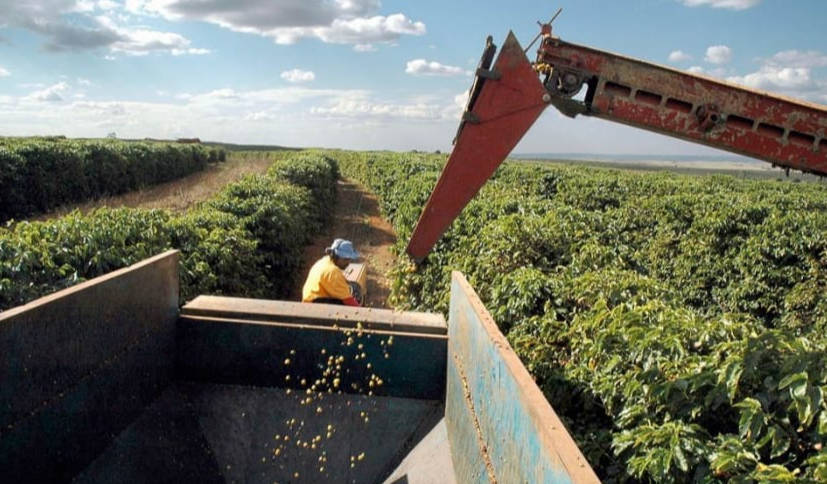
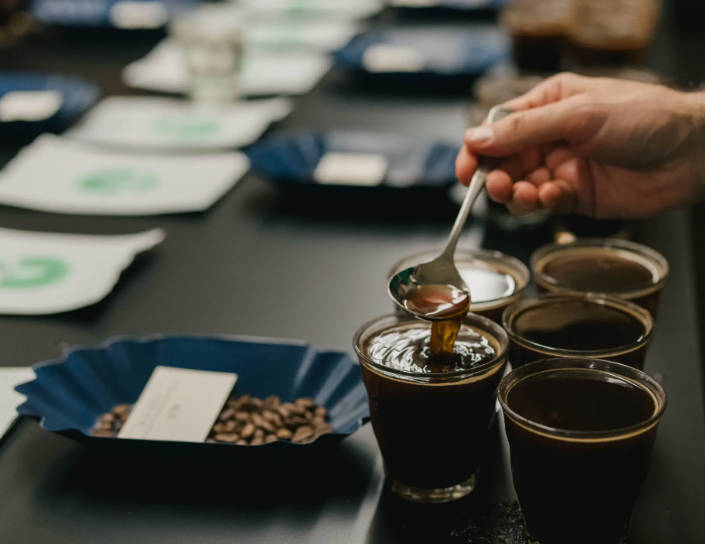
Field trial data from seven countries spanning different growing conditions shows promising results. WCR-1 demonstrated 30% higher yields under drought stress compared to standard Caturra, while maintaining cupping scores averaging 84 points. WCR-2 showed exceptional resistance to coffee leaf rust, reducing fungicide requirements significantly. WCR-3 tolerates temperatures 2-3°C higher than traditional arabica without substantial quality degradation.
The release follows a deliberate strategy of open access. Unlike some hybrid programs controlled by private companies, WCR varieties will be available through national agricultural systems without restrictive licensing. This approach prioritizes accessibility for smallholder farmers who most need adaptation options.
Skepticism remains about whether new varieties can truly replace established cultivars in specialty markets. Some buyers express concern that prioritizing resilience may dilute the distinctive terroir expression that defines exceptional coffees. World Coffee Research counters that without resilient varieties, many producers will have no coffee to sell regardless of flavor potential.
My assessment is that these varieties represent necessary insurance for the specialty sector. They may not produce the most exceptional coffees, but they ensure continuity for producers who would otherwise face existential risk. Climate adaptation and quality pursuit are not opposing goals—they are sequential priorities.

Marcus Chen
Emma Johnson is a coffee expert with years of experience in brewing techniques, coffee culture, and the global coffee industry. She has extensive knowledge of coffee origins, roasting methods, equipment, and preparation practices, and regularly shares insights, guides, and tips to help enthusiasts and beginners enhance their coffee experience.
You Might Also Like
Comments
-
 Reply
ReplyMarcus Chen
Jun 23, 2025, 11:45 am
I’ve been experimenting with different brewing methods for a few months, and this guide really helped me understand the nuances between pour-over and French press. The tips on water temperature and grind size were especially useful. Thanks for sharing such a detailed article!
-
 Reply
ReplyRonda Otoole
Jun 23, 2025, 11:45 am
As a beginner, I often struggle with choosing the right coffee beans. This post broke down the flavor profiles clearly and gave practical advice on selecting beans based on taste preferences. I feel much more confident in my next purchase now.
 Reply
ReplyJames Whitley
Jun 23, 2025, 11:45 am
Loved the section about sustainable coffee practices! It’s great to see articles that not only focus on brewing but also educate readers on ethical sourcing and environmental impact. Definitely inspired me to try beans from local fair-trade roasters.
-
 Reply
ReplyKimberly Chretien
Jun 23, 2025, 11:45 am
I tried some of the latte art tips from this blog, and even though I’m still a beginner, my coffee looks way better now. The step-by-step instructions and real-world examples made it really easy to follow. Can’t wait to try more techniques!
-
 Reply
ReplyMarcus Chen
Jun 23, 2025, 11:45 am
I really appreciate how this post explains coffee concepts in a simple, approachable way. The breakdown of aroma, acidity, and body helped me understand why different coffees taste the way they do. It’s the kind of article I’ll come back to whenever I try a new bean.