

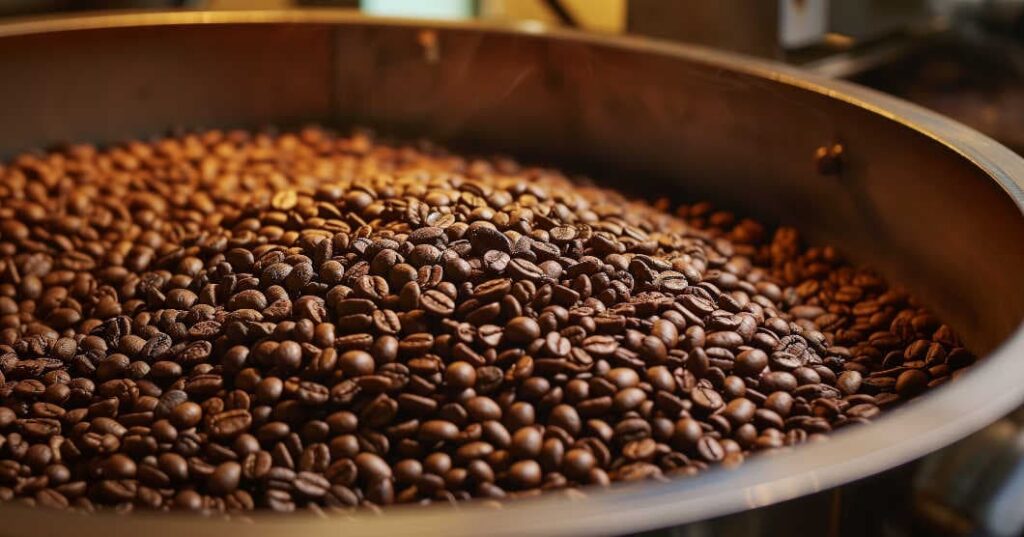
Costa Rica's Ministry of Agriculture announced a phased ban on synthetic pesticides and herbicides in coffee production, making the country the first major origin to commit to fully organic coffee cultivation. The policy, set to complete implementation by 2030, has generated both praise and concern across the global coffee community.
The decision builds on Costa Rica's established reputation for environmental leadership and positions the country to capture premium markets demanding verified sustainable sourcing. Government officials project that organic certification will enable average price premiums of 20-30% for Costa Rican coffees, offsetting potential yield reductions during the transition period.
Producers' associations have expressed mixed reactions. Large estates with existing organic programs welcome the policy as competitive advantage protection. However, smaller conventional farmers worry about transition costs, yield risks during conversion periods, and the technical knowledge required for effective organic pest management. Coffee leaf rust management without fungicides presents particular challenges in humid growing regions.
The government has committed to substantial farmer support, including subsidized organic inputs, technical training, and guaranteed purchase programs during transition years. International development organizations have pledged additional funding, recognizing Costa Rica as a test case for broader organic conversion strategies.
Global buyers are watching closely. Several major specialty roasters have already announced commitments to increase Costa Rican sourcing, viewing the policy as aligned with consumer sustainability expectations. However, some volume buyers express concern about supply reliability during the transition.
My perspective is that Costa Rica's bet is strategically sound but operationally risky. If successful, the country establishes a differentiated market position that other origins cannot easily replicate. If yields collapse or quality suffers, it serves as a cautionary tale. The next five years will determine which narrative prevails.

Sarah Mitchell
Emma Johnson is a coffee expert with years of experience in brewing techniques, coffee culture, and the global coffee industry. She has extensive knowledge of coffee origins, roasting methods, equipment, and preparation practices, and regularly shares insights, guides, and tips to help enthusiasts and beginners enhance their coffee experience.
You Might Also Like
Comments
-
 Reply
ReplySarah Mitchell
Jun 23, 2025, 11:45 am
I’ve been experimenting with different brewing methods for a few months, and this guide really helped me understand the nuances between pour-over and French press. The tips on water temperature and grind size were especially useful. Thanks for sharing such a detailed article!
-
 Reply
ReplyRonda Otoole
Jun 23, 2025, 11:45 am
As a beginner, I often struggle with choosing the right coffee beans. This post broke down the flavor profiles clearly and gave practical advice on selecting beans based on taste preferences. I feel much more confident in my next purchase now.
 Reply
ReplyJames Whitley
Jun 23, 2025, 11:45 am
Loved the section about sustainable coffee practices! It’s great to see articles that not only focus on brewing but also educate readers on ethical sourcing and environmental impact. Definitely inspired me to try beans from local fair-trade roasters.
-
 Reply
ReplyKimberly Chretien
Jun 23, 2025, 11:45 am
I tried some of the latte art tips from this blog, and even though I’m still a beginner, my coffee looks way better now. The step-by-step instructions and real-world examples made it really easy to follow. Can’t wait to try more techniques!
-
 Reply
ReplySarah Mitchell
Jun 23, 2025, 11:45 am
I really appreciate how this post explains coffee concepts in a simple, approachable way. The breakdown of aroma, acidity, and body helped me understand why different coffees taste the way they do. It’s the kind of article I’ll come back to whenever I try a new bean.