

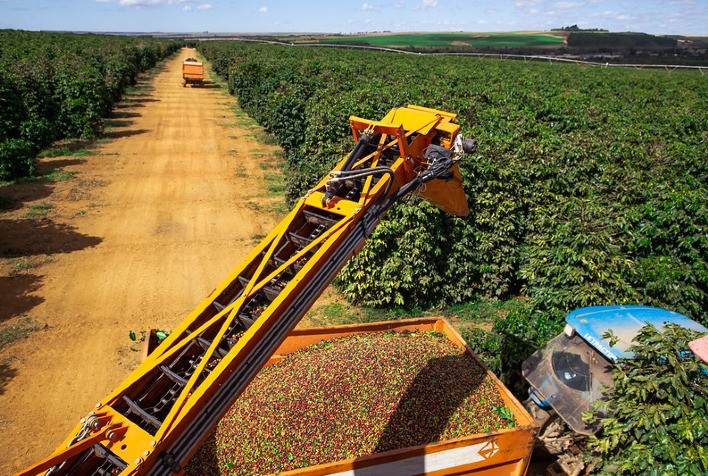
Brazil's 2025 coffee harvest has concluded with results that complicate simple narratives about the country's production trajectory. While arabica output declined for the second consecutive year due to weather-related stress, robusta production reached historic highs—a shift that carries significant implications for global coffee markets.
Arabica production in Minas Gerais, Brazil's dominant producing state, fell approximately 18% compared to the previous on-year cycle. The primary culprit was irregular rainfall during the 2024 flowering period, which reduced cherry set across key growing regions. Some farms reported over 25% yield losses. Quality metrics suggest that surviving cherries achieved adequate density, but overall availability of high-grade Brazilian arabicas has tightened considerably.
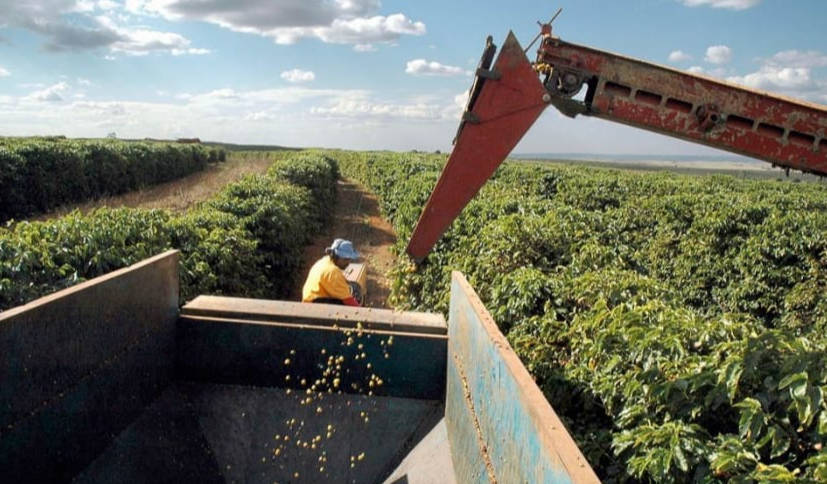
Conellon robusta from Espírito Santo tells a different story. Favorable weather and expanded acreage pushed production to an estimated 22 million bags—a record that positions Brazil as a serious competitor to Vietnam in robusta markets. This output surge has depressed robusta prices globally, creating arbitrage opportunities but also compressing margins for Vietnamese and Indonesian producers.
The arabica-robusta divergence reflects Brazil's agricultural adaptability. As climate volatility increases, some producers are converting arabica acreage to robusta, which tolerates heat and irregular rainfall more effectively. This trend, if it continues, could fundamentally reshape Brazil's flavor profile contribution to global coffee.
For specialty buyers, the implications are mixed. Competition for high-quality Brazilian arabicas has intensified, driving premiums upward. However, the abundance of robusta creates opportunities for espresso blend formulations seeking body and crema at competitive costs.
My view is that Brazil's coffee sector is adapting to new realities faster than many observers anticipated. The country's production flexibility remains its greatest strategic asset in uncertain climate conditions.

Sarah Mitchell
Emma Johnson is a coffee expert with years of experience in brewing techniques, coffee culture, and the global coffee industry. She has extensive knowledge of coffee origins, roasting methods, equipment, and preparation practices, and regularly shares insights, guides, and tips to help enthusiasts and beginners enhance their coffee experience.
You Might Also Like
Comments
-
 Reply
ReplySarah Mitchell
Jun 23, 2025, 11:45 am
I’ve been experimenting with different brewing methods for a few months, and this guide really helped me understand the nuances between pour-over and French press. The tips on water temperature and grind size were especially useful. Thanks for sharing such a detailed article!
-
 Reply
ReplyRonda Otoole
Jun 23, 2025, 11:45 am
As a beginner, I often struggle with choosing the right coffee beans. This post broke down the flavor profiles clearly and gave practical advice on selecting beans based on taste preferences. I feel much more confident in my next purchase now.
 Reply
ReplyJames Whitley
Jun 23, 2025, 11:45 am
Loved the section about sustainable coffee practices! It’s great to see articles that not only focus on brewing but also educate readers on ethical sourcing and environmental impact. Definitely inspired me to try beans from local fair-trade roasters.
-
 Reply
ReplyKimberly Chretien
Jun 23, 2025, 11:45 am
I tried some of the latte art tips from this blog, and even though I’m still a beginner, my coffee looks way better now. The step-by-step instructions and real-world examples made it really easy to follow. Can’t wait to try more techniques!
-
 Reply
ReplySarah Mitchell
Jun 23, 2025, 11:45 am
I really appreciate how this post explains coffee concepts in a simple, approachable way. The breakdown of aroma, acidity, and body helped me understand why different coffees taste the way they do. It’s the kind of article I’ll come back to whenever I try a new bean.