

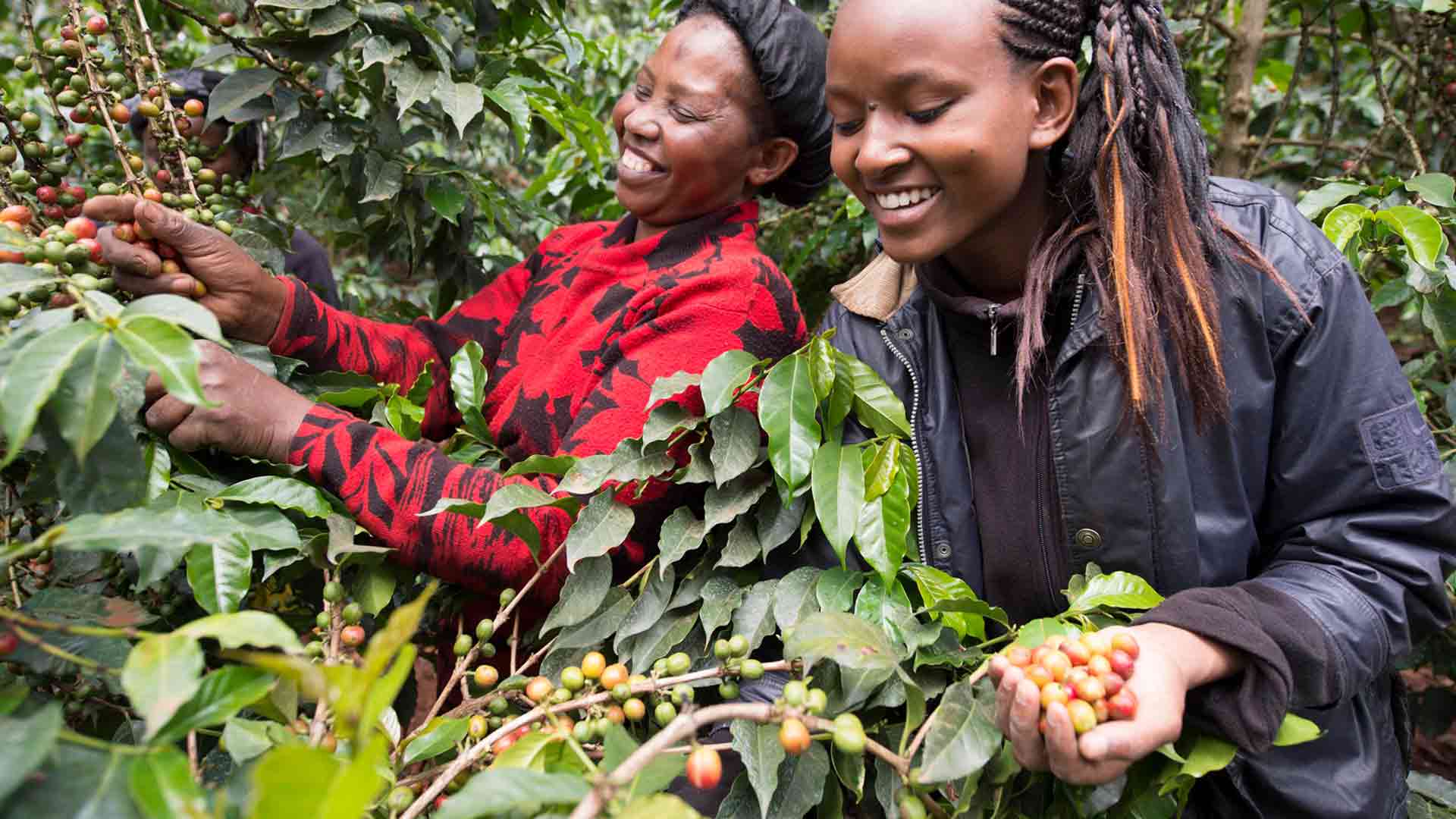
Women perform the majority of labor in global coffee production—by most estimates 70% or more of the work required to grow, harvest, and process coffee. Yet women own less than 20% of coffee farms, receive smaller shares of income from coffee they help produce, and remain underrepresented in leadership positions throughout the supply chain. This disconnect between contribution and recognition represents one of coffee's most significant equity challenges, with implications for both justice and industry sustainability.
Understanding women's roles requires examining the gendered division of labor on coffee farms. Tasks are often divided along traditional gender lines: men tend to handle activities associated with commercial exchange—selling coffee, managing farm business affairs, interacting with buyers—while women perform tasks defined as 'household' work—seedling maintenance, harvesting, sorting, processing—even when these activities occur in commercial production contexts. This categorization renders women's contributions invisible in economic accounting while maintaining their practical indispensability.
The consequences extend beyond symbolic recognition. When coffee income flows to male household heads who control commercial transactions, women's access to farm revenue depends on household power dynamics rather than their labor contributions. Research consistently shows that women's direct access to income produces different household spending patterns, with greater proportions directed toward children's education, healthcare, and nutrition. The gender of income recipients matters for broader development outcomes beyond individual fairness.
Land ownership represents a fundamental barrier. In many coffee-producing countries, customary or legal frameworks make land ownership by women difficult or impossible. Without land ownership, women cannot access formal credit, cannot make autonomous investment decisions about their farms, and remain vulnerable to dispossession through divorce, widowhood, or family conflicts. Even where legal frameworks permit women's land ownership, social norms and administrative barriers often prevent actual registration.
I visited farming communities in Colombia, Uganda, and Rwanda where women's land ownership varies significantly, and the differences in women's circumstances were stark. In communities where women commonly hold land titles, they participated more actively in cooperative governance, invested more in their plots, and reported greater control over household economic decisions. Where women lacked land access, their participation in community coffee activities was often limited to providing labor rather than making decisions.
Cooperative structures can either reinforce or challenge gender inequities. Many cooperatives require land ownership for full membership, effectively excluding women from governance participation and benefit distribution. Some cooperatives have modified membership requirements to enable women's participation, established women's committees to address gender-specific concerns, or created targeted programs supporting women's land access. These institutional changes require deliberate leadership commitment but demonstrate that cooperative models can advance gender equity when designed with that intention.
Certification programs have increasingly incorporated gender provisions. Fair Trade standards now include requirements for non-discrimination and encourage gender-focused premium use. Rainforest Alliance includes gender criteria in farm assessments. These provisions create incentives and accountability mechanisms for addressing gender disparities, though implementation and verification remain challenging. The most effective programs combine certification requirements with technical support helping farms and cooperatives implement gender-responsive practices.
The processing and trading segments of the supply chain present different gender dynamics. Export companies and trading houses are male-dominated at leadership levels, though women have achieved significant positions in several major firms. Women report challenges common to male-dominated industries: networking exclusion, questioning of technical competence, and work-family balance pressures. Recent industry attention to diversity has produced some leadership changes, but structural transformation remains incomplete.
Roasting and retail present the most mixed picture. Women have achieved significant presence in specialty coffee roasting, often founding companies that have become influential within the industry. Barista ranks include substantial women's participation, though competition participation and training opportunities show gender disparities. Retail management and leadership roles remain contested, with progress in some companies and persistent gaps in others.
Several organizations work specifically on gender equity in coffee. The International Women's Coffee Alliance operates chapters in producing and consuming countries, providing networking, mentorship, and advocacy. Coffee Quality Institute's Specialty Coffee Women program supports women's professional development across the value chain. Numerous origin-specific organizations—Association of Women in Coffee in Kenya, Mujeres en Café in Guatemala, many others—address local gender dynamics through context-specific interventions.
The business case for gender equity is increasingly documented. Research shows that farms with greater women's participation achieve higher productivity and quality. Companies with gender-diverse leadership demonstrate stronger financial performance. And consumer research indicates willingness to support women-focused sourcing, creating marketing opportunities for companies credibly demonstrating gender commitments.
However, instrumental justifications should not obscure the fundamental justice argument. Women's undercompensated labor subsidizes the coffee industry's profits. Women's exclusion from decision-making limits their agency over their own lives and work. These conditions are wrong regardless of business case considerations, requiring correction as a matter of basic equity.
The path forward involves multiple interventions across different timeframes. Near-term actions include modifying cooperative membership requirements, ensuring women's access to training and extension services, and targeting premium distributions toward women's priorities. Medium-term efforts involve land titling programs, financial inclusion initiatives, and leadership development programs building women's capacity for governance roles. Long-term transformation requires changing social norms around gender roles, economic activity, and decision-making—work that extends beyond any single industry.
My observation after engaging with gender issues in coffee for many years is that progress is occurring but remains far short of what equity demands. The women leading change—in farming communities, in cooperatives, in companies across the supply chain—demonstrate that transformation is possible when committed individuals and organizations prioritize it. Whether the broader industry will match their commitment remains an open question.

Isabella Romano
Emma Johnson is a coffee expert with years of experience in brewing techniques, coffee culture, and the global coffee industry. She has extensive knowledge of coffee origins, roasting methods, equipment, and preparation practices, and regularly shares insights, guides, and tips to help enthusiasts and beginners enhance their coffee experience.
You Might Also Like
Comments
-
 Reply
ReplyIsabella Romano
Jun 23, 2025, 11:45 am
I’ve been experimenting with different brewing methods for a few months, and this guide really helped me understand the nuances between pour-over and French press. The tips on water temperature and grind size were especially useful. Thanks for sharing such a detailed article!
-
 Reply
ReplyRonda Otoole
Jun 23, 2025, 11:45 am
As a beginner, I often struggle with choosing the right coffee beans. This post broke down the flavor profiles clearly and gave practical advice on selecting beans based on taste preferences. I feel much more confident in my next purchase now.
 Reply
ReplyJames Whitley
Jun 23, 2025, 11:45 am
Loved the section about sustainable coffee practices! It’s great to see articles that not only focus on brewing but also educate readers on ethical sourcing and environmental impact. Definitely inspired me to try beans from local fair-trade roasters.
-
 Reply
ReplyKimberly Chretien
Jun 23, 2025, 11:45 am
I tried some of the latte art tips from this blog, and even though I’m still a beginner, my coffee looks way better now. The step-by-step instructions and real-world examples made it really easy to follow. Can’t wait to try more techniques!
-
 Reply
ReplyIsabella Romano
Jun 23, 2025, 11:45 am
I really appreciate how this post explains coffee concepts in a simple, approachable way. The breakdown of aroma, acidity, and body helped me understand why different coffees taste the way they do. It’s the kind of article I’ll come back to whenever I try a new bean.