

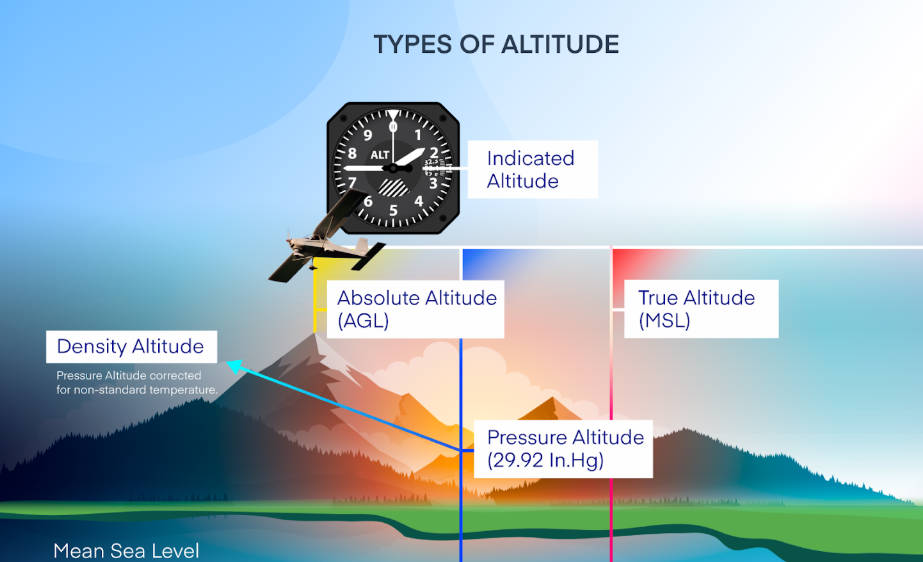
Altitude has become one of specialty coffee's most prominent quality proxies. Higher elevation features prominently in marketing, commands price premiums, and shapes consumer expectations. The underlying logic seems sound: cooler temperatures at elevation slow cherry maturation, allowing more complex sugar and acid development; reduced oxygen levels may stress plants in ways that concentrate desirable compounds; and certain pest and disease pressures decrease at altitude. Yet after years of cupping across elevation ranges and visiting farms at varied altitudes, I have concluded that the industry's altitude fixation significantly oversimplifies the relationship between elevation and quality.
The correlation between altitude and quality is real but far from deterministic. I have cupped exceptional coffees from elevations below 1,200 meters and disappointing coffees from farms above 2,000 meters. The variation within any elevation band exceeds the variation between elevation bands. Treating altitude as a reliable quality predictor leads to purchasing errors and misallocated premiums.
The mechanisms through which altitude influences coffee are mediated by numerous other factors that can either amplify or counteract elevation effects. Temperature matters more directly than elevation itself—altitude influences temperature, but latitude, aspect, and local climate patterns also shape thermal conditions. A farm at 1,400 meters near the equator may experience warmer conditions than a farm at 1,200 meters at higher latitude. Evaluating temperature regime directly would provide better quality prediction than using altitude as a proxy.
Soil composition and fertility often matter more than elevation for practical quality outcomes. I have visited high-altitude farms with depleted, acidic soils that struggled to produce quality despite their elevation advantages, and mid-altitude farms with rich, well-managed soils that produced exceptional cups. Agricultural practice—fertilization, shade management, pruning discipline—can compensate for suboptimal elevation or squander elevation advantages.
Varietal suitability interacts with altitude in complex ways. Some coffee varieties perform optimally at specific elevation ranges and decline outside those ranges in either direction. A variety planted above its optimal altitude may struggle with cold stress and produce thin, underdeveloped cups despite the elevation premium its marketing claims. Matching varietal genetics to site conditions matters more than maximizing altitude.
Microclimate variation can overwhelm elevation effects. A high-altitude farm with poor air drainage may experience frost damage and fog conditions that harm quality; a lower farm with excellent exposure and air flow may produce superior results. The mountain geography that creates high-altitude coffee land also creates microclimates that vary dramatically over short distances. Generalizing from elevation ignores this variation.
Harvest and processing discipline influence cup quality at least as much as elevation. A high-altitude farm with sloppy picking—mixing ripe, under-ripe, and over-ripe cherries—will produce inferior coffee compared to a mid-altitude farm with rigorous selective harvesting. Processing failures can destroy quality that excellent growing conditions created. The elevation advantage exists only if post-harvest practices preserve it.
The economic dynamics of altitude create their own complications. High-altitude farms face higher production costs due to steeper terrain, more difficult access, longer maturation periods that reduce annual yields, and increased labor requirements for harvesting on challenging slopes. These costs must be recovered through higher prices, which may or may not reflect proportional quality advantages. Consumers paying altitude premiums may receive quality increments smaller than the price increments they fund.
I have observed mid-altitude farms that invest in soil improvement, varietal selection, and processing infrastructure outperform high-altitude farms that rely on elevation alone. The investment orientation matters; elevation without investment produces potential that remains unrealized. This suggests that buyer attention should focus on farm management quality rather than elevation numbers.
The specialty coffee market's altitude emphasis has created perverse incentives. Producers who could optimize quality at mid-altitudes instead plant at higher elevations to access premiums, sometimes in conditions where coffee struggles. Land clearing for high-altitude coffee expansion contributes to deforestation in mountain ecosystems. The assumption that higher is better drives agricultural decisions that may not serve quality, sustainability, or producer welfare.
From a consumer perspective, I recommend treating altitude information as context rather than quality assurance. Knowing that a coffee grew at 1,800 meters tells you something about probable growing conditions but does not guarantee quality. Cupping score, sensory description, and roaster reputation provide more reliable quality guidance than elevation numbers. If two coffees with similar descriptions and scores differ in price primarily due to altitude difference, the lower-altitude option may offer better value.
For purchasing professionals, I suggest evaluating altitude in context rather than as an independent criterion. Ask whether the elevation suits the varietal, whether the farm's other practices support quality, and whether the altitude premium reflects actual cup quality differences. Build relationships with producers who demonstrate holistic quality commitment rather than chasing elevation numbers.
My conclusion is that altitude belongs in the conversation about single origin quality but should not dominate it. The factors that produce exceptional coffee—appropriate variety, healthy soil, skilled farming, careful harvesting, precise processing, thoughtful roasting—matter more than elevation alone. High-altitude coffee can be extraordinary when these factors align; it can be disappointing when they do not. Understanding altitude as one variable among many enables more sophisticated quality assessment than the simplistic 'higher is better' framework that currently dominates market discourse.
The path forward involves developing more nuanced quality communication that incorporates altitude alongside other relevant factors. Rather than using elevation as a headline marketing claim, producers and roasters might describe the full context—elevation, temperature range, soil type, varietal, processing—that shapes a specific coffee's character. This richer information serves consumers better than single-variable proxies, however convenient those proxies may be.

Daniel Carter
Emma Johnson is a coffee expert with years of experience in brewing techniques, coffee culture, and the global coffee industry. She has extensive knowledge of coffee origins, roasting methods, equipment, and preparation practices, and regularly shares insights, guides, and tips to help enthusiasts and beginners enhance their coffee experience.
You Might Also Like
Comments
-
 Reply
ReplyDaniel Carter
Jun 23, 2025, 11:45 am
I’ve been experimenting with different brewing methods for a few months, and this guide really helped me understand the nuances between pour-over and French press. The tips on water temperature and grind size were especially useful. Thanks for sharing such a detailed article!
-
 Reply
ReplyRonda Otoole
Jun 23, 2025, 11:45 am
As a beginner, I often struggle with choosing the right coffee beans. This post broke down the flavor profiles clearly and gave practical advice on selecting beans based on taste preferences. I feel much more confident in my next purchase now.
 Reply
ReplyJames Whitley
Jun 23, 2025, 11:45 am
Loved the section about sustainable coffee practices! It’s great to see articles that not only focus on brewing but also educate readers on ethical sourcing and environmental impact. Definitely inspired me to try beans from local fair-trade roasters.
-
 Reply
ReplyKimberly Chretien
Jun 23, 2025, 11:45 am
I tried some of the latte art tips from this blog, and even though I’m still a beginner, my coffee looks way better now. The step-by-step instructions and real-world examples made it really easy to follow. Can’t wait to try more techniques!
-
 Reply
ReplyDaniel Carter
Jun 23, 2025, 11:45 am
I really appreciate how this post explains coffee concepts in a simple, approachable way. The breakdown of aroma, acidity, and body helped me understand why different coffees taste the way they do. It’s the kind of article I’ll come back to whenever I try a new bean.