

Washed, Natural, or Honey: Processing Methods in Single Origin Coffee
April 23, 2025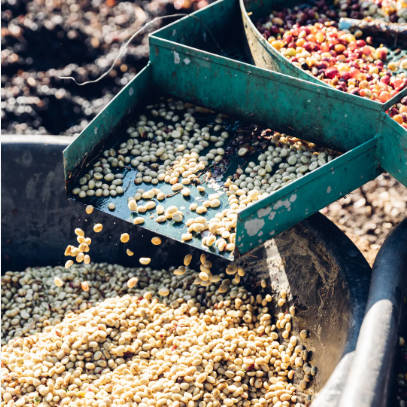
Over the past decade, I have evaluated thousands of washed, natural, and honey-processed coffees in professional cupping labs and at origin. Processing is one of the most misunderstood yet influential factors in single origin coffee quality. This article breaks down how each method works, why producers choose them, and how they shape the final cup.
Washed processing emphasizes clarity and acidity. By removing fruit before drying, this method allows terroir-driven characteristics to dominate. In my experience sourcing coffees from Central America, washed lots provide the most consistent expression of varietal and altitude. They are also more forgiving during roasting, making them a staple for specialty roasters.
Natural processing introduces complexity and risk. Drying the coffee cherry intact amplifies fruit-driven flavors, but requires precise environmental control. I have witnessed both exceptional success and catastrophic failure with naturals, often determined by weather conditions and infrastructure. When executed well, naturals offer unmatched sweetness and aromatic depth.
Honey processing occupies a strategic middle ground. By retaining some mucilage during drying, producers can modulate sweetness and body while maintaining structural balance. From a buyer’s perspective, honey coffees represent innovation rooted in practicality, especially in regions facing water scarcity.
Analyzing these methods side by side reveals a critical insight: processing is not about trend-following, but about alignment with local conditions and market goals. Producers who understand this create more reliable, higher-quality single origin coffees.
My professional assessment is that educated consumers should evaluate processing as context, not novelty. Understanding why a coffee was processed a certain way builds trust and appreciation far beyond flavor descriptors alone.

Daniel Carter
Emma Johnson is a coffee expert with years of experience in brewing techniques, coffee culture, and the global coffee industry. She has extensive knowledge of coffee origins, roasting methods, equipment, and preparation practices, and regularly shares insights, guides, and tips to help enthusiasts and beginners enhance their coffee experience.
You Might Also Like
Comments
-
 Reply
ReplyDaniel Carter
Jun 23, 2025, 11:45 am
I’ve been experimenting with different brewing methods for a few months, and this guide really helped me understand the nuances between pour-over and French press. The tips on water temperature and grind size were especially useful. Thanks for sharing such a detailed article!
-
 Reply
ReplyRonda Otoole
Jun 23, 2025, 11:45 am
As a beginner, I often struggle with choosing the right coffee beans. This post broke down the flavor profiles clearly and gave practical advice on selecting beans based on taste preferences. I feel much more confident in my next purchase now.
 Reply
ReplyJames Whitley
Jun 23, 2025, 11:45 am
Loved the section about sustainable coffee practices! It’s great to see articles that not only focus on brewing but also educate readers on ethical sourcing and environmental impact. Definitely inspired me to try beans from local fair-trade roasters.
-
 Reply
ReplyKimberly Chretien
Jun 23, 2025, 11:45 am
I tried some of the latte art tips from this blog, and even though I’m still a beginner, my coffee looks way better now. The step-by-step instructions and real-world examples made it really easy to follow. Can’t wait to try more techniques!
-
 Reply
ReplyDaniel Carter
Jun 23, 2025, 11:45 am
I really appreciate how this post explains coffee concepts in a simple, approachable way. The breakdown of aroma, acidity, and body helped me understand why different coffees taste the way they do. It’s the kind of article I’ll come back to whenever I try a new bean.