

Tokyo's Third Wave: Precision, Aesthetics, and the Japanese Coffee Philosophy
November 20, 2025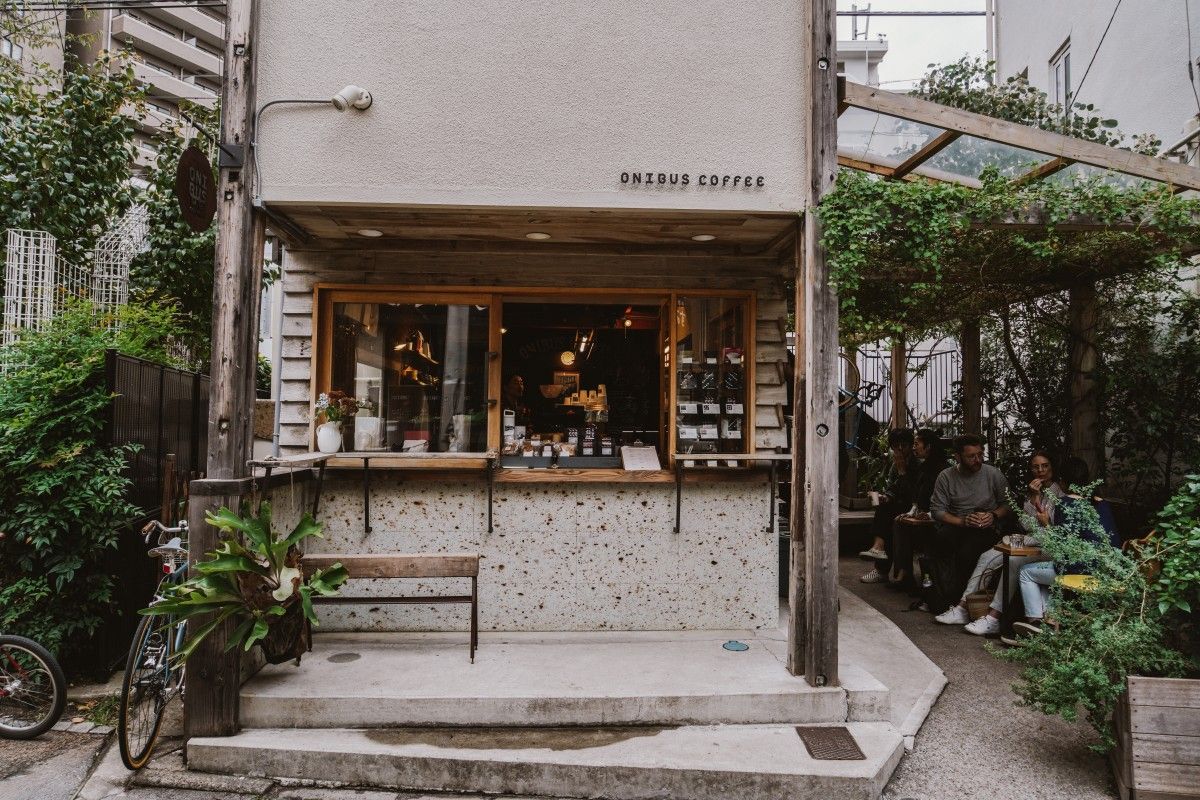
Japan's coffee culture predates the specialty movement by decades, yet it has seamlessly integrated contemporary practices while maintaining distinctly Japanese characteristics. Visiting kissaten (traditional coffee houses), pour-over specialty shops, and everything between, I have observed a coffee philosophy that prioritizes precision, consistency, and quiet excellence over novelty or spectacle.
The kissaten tradition established Japan's coffee foundation. These establishments, flourishing from the 1950s onward, treated coffee preparation as craft requiring years of dedicated practice. Proprietors often spent decades perfecting single techniques—the nel drip method, particular roast profiles, specific water temperatures. This approach produced remarkable consistency but also institutional conservatism that initially resisted specialty coffee's lighter roasts and origin transparency.
Modern Japanese specialty coffee represents synthesis rather than rejection of this heritage. Shops like Fuglen, Onibus, and Glitch Coffee brought Scandinavian and Australian influences to Tokyo, but successful operators adapted these influences to Japanese sensibilities. Smaller portions, more delicate balances, heightened attention to presentation, and service that anticipates rather than interacts—these modifications reflect cultural values around hospitality and aesthetic experience.
The physical environment of Japanese coffee shops warrants analysis. Space constraints have driven design innovation, with micro-roasteries and standing bars achieving remarkable functionality in minimal footprints. The aesthetic principle of 'ma' (negative space) influences even crowded urban shops, creating psychological calm through careful material selection and visual restraint. This integration of design thinking with coffee service has influenced specialty café aesthetics globally.
Japanese equipment innovation has shaped global coffee practice. The Hario V60, Kalita Wave, and various brewing accessories emerged from Japanese manufacturers and have become industry standards. This engineering excellence reflects broader cultural strengths in refinement and precision manufacturing. The equipment designs often embody aesthetic principles alongside functional requirements—beauty and utility integrated rather than separated.
Service culture in Japanese coffee shops differs fundamentally from Western models. The concept of 'omotenashi'—anticipatory hospitality—means that staff attend to guest needs before requests are made. Water appears without asking. Uncomfortable seating positions are noticed and accommodated. The goal is guest comfort without requiring guest effort. This approach creates experiences of being cared for rather than merely served.
The sensory culture also differs. Japanese coffee consumers often demonstrate sophisticated palate development, able to articulate subtle distinctions that casual consumers miss. This sophistication reflects both cultural attention to aesthetic experience and the educational infrastructure supporting it. Coffee magazines, tasting events, and training programs provide opportunities for consumer development unusual in other markets.
My assessment is that Japanese coffee culture offers a model for quality without arrogance. The best Japanese shops pursue excellence quietly, letting the work speak rather than the narrative. In an industry increasingly dominated by storytelling and personality, this humility is instructive. The coffee speaks for itself when prepared with sufficient care—narrative becomes unnecessary when execution is excellent.
The integration of tradition and innovation in Japanese coffee culture provides a template for other countries navigating similar tensions. Japan demonstrates that contemporary specialty practices can coexist with heritage traditions, that global influences can be adapted rather than adopted wholesale, and that local values can shape how international movements manifest locally.
For global specialty coffee, Japan offers both specific techniques and broader philosophical orientation. The techniques—precision brewing, equipment design, service standards—have already spread widely. The philosophy—patient mastery, quiet excellence, integration of aesthetic and functional concerns—may prove equally valuable as specialty coffee matures beyond its current emphasis on novelty and narrative.

Marcus Chen
Emma Johnson is a coffee expert with years of experience in brewing techniques, coffee culture, and the global coffee industry. She has extensive knowledge of coffee origins, roasting methods, equipment, and preparation practices, and regularly shares insights, guides, and tips to help enthusiasts and beginners enhance their coffee experience.
You Might Also Like

Comments
-
 Reply
ReplyMarcus Chen
Jun 23, 2025, 11:45 am
I’ve been experimenting with different brewing methods for a few months, and this guide really helped me understand the nuances between pour-over and French press. The tips on water temperature and grind size were especially useful. Thanks for sharing such a detailed article!
-
 Reply
ReplyRonda Otoole
Jun 23, 2025, 11:45 am
As a beginner, I often struggle with choosing the right coffee beans. This post broke down the flavor profiles clearly and gave practical advice on selecting beans based on taste preferences. I feel much more confident in my next purchase now.
 Reply
ReplyJames Whitley
Jun 23, 2025, 11:45 am
Loved the section about sustainable coffee practices! It’s great to see articles that not only focus on brewing but also educate readers on ethical sourcing and environmental impact. Definitely inspired me to try beans from local fair-trade roasters.
-
 Reply
ReplyKimberly Chretien
Jun 23, 2025, 11:45 am
I tried some of the latte art tips from this blog, and even though I’m still a beginner, my coffee looks way better now. The step-by-step instructions and real-world examples made it really easy to follow. Can’t wait to try more techniques!
-
 Reply
ReplyMarcus Chen
Jun 23, 2025, 11:45 am
I really appreciate how this post explains coffee concepts in a simple, approachable way. The breakdown of aroma, acidity, and body helped me understand why different coffees taste the way they do. It’s the kind of article I’ll come back to whenever I try a new bean.