

Coffee brewing appears simple: hot water passes through ground coffee, dissolving compounds that create the beverage we enjoy. Yet this apparent simplicity conceals remarkable complexity. The extraction process involves hundreds of chemical compounds, physical interactions at multiple scales, and parameters that can be adjusted in countless combinations. Understanding the science of extraction enables both better brewing and deeper appreciation of why coffee tastes the way it does.
The coffee bean contains approximately 2,000 identified chemical compounds, of which roughly 1,000-1,100 contribute to aroma and flavor. These compounds exist in different physical states and locations within the bean structure—some dissolved in the cellular matrix, others bound to cell walls, still others trapped in structural micropores. Extraction involves different mechanisms accessing these compounds at different rates, creating the dynamic process that determines final cup character.
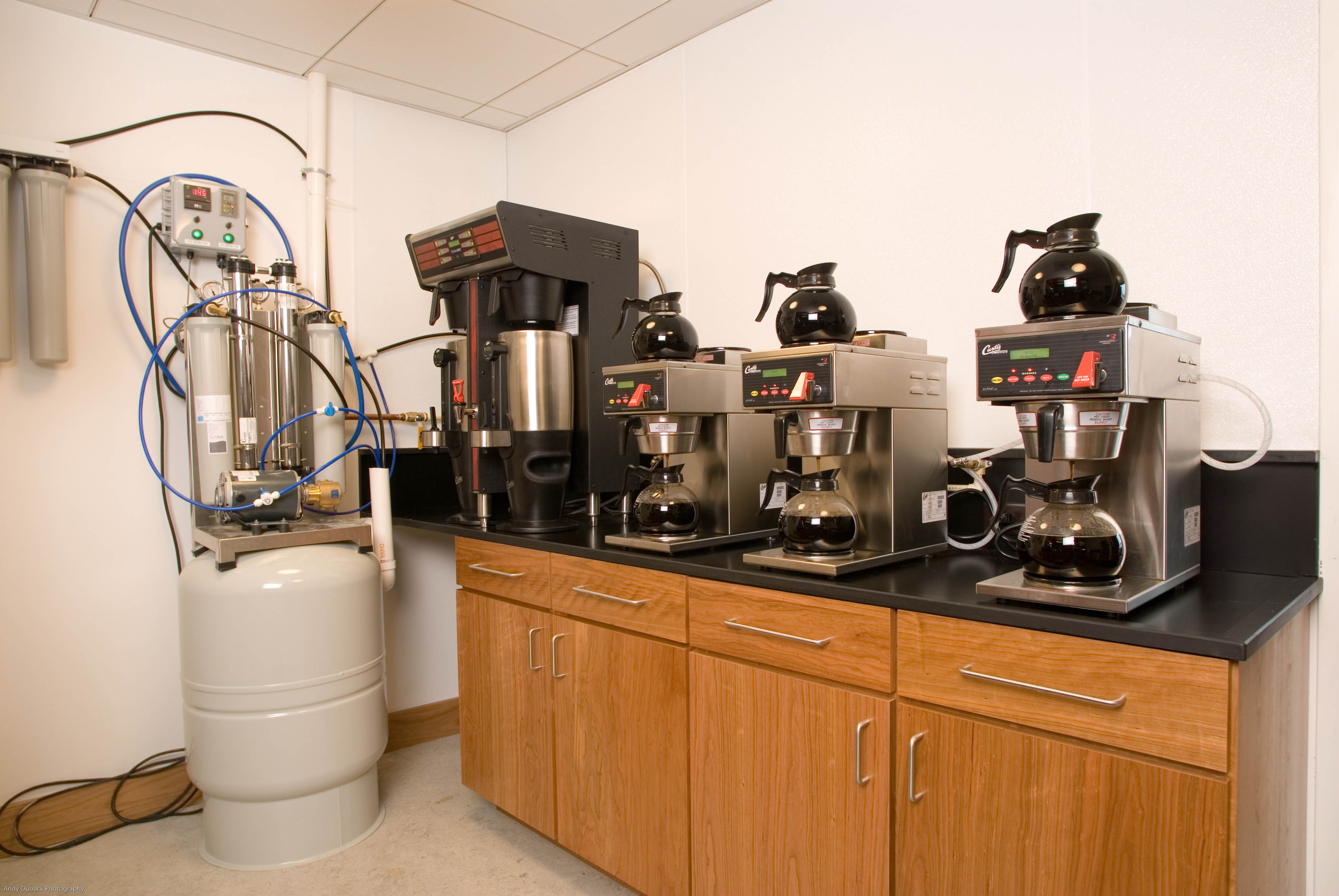
Water serves as the extraction solvent, and its properties profoundly affect outcomes. Pure H2O is actually a poor coffee solvent; the minerals in typical drinking water—calcium, magnesium, bicarbonate—enhance extraction by interacting with coffee compounds. The Specialty Coffee Association's water quality standards specify optimal mineral ranges precisely because too little mineral content produces thin, underextracted coffee while excessive minerals can create harsh, overextracted results.
Temperature governs extraction kinetics through fundamental chemical principles. Higher temperatures increase molecular motion, accelerating dissolution of soluble compounds and diffusion through cellular structures. The conventional brewing temperature range of 90-96°C represents a sweet spot where extraction proceeds quickly enough for practical brewing while remaining cool enough to avoid excessive degradation of volatile aromatics. Cold brew extraction works by compensating for reduced kinetics with dramatically extended time.
Grind size determines the surface area available for extraction and the diffusion distances solvent must travel to access interior compounds. Finer grinds present more surface area and shorter diffusion paths, accelerating extraction. However, extremely fine grinds can create channeling problems in percolation brewing and extract excessive bitter compounds from cell wall materials. The optimal grind varies by brewing method and coffee characteristics, requiring calibration rather than universal prescription.
The extraction timeline reveals the sequential solubility of different compound classes. Acids and light flavor compounds extract first, typically within the first minute of brewing. Sugars and flavor-developing compounds follow. Finally, bitter compounds and astringent materials extract, particularly from cell wall structures that release slowly. This sequence explains why short extractions tend toward sour profiles while extended extractions become bitter—different compounds dominate at different extraction stages.
Extraction yield, typically measured as total dissolved solids (TDS) and extraction percentage, provides objective metrics for brewing optimization. The SCA identifies 18-22% extraction as the target range where balanced flavor profiles typically emerge. Underextraction (below 18%) leaves desirable compounds in the grounds while overextraction (above 22%) dissolves excessive bitter and astringent materials. These targets provide useful starting points while recognizing that different coffees and preferences may warrant deviation.
Roast development significantly affects extraction dynamics. Lighter roasts retain more soluble material but maintain more intact cellular structure, requiring more aggressive extraction parameters. Darker roasts have reduced soluble content but more porous structure enabling easier extraction. This interaction between roast and brewing parameters explains why optimal brewing recipes vary significantly between light and dark roasted coffees.
Turbulence and agitation during brewing affect extraction through physical mechanisms distinct from chemical kinetics. Agitation refreshes the solvent layer adjacent to particle surfaces, preventing saturation that would slow diffusion. Different brewing methods incorporate agitation differently—espresso relies on pressure-driven flow, pour-over uses pouring technique, immersion methods may include stirring or swirling. Understanding these physical dynamics enables brewers to manipulate extraction beyond simply adjusting time and temperature.
Pressure, relevant primarily to espresso and related methods, introduces additional extraction mechanisms. Pressurized water penetrates cellular structures more thoroughly than gravity-fed brewing, accessing compounds that remain trapped in atmospheric-pressure methods. Pressure also enables extraction of oils and emulsified compounds that create espresso's characteristic body and crema. The 9-bar standard for espresso represents an empirically optimized pressure where extraction proceeds efficiently without excessive bitter compound extraction.
Filtration affects what reaches the final cup. Paper filters remove oils and fine particles, creating clean cups with prominent acidity and distinct flavor notes. Metal filters allow oils and some particles through, producing heavier body and different flavor balance. Neither approach is inherently superior; the choice depends on desired cup characteristics and the coffee being brewed.
Recent research has expanded scientific understanding of extraction variability. Studies using mass spectrometry and chromatography have mapped how specific compounds extract under different conditions, enabling more precise recipe optimization. Research into grinding variability has quantified how particle size distribution affects extraction homogeneity. Water chemistry studies have identified specific mineral interactions that enhance particular flavor characteristics.
The practical application of extraction science involves balancing multiple parameters to achieve desired outcomes. A structured approach might begin with standard parameters—the SCA's brewing fundamentals provide useful starting points—then systematically adjust individual variables while observing flavor effects. Documenting results enables pattern recognition and recipe refinement over time.
For professionals, extraction science provides vocabulary and frameworks for discussing brewing choices and training staff. Understanding why certain parameters produce certain outcomes enables diagnosis when results fall short and confident adjustment toward improvement. For enthusiasts, the science enriches appreciation of what happens during brewing and empowers experimentation with greater likelihood of success.
My perspective after years of studying extraction is that science informs but cannot replace sensory judgment. The ultimate measure of extraction success is whether the coffee tastes good to those drinking it. Scientific understanding provides tools for pursuing that goal more efficiently, but the goal itself remains experiential rather than chemical. The best brewers integrate scientific knowledge with sensory acuity, using both to create exceptional coffee.

Marcus Chen
Emma Johnson is a coffee expert with years of experience in brewing techniques, coffee culture, and the global coffee industry. She has extensive knowledge of coffee origins, roasting methods, equipment, and preparation practices, and regularly shares insights, guides, and tips to help enthusiasts and beginners enhance their coffee experience.
You Might Also Like
Comments
-
 Reply
ReplyMarcus Chen
Jun 23, 2025, 11:45 am
I’ve been experimenting with different brewing methods for a few months, and this guide really helped me understand the nuances between pour-over and French press. The tips on water temperature and grind size were especially useful. Thanks for sharing such a detailed article!
-
 Reply
ReplyRonda Otoole
Jun 23, 2025, 11:45 am
As a beginner, I often struggle with choosing the right coffee beans. This post broke down the flavor profiles clearly and gave practical advice on selecting beans based on taste preferences. I feel much more confident in my next purchase now.
 Reply
ReplyJames Whitley
Jun 23, 2025, 11:45 am
Loved the section about sustainable coffee practices! It’s great to see articles that not only focus on brewing but also educate readers on ethical sourcing and environmental impact. Definitely inspired me to try beans from local fair-trade roasters.
-
 Reply
ReplyKimberly Chretien
Jun 23, 2025, 11:45 am
I tried some of the latte art tips from this blog, and even though I’m still a beginner, my coffee looks way better now. The step-by-step instructions and real-world examples made it really easy to follow. Can’t wait to try more techniques!
-
 Reply
ReplyMarcus Chen
Jun 23, 2025, 11:45 am
I really appreciate how this post explains coffee concepts in a simple, approachable way. The breakdown of aroma, acidity, and body helped me understand why different coffees taste the way they do. It’s the kind of article I’ll come back to whenever I try a new bean.