

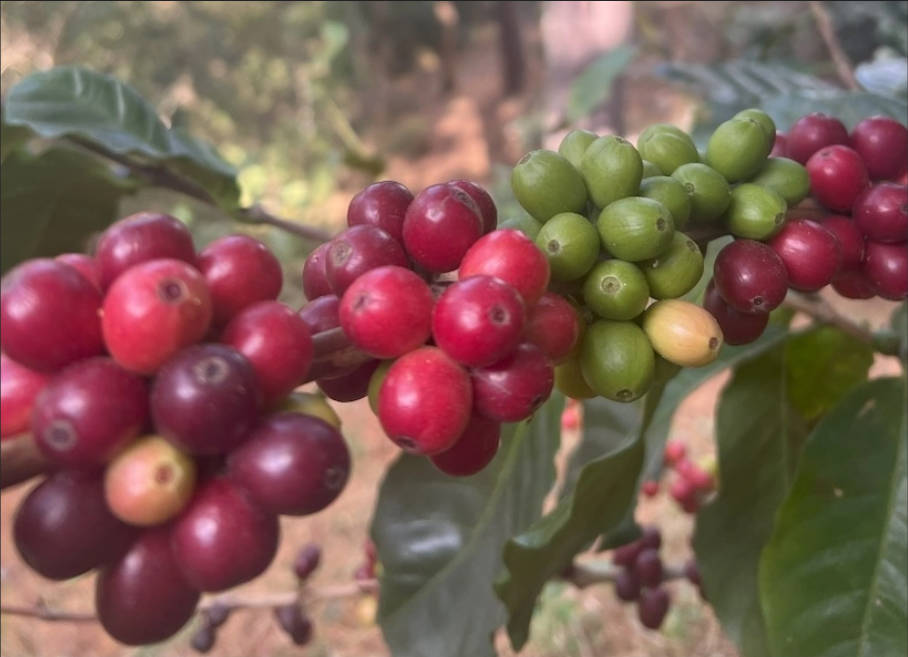
Coffee variety—the genetic lineage of the plants producing a specific coffee—has emerged as a major factor in single origin marketing, with certain varieties commanding significant premiums and generating intense market interest. Having worked directly with producers evaluating variety selection, cupped extensively across varietal categories, and observed how variety marketing shapes consumer perception, I have developed a nuanced perspective on what variety actually contributes to coffee quality and how variety considerations should inform sourcing and purchasing decisions.
The fundamental role of variety in coffee flavor is genuine but frequently overstated. Different coffee varieties do produce distinct sensory characteristics when grown under similar conditions—this is empirically demonstrable through controlled varietal comparison trials. Gesha, for example, consistently produces aromatic profiles (jasmine, bergamot, tropical fruit) distinct from traditional varieties when grown at appropriate altitudes. Bourbon tends toward sweetness and balance; Typica toward clarity and brightness; SL28 toward complex fruit and wine-like acidity.
However, variety is one factor among many affecting final cup quality. Processing method, terroir (climate, altitude, soil), agricultural practice, and roasting all significantly influence sensory outcomes. I have cupped exceptional coffees from varieties considered ordinary and disappointing coffees from varieties considered elite. Variety provides genetic potential that may or may not be realized depending on how other factors align.
The market's current obsession with specific varieties—particularly Gesha, which commands prices ten to fifty times higher than commodity coffee—reflects genuine quality distinctions but also market dynamics that may not always serve producers or consumers well. The Gesha premium creates powerful incentives for farmers to plant this variety, sometimes in conditions unsuited to its requirements or at the expense of varieties better adapted to their specific farms.
I have witnessed this dynamic firsthand. In Colombia, I visited farms where producers had replaced productive, well-adapted traditional varieties with Gesha hoping to access premium markets. In several cases, the Gesha performed poorly in their specific microclimates—the plants stressed, yields plummeted, and the resulting cups failed to achieve the quality that would justify premium prices. These farmers found themselves worse off than before the variety change, having incurred planting costs and foregone years of production from removed trees.
The cautionary lesson is that variety selection should be guided by agronomic assessment of local conditions, not market fashion. Varieties that perform exceptionally in Panama's Boquete region may struggle in different altitudes, rainfall patterns, or soil types. Experienced agricultural advisors evaluate site-specific conditions before recommending variety changes; producers acting on market signals without agronomic guidance risk significant losses.
From a sensory standpoint, variety influence varies substantially depending on other factors. In my cupping experience, variety effects are most pronounced when terroir and processing are controlled—comparing different varieties from the same farm, processed identically, reveals clear varietal signatures. However, when comparing coffees from different farms, different altitudes, different processing methods, the variety effect often becomes subordinate to these other variables. Processing method frequently produces larger sensory differences than variety.
This observation has implications for how consumers should interpret variety information on single origin coffee. Knowing that a coffee is Gesha tells you something about its genetic potential but does not guarantee the premium quality often associated with the variety. Site suitability, farming practice, processing execution, and roasting all determine whether that potential is realized. Variety-based purchasing—selecting coffees primarily based on varietal designation—may lead to disappointment when the variety label promises more than the specific lot delivers.
Market perception often diverges from sensory reality in variety evaluation. The Gesha reputation, established through competition successes and exceptional Panama lots, creates expectations that extend to any coffee carrying the variety name. I have cupped Gesha coffees from various origins that ranged from truly exceptional to entirely unremarkable—yet all commanded prices reflecting the variety's reputation rather than their individual quality. Consumer education should emphasize that variety is not a quality certification; specific lots must be evaluated on their merits.
Some varieties have earned reputations based on reputation rather than consistent sensory distinction. Pacamara, for instance, carries significant premium value in Central American markets, yet my extensive cupping across Pacamara lots has revealed enormous variation that suggests farm and processing factors matter more than varietal genetics. This is not to say Pacamara cannot be exceptional—it certainly can—but that the variety name alone does not predict quality reliably.
Resilience has become increasingly important in variety evaluation as climate change affects coffee production. Traditional quality varieties—including Bourbon, Typica, and their derivatives—often lack resistance to major coffee diseases, particularly coffee leaf rust (Hemileia vastatrix). The devastating rust epidemics that swept Central America in the early 2010s destroyed significant portions of production from these susceptible varieties, pushing many farmers toward resistant varieties even when cup quality might be somewhat lower.
This creates a fundamental tension in variety selection: optimizing for cup quality often means choosing varieties vulnerable to diseases and climate stresses that threaten farm viability. Newer resistant varieties—Centroamericano, Parainema, various Catimor descendants—offer improved resilience but sometimes at the cost of cup quality distinctions that command premiums in specialty markets.
The emerging resolution involves breeding programs developing varieties that combine disease resistance with quality potential. Organizations including World Coffee Research have invested significantly in developing varieties that meet both agronomic and sensory requirements. Early results are promising—some new resistant varieties approach traditional variety quality while providing much greater farm resilience. These developments may reshape the variety landscape over coming decades.
My recommendation for consumers is to view variety as informative context rather than primary purchasing criterion. Knowing that a coffee is Bourbon versus Caturra versus Gesha provides useful information about genetic potential and probable flavor profile, but the information's predictive value for actual cup quality is limited. Specific lot evaluation—through direct tasting, trusted roaster recommendation, or cupping score information—provides more reliable quality guidance than variety designation alone.
For producers, variety decisions should balance market opportunity against agronomic reality. The premiums commanded by fashionable varieties create powerful incentives, but realizing those premiums requires site-appropriate variety selection, excellent agricultural practice, and precise processing. Farmers considering variety changes should seek expert agronomic assessment and realistic market evaluation rather than assuming that planting premium varieties will automatically yield premium prices.
My conclusion is that variety matters genuinely in single origin coffee—it is one significant factor among several that shape sensory outcomes. However, the market's current variety obsession often overstates varietal influence relative to processing, terroir, and farming practice. Sophisticated appreciation of single origin coffee involves understanding variety as genetic potential that may or may not be realized, not as quality guarantee or primary selection criterion. This nuanced understanding serves both consumers seeking exceptional coffees and producers making strategic decisions about what to plant.

Daniel Carter
Emma Johnson is a coffee expert with years of experience in brewing techniques, coffee culture, and the global coffee industry. She has extensive knowledge of coffee origins, roasting methods, equipment, and preparation practices, and regularly shares insights, guides, and tips to help enthusiasts and beginners enhance their coffee experience.
You Might Also Like
Comments
-
 Reply
ReplyDaniel Carter
Jun 23, 2025, 11:45 am
I’ve been experimenting with different brewing methods for a few months, and this guide really helped me understand the nuances between pour-over and French press. The tips on water temperature and grind size were especially useful. Thanks for sharing such a detailed article!
-
 Reply
ReplyRonda Otoole
Jun 23, 2025, 11:45 am
As a beginner, I often struggle with choosing the right coffee beans. This post broke down the flavor profiles clearly and gave practical advice on selecting beans based on taste preferences. I feel much more confident in my next purchase now.
 Reply
ReplyJames Whitley
Jun 23, 2025, 11:45 am
Loved the section about sustainable coffee practices! It’s great to see articles that not only focus on brewing but also educate readers on ethical sourcing and environmental impact. Definitely inspired me to try beans from local fair-trade roasters.
-
 Reply
ReplyKimberly Chretien
Jun 23, 2025, 11:45 am
I tried some of the latte art tips from this blog, and even though I’m still a beginner, my coffee looks way better now. The step-by-step instructions and real-world examples made it really easy to follow. Can’t wait to try more techniques!
-
 Reply
ReplyDaniel Carter
Jun 23, 2025, 11:45 am
I really appreciate how this post explains coffee concepts in a simple, approachable way. The breakdown of aroma, acidity, and body helped me understand why different coffees taste the way they do. It’s the kind of article I’ll come back to whenever I try a new bean.