

The Italian Espresso Bar: A Social Institution Under Transformation
December 05, 2025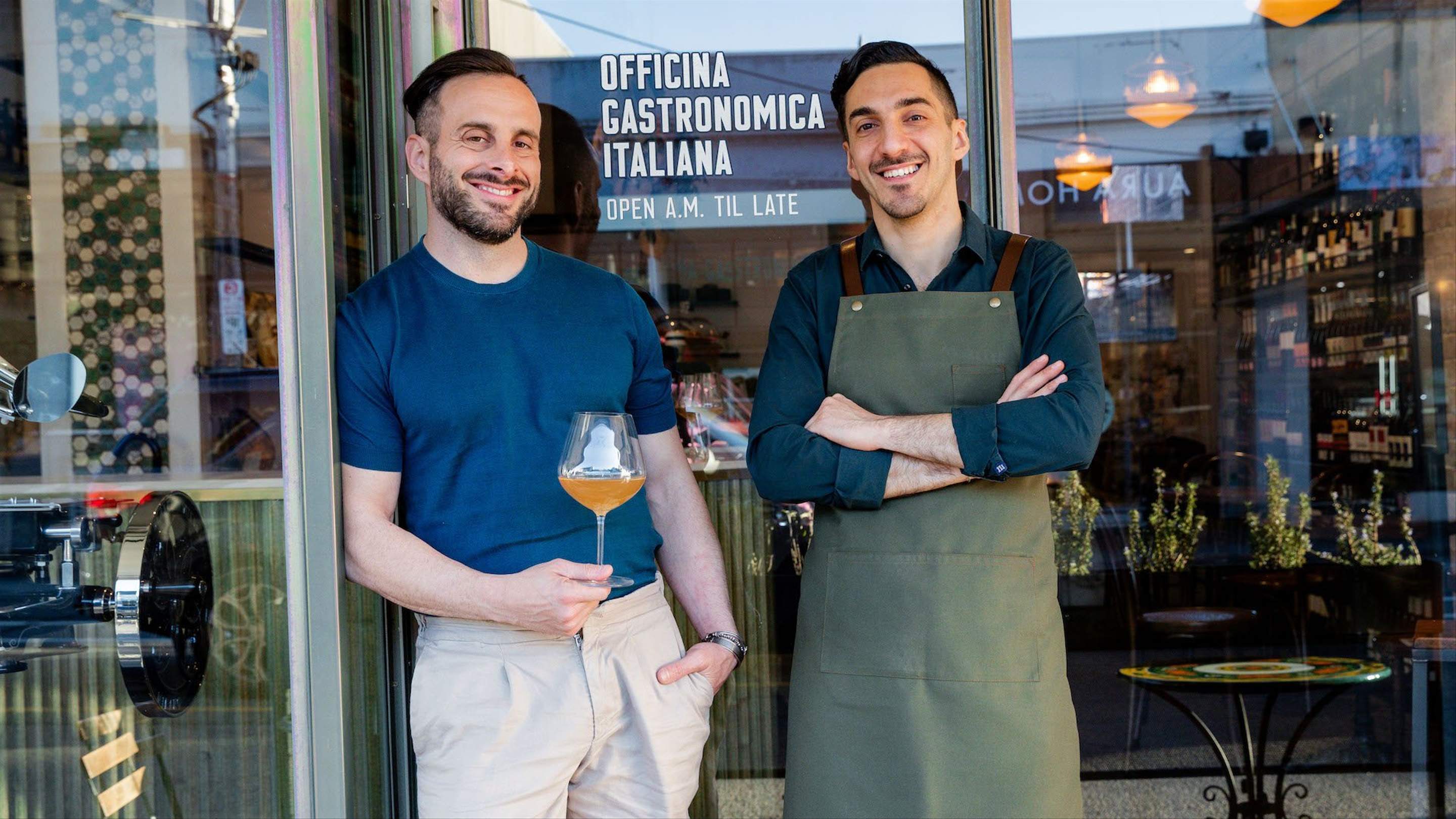
I first understood Italian coffee culture not in a specialty café, but standing at the zinc counter of a narrow bar in Naples, watching a barista pull shots with the unhurried precision of someone performing a daily sacrament. The drink cost €1.10. The exchange lasted perhaps ninety seconds. Yet in that brief ritual, I witnessed something that has taken coffee professionals decades to articulate: coffee as social infrastructure.
The Italian espresso bar is not a café in the contemporary sense. It is a civic institution—a place where transactions are conducted standing, where familiarity is built through repetition rather than conversation, and where the quality of coffee is inseparable from the quality of the moment. Understanding this distinction is essential for anyone seeking to comprehend why Italian coffee culture remains influential despite being largely disconnected from specialty coffee's quality discourse.
Historically, the modern espresso bar emerged in post-war Italy as a democratizing force. Before espresso machines, coffee was brewed slowly and consumed in bourgeois settings. The espresso machine compressed both time and cost, making coffee accessible to workers who needed energy quickly during breaks. The standing bar format emerged from this economic logic: without seating, turnover increased, prices stayed low, and coffee became a right rather than a luxury.
This functional origin shaped cultural norms that persist today. Italians typically consume espresso in a single gesture, not lingering over cups. The relationship between customer and barista is built on recognition and routine—your regular order known without asking, your presence acknowledged with minimal words. This efficiency is not coldness; it is familiarity compressed.
The preparation ritual deserves attention. Italian espresso emphasizes consistency over complexity: darker roasts that produce predictable extraction, machines maintained to deliver stable temperature and pressure, and technique honed through thousands of daily repetitions. The goal is not to reveal subtle origin characteristics but to produce a reliable experience—a certain bitterness balanced by crema sweetness, a viscosity that coats the mouth, a temperature that permits immediate consumption.
This approach contrasts sharply with specialty coffee's origin-focused, lighter-roasted methodology. Neither is objectively correct; they optimize for different values. Italian espresso optimizes for ritual consistency, social function, and democratic access. Specialty espresso optimizes for flavor complexity, origin expression, and sensory exploration. The tension between these approaches has shaped global coffee culture for decades.
Yet Italian coffee culture now faces genuine transformation pressures. A generation of Italians who traveled abroad encountered specialty coffee's different possibilities. They returned asking questions: Why does Italian espresso taste primarily of roast? Why do we not explore single origins? Why are our beans often stale by specialty standards? These questions challenge not just technical practices but cultural assumptions about what coffee should be.
I visited specialty operations in Milan, Turin, and Rome that are attempting synthesis—honoring Italian social rituals while improving coffee quality. Their challenge is substantial: Italian consumers resist lighter roasts, expect very low prices, and visit bars for social function rather than flavor exploration. The specialty operators who succeed often do so by creating separate identities for traditional and specialty offerings rather than attempting to transform Italian coffee culture wholesale.
The regulatory environment adds complexity. Italian law specifies maximum prices for coffee consumed standing at the bar, reflecting coffee's status as essential commodity rather than premium product. This price control makes quality investment economically challenging and reinforces the commodity orientation that specialty advocates wish to change.
Generational dynamics suggest gradual evolution rather than revolution. Younger Italians show more openness to specialty approaches, but they still value the social rituals surrounding coffee consumption. The most promising innovations maintain ritual elements while improving quality: single-origin espresso served at the bar with the same speed and price as traditional blends, lighter roasts introduced gradually alongside familiar options.
My assessment after extensive observation is that Italian coffee culture offers something irreplaceable: coffee as social rhythm rather than individual consumption. The challenge for specialty coffee is not to replace this tradition, but to learn from its integration of quality, accessibility, and community. The brief standing ritual at an Italian bar provides social connection that lengthy café sessions sometimes fail to deliver. Recognizing this value—and learning from it—would enrich specialty coffee's development without requiring abandonment of quality principles.
The future likely involves continued diversification: traditional bars maintaining social functions for those who value them, specialty operations attracting quality-focused consumers willing to pay higher prices, and hybrid models attempting to bridge both orientations. What seems unlikely is wholesale transformation of a culture so deeply embedded in Italian social life. The espresso bar has survived waves of innovation by adapting without abandoning core values. It will probably continue doing so.

Isabella Romano
Emma Johnson is a coffee expert with years of experience in brewing techniques, coffee culture, and the global coffee industry. She has extensive knowledge of coffee origins, roasting methods, equipment, and preparation practices, and regularly shares insights, guides, and tips to help enthusiasts and beginners enhance their coffee experience.
You Might Also Like
Comments
-
 Reply
ReplyIsabella Romano
Jun 23, 2025, 11:45 am
I’ve been experimenting with different brewing methods for a few months, and this guide really helped me understand the nuances between pour-over and French press. The tips on water temperature and grind size were especially useful. Thanks for sharing such a detailed article!
-
 Reply
ReplyRonda Otoole
Jun 23, 2025, 11:45 am
As a beginner, I often struggle with choosing the right coffee beans. This post broke down the flavor profiles clearly and gave practical advice on selecting beans based on taste preferences. I feel much more confident in my next purchase now.
 Reply
ReplyJames Whitley
Jun 23, 2025, 11:45 am
Loved the section about sustainable coffee practices! It’s great to see articles that not only focus on brewing but also educate readers on ethical sourcing and environmental impact. Definitely inspired me to try beans from local fair-trade roasters.
-
 Reply
ReplyKimberly Chretien
Jun 23, 2025, 11:45 am
I tried some of the latte art tips from this blog, and even though I’m still a beginner, my coffee looks way better now. The step-by-step instructions and real-world examples made it really easy to follow. Can’t wait to try more techniques!
-
 Reply
ReplyIsabella Romano
Jun 23, 2025, 11:45 am
I really appreciate how this post explains coffee concepts in a simple, approachable way. The breakdown of aroma, acidity, and body helped me understand why different coffees taste the way they do. It’s the kind of article I’ll come back to whenever I try a new bean.