

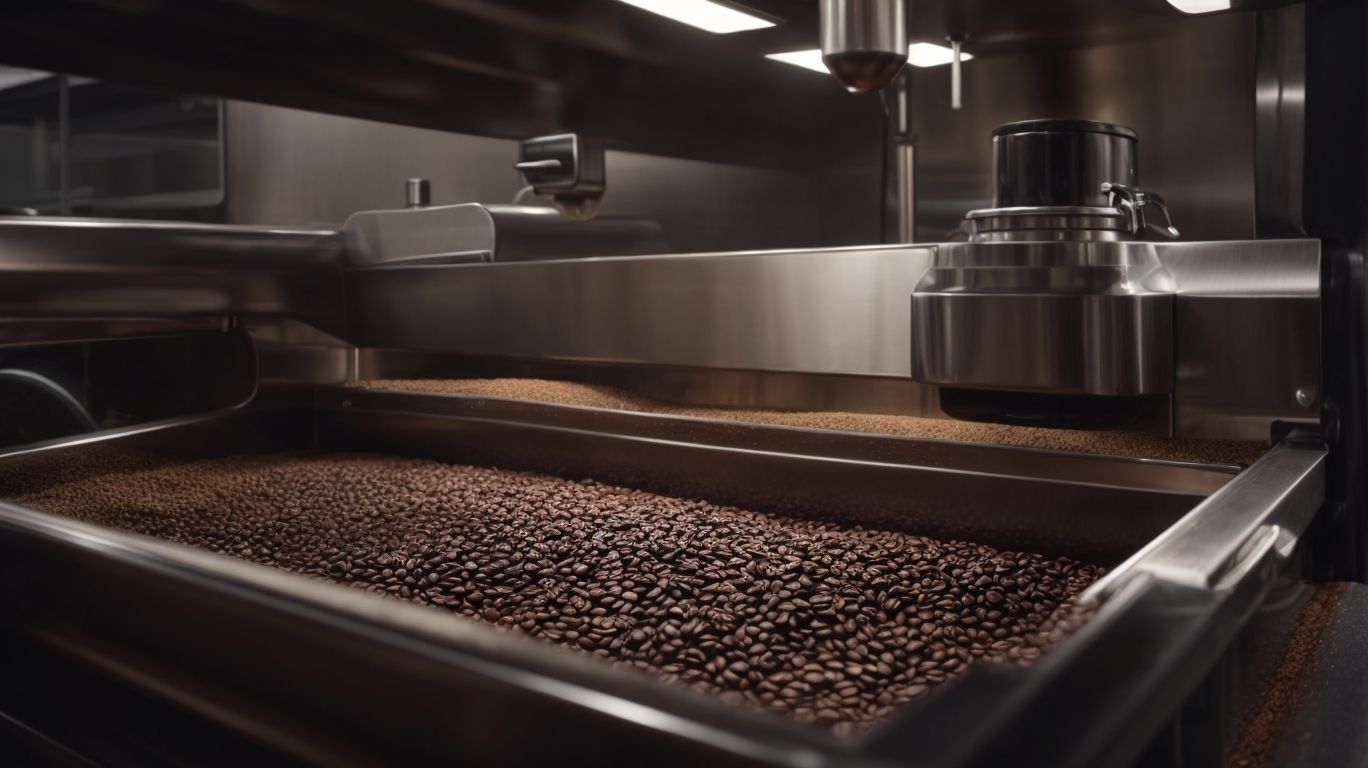
Processing methods shape coffee character as profoundly as origin or varietal—the transformation from cherry to green bean involves decisions that determine what flavor compounds develop, persist, and express in the cup. Understanding processing effects enables strategic blend construction that leverages processing diversity for character complexity. Having worked extensively with diverse processing methods, I examine how processing choices serve blend development.
The processing impact on coffee character involves what happens between harvest and drying—specifically, how and when the fruit is separated from the seed, and what fermentation occurs during the process. These seemingly simple variables produce dramatically different flavor outcomes that blend developers can leverage strategically.
I evaluate processing method contribution to component character, recognizing that what I taste reflects processing decisions as much as agricultural factors. This processing awareness enriches component evaluation beyond simple quality assessment.
Washed processing removes fruit before drying, producing clean cup character that emphasizes origin and varietal characteristics. The clarity of washed coffees allows subtle terroir expression; the cleanliness provides reliable foundation for blend construction. Washed components contribute transparency and origin specificity.
I use washed components when blend objectives emphasize clarity and clean flavor definition. The processing contributes consistency alongside character—washed processing is well-understood and widely practiced, producing predictable outcomes that support blend reliability.
Natural processing dries coffee in the cherry, allowing extended contact between seed and fruit that develops fruit-forward, often wine-like character. The complexity of natural processing can create distinctive blend accent; the fruit intensity provides flavor dimension unavailable from washed processing.
I incorporate natural components when blend objectives include fruit complexity or distinctive accent notes. Natural processing contributes character that washed processing cannot provide—but also introduces variability that requires careful quality selection. Natural components offer opportunity and require attention.
Honey processing removes skin but retains mucilage during drying, producing character intermediate between washed and natural. The sweetness and body of honey processing provide blend foundation with more complexity than washed while maintaining more clarity than natural. Honey components serve bridging and foundation roles effectively.
I use honey processed components for body contribution with flavor interest, recognizing their intermediate character as blending advantage. Honey processing provides options between washed clarity and natural intensity, expanding the blend construction palette.
Experimental processing techniques—anaerobic fermentation, carbonic maceration, extended fermentation, yeast inoculation—produce distinctive characters unavailable from conventional methods. These techniques offer differentiation opportunity but introduce variability and risk that require careful management.
I incorporate experimental processing components strategically, evaluating whether their distinctive character serves blend objectives and whether their variability can be managed. Experimental components provide differentiation when used appropriately; they introduce risk when incorporated without careful consideration.
Anaerobic fermentation produces enhanced fruit character and distinctive aromatic compounds through oxygen-limited fermentation conditions. The resulting coffees can provide dramatic accent notes that differentiate blends from conventional offerings. However, anaerobic processing requires precise control; variation in execution produces inconsistent or defective results.
I select anaerobic components from producers with demonstrated anaerobic expertise, recognizing that the technique's potential is inseparable from its risk. Careful source selection enables accessing anaerobic benefits while managing anaerobic variability.
Processing consistency across lots affects blend reliability. Different processing batches from the same source may exhibit significant character variation; consistency in processing execution supports consistency in blend contribution. Processing consistency deserves evaluation alongside other quality factors.
I assess processing consistency through lot-to-lot comparison, identifying sources that deliver reliable processing outcomes. Consistent processors provide components that support blend reliability; inconsistent processors introduce variability that complicates blend management.
Processing combination in blends leverages different method contributions toward unified character. Combining washed clarity with natural complexity; blending honey body with anaerobic accent. Strategic processing combination creates blend character unavailable from single-method approaches.
I design blends with intentional processing diversity, assigning different processing methods to different contribution roles. This strategic combination leverages processing effects systematically rather than randomly combining whatever is available.
Roast profile adaptation responds to processing method characteristics. Different processing methods produce coffees that respond differently to roasting; optimal profiles vary by processing alongside other factors. Processing-appropriate roasting enables full expression of processing-contributed character.
I adapt roast profiles to processing method, developing approaches that optimize expression of each method's characteristic contribution. This processing-aware roasting produces better outcomes than uniform profiles applied regardless of processing.
My conclusion from working with processing diversity in blend development is that processing method represents a major character determination variable that blend developers should leverage strategically. Understanding how different methods contribute different characteristics—and how to evaluate, select, and combine them effectively—expands blend possibilities beyond what origin selection alone can achieve. Programs that master processing utilization access character complexity that processing-naive approaches cannot match.

Daniel Carter
Emma Johnson is a coffee expert with years of experience in brewing techniques, coffee culture, and the global coffee industry. She has extensive knowledge of coffee origins, roasting methods, equipment, and preparation practices, and regularly shares insights, guides, and tips to help enthusiasts and beginners enhance their coffee experience.
You Might Also Like
Comments
-
 Reply
ReplyDaniel Carter
Jun 23, 2025, 11:45 am
I’ve been experimenting with different brewing methods for a few months, and this guide really helped me understand the nuances between pour-over and French press. The tips on water temperature and grind size were especially useful. Thanks for sharing such a detailed article!
-
 Reply
ReplyRonda Otoole
Jun 23, 2025, 11:45 am
As a beginner, I often struggle with choosing the right coffee beans. This post broke down the flavor profiles clearly and gave practical advice on selecting beans based on taste preferences. I feel much more confident in my next purchase now.
 Reply
ReplyJames Whitley
Jun 23, 2025, 11:45 am
Loved the section about sustainable coffee practices! It’s great to see articles that not only focus on brewing but also educate readers on ethical sourcing and environmental impact. Definitely inspired me to try beans from local fair-trade roasters.
-
 Reply
ReplyKimberly Chretien
Jun 23, 2025, 11:45 am
I tried some of the latte art tips from this blog, and even though I’m still a beginner, my coffee looks way better now. The step-by-step instructions and real-world examples made it really easy to follow. Can’t wait to try more techniques!
-
 Reply
ReplyDaniel Carter
Jun 23, 2025, 11:45 am
I really appreciate how this post explains coffee concepts in a simple, approachable way. The breakdown of aroma, acidity, and body helped me understand why different coffees taste the way they do. It’s the kind of article I’ll come back to whenever I try a new bean.