

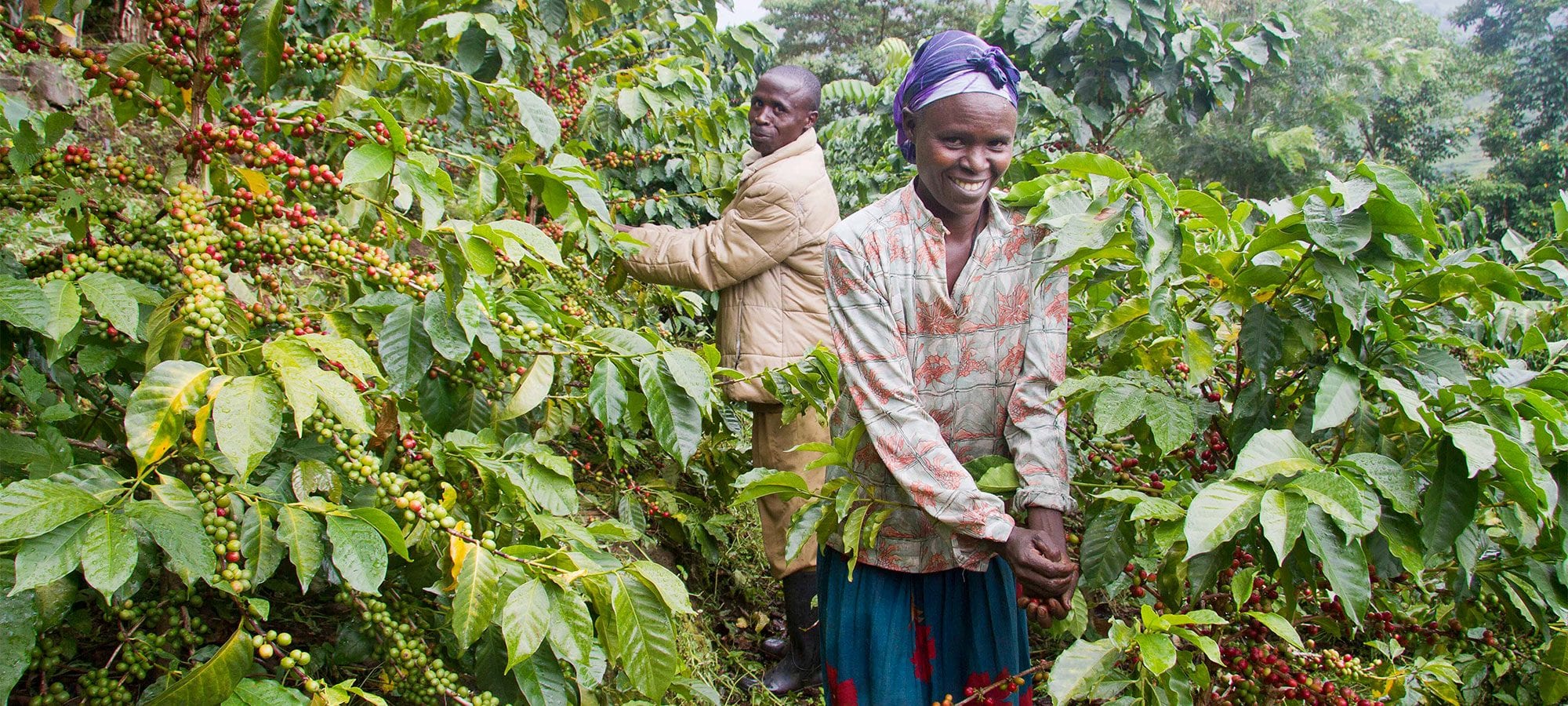
The coffee industry generates over $400 billion in annual retail revenue globally. Yet the estimated 25 million farming families who produce coffee—the fundamental input without which the industry would not exist—typically earn less than $2 per day after accounting for production costs. This structural paradox, in which prosperity at one end of the supply chain coexists with poverty at the other, demands explanation. Having researched this topic for over a decade and conducted fieldwork across multiple origins, I want to examine the economic dynamics that create and perpetuate this inequality.
The starting point is understanding how value distributes across the coffee supply chain. Research consistently shows that farmers receive approximately 5-10% of retail coffee prices, with the remainder divided among exporters (5-10%), importers (5-10%), roasters (20-30%), and retailers (30-50%). These approximate figures vary by market segment, but the structural pattern—farmers receiving small fractions of final value—persists across contexts.
This distribution was not always so skewed. Prior to the 1989 collapse of the International Coffee Agreement quota system, producing countries collectively controlled supply through coordinated export restrictions, maintaining prices that supported farmer livelihoods. The ICA's dissolution eliminated this market power, enabling consuming-country interests to capture value previously shared more broadly.
The commodity market mechanism intensifies farmer vulnerability. Coffee prices on the C-market reflect speculative trading, currency movements, and short-term supply projections rather than production costs. When market prices fall below production costs—as occurred for extended periods in the early 2000s and again around 2018—farmers face impossible choices: sell at losses, abandon production, or incur debt hoping for recovery. The market provides no floor protecting against ruinous prices.
Production cost structures compound the challenge. Coffee requires significant input costs—fertilizers, pest management, equipment maintenance, hired labor—before any revenue arrives. These costs have increased substantially over recent decades as input prices rose and climate adaptation required additional investments. Meanwhile, labor costs have risen in most origins as demographic transitions reduce rural labor availability. The margin between revenues and costs has compressed or disappeared entirely for many farmers.
Land tenure insecurity affects millions of coffee farmers, particularly in Africa and parts of Latin America. Without secure land rights, farmers cannot access formal credit, cannot make long-term investments in their land, and face potential displacement that would destroy accumulated knowledge and infrastructure. The most extreme examples involve farmers who have cultivated land for generations without legal recognition, vulnerable to dispossession by governments or more powerful actors.
The market structure for green coffee trading creates information asymmetries that disadvantage farmers. Exporters and importers possess detailed market information—current prices, quality differentials, buyer preferences—that farmers cannot access. This asymmetry enables intermediaries to capture value that might otherwise reach producers. While certification programs and direct trade initiatives have improved transparency for some farmers, the majority sell into local markets with limited price information.
Labor dimensions deserve attention often absent from coffee industry discussions. Many coffee farms rely on hired labor for harvesting, processing, and maintenance. These workers—often migrants or members of marginalized communities—typically earn below poverty-line wages under challenging conditions. The low prices farmers receive constrain what they can pay workers, creating a cascade of poverty throughout the production system.
Certification programs like Fair Trade and Rainforest Alliance represent attempts to address structural inequities through market-based mechanisms. These programs guarantee minimum prices, provide premiums for community investment, and establish standards for worker treatment and environmental protection. However, their impact remains limited. Certification reaches only a fraction of global production, premiums often do not fully cover certification costs, and the fundamental price dynamics remain unchanged for most farmers.
I have visited certified cooperatives that have demonstrably improved member livelihoods, and others where certification appears primarily as marketing rather than material benefit. The difference typically involves cooperative governance capacity, premium distribution practices, and integration with broader development support. Certification works when it complements other interventions; it rarely transforms outcomes on its own.
The specialty coffee segment presents more optimistic possibilities but reaches only a tiny fraction of farmers. Specialty buyers typically pay significant premiums for quality, maintain longer-term relationships with suppliers, and invest in farmer support programs. The economics of specialty coffee can support genuine farmer prosperity—I have visited specialty-focused farms where families earn middle-class incomes and can invest in children's education and future opportunities.
However, specialty coffee's share of global production remains small, perhaps 5-10% depending on definitions. And specialty quality requires conditions—altitude, climate, processing infrastructure, varietals—that many farmers cannot achieve regardless of effort. The specialty market cannot scale to encompass the majority of coffee farmers whose production conditions do not support premium quality.
Climate change adds compounding pressure. The investments required to adapt to changing conditions—new varietals, shade infrastructure, water management, elevation transitions—exceed most farmers' capital capacity. Those who cannot adapt will exit coffee production, either voluntarily or through crop failure. This exit may reduce global supply enough to improve prices for survivors, but the human cost of forced transition will be substantial.
Solutions exist but require political will that has been largely absent. Producer-country cooperation to manage supply could restore some market power that disappeared with the ICA. Consuming-country regulations requiring minimum pricing could establish floors protecting against exploitative purchases. Industry-funded adaptation programs could support farmer investment needs. Consumer willingness to pay prices reflecting true production costs could shift value distribution toward producers.
My assessment after years of engagement with these issues is cautiously pessimistic about the likelihood of transformative change. The current system serves powerful interests in consuming countries who benefit from low input costs. Fragmented producer interests have failed to coordinate effectively for collective action. And consumer price sensitivity, while perhaps overstated, creates genuine resistance to price increases that would be necessary to fund meaningful farmer welfare improvements.
What remains clear is that the current situation—in which most coffee farmers live in poverty while the industry generates enormous wealth—is a policy choice rather than an economic inevitability. Different rules, different market structures, and different industry practices could produce different outcomes. Whether the will exists to implement such changes is a question the industry must answer.

Isabella Romano
Emma Johnson is a coffee expert with years of experience in brewing techniques, coffee culture, and the global coffee industry. She has extensive knowledge of coffee origins, roasting methods, equipment, and preparation practices, and regularly shares insights, guides, and tips to help enthusiasts and beginners enhance their coffee experience.
You Might Also Like
Comments
-
 Reply
ReplyIsabella Romano
Jun 23, 2025, 11:45 am
I’ve been experimenting with different brewing methods for a few months, and this guide really helped me understand the nuances between pour-over and French press. The tips on water temperature and grind size were especially useful. Thanks for sharing such a detailed article!
-
 Reply
ReplyRonda Otoole
Jun 23, 2025, 11:45 am
As a beginner, I often struggle with choosing the right coffee beans. This post broke down the flavor profiles clearly and gave practical advice on selecting beans based on taste preferences. I feel much more confident in my next purchase now.
 Reply
ReplyJames Whitley
Jun 23, 2025, 11:45 am
Loved the section about sustainable coffee practices! It’s great to see articles that not only focus on brewing but also educate readers on ethical sourcing and environmental impact. Definitely inspired me to try beans from local fair-trade roasters.
-
 Reply
ReplyKimberly Chretien
Jun 23, 2025, 11:45 am
I tried some of the latte art tips from this blog, and even though I’m still a beginner, my coffee looks way better now. The step-by-step instructions and real-world examples made it really easy to follow. Can’t wait to try more techniques!
-
 Reply
ReplyIsabella Romano
Jun 23, 2025, 11:45 am
I really appreciate how this post explains coffee concepts in a simple, approachable way. The breakdown of aroma, acidity, and body helped me understand why different coffees taste the way they do. It’s the kind of article I’ll come back to whenever I try a new bean.