

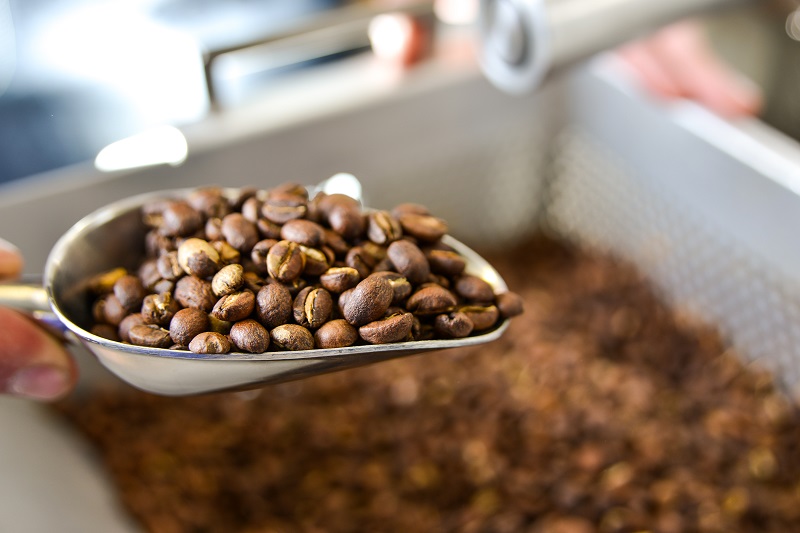
Roasting represents the transformation point where green coffee potential becomes realized flavor, and for signature blends, this transformation must serve not individual component showcase but unified blend character. Having refined roasting approaches for numerous blend programs, I examine how roasting artistry serves blend objectives differently than single origin roasting.
The roasting perspective shift for blends involves subordinating individual component optimization to blend contribution optimization. A roast profile that maximizes individual coffee character might produce contribution that disrupts blend balance; a profile that produces optimal blend contribution might seem underdeveloped or overdeveloped by single origin standards. Blend roasting requires different success criteria.
I approach blend roasting with explicit contribution targets for each component—what should this component provide to the unified blend experience? Acidity contribution? Body foundation? Aromatic enhancement? Finish persistence? These contribution targets determine profile development direction rather than individual quality maximization.
Profile differentiation across components enables precise blend architecture. Rather than applying uniform profiles that compromise individual optimization, roasting each component to its intended contribution target produces raw materials that combine effectively. This differentiation requires more complex production but enables more sophisticated blend outcomes.
I roast blend components separately with profiles tailored to their blend roles. The bright component receives development that preserves acidity; the body component receives development that builds weight; the aromatic component receives development that enhances volatiles. This differentiated approach produces components optimized for combination.
Heat application patterns through the roast affect flavor development in ways that serve specific contribution goals. Aggressive early heat develops certain characteristics; gentle early heat preserves others. Heat application in development phase similarly affects which flavor compounds form and persist. Understanding these relationships enables intentional contribution manipulation.
I design heat application patterns specific to each component's contribution target. Components intended for brightness receive patterns that preserve delicate compounds; components intended for body receive patterns that drive caramelization fully. This intentional heat management produces contributions that uniform approaches cannot achieve.
Development time calibration fine-tunes contribution intensity and character. Shorter development preserves more origin character and acidity; longer development builds more body and roast character. For blend components, development time should serve contribution targets rather than individual balance optimization.
I calibrate development time based on contribution requirements rather than individual coffee optimization. If a component needs to contribute brightness, development stays short even if longer development might produce better individual balance. Blend contribution optimization takes precedence over individual optimization.
End point determination completes the roast at the moment that achieves intended contribution character. Ending too early produces underdeveloped contribution; ending too late produces overdeveloped contribution that may overwhelm intended role. Precise end point control enables contribution precision.
I determine end points through systematic testing, roasting component samples to different end points and evaluating their blend contribution. This testing reveals optimal end points that might differ from what individual cupping would suggest. Contribution-based end point determination produces better blend outcomes.
Consistency across batches ensures that intended contributions remain stable through production cycles. Variation in roast execution produces variation in contribution, disrupting blend balance despite consistent formulation. Roast consistency is blend consistency prerequisite.
I implement roast consistency protocols including parameter logging, real-time monitoring, and deviation response procedures. Every production roast should achieve target parameters within acceptable tolerance; deviations should trigger investigation and correction. This consistency discipline ensures that contribution intentions translate to contribution reality.
Equipment understanding enables parameter achievement and consistency maintenance. Different roasting equipment produces different results from identical parameters; understanding equipment characteristics enables parameter selection that achieves intended outcomes. Equipment mastery underlies roasting artistry.
I develop deep familiarity with specific roasting equipment, understanding how its characteristics affect flavor development and how to manipulate its capabilities toward intended outcomes. This equipment expertise enables achieving intentions that generic parameter application cannot.
Sensory feedback loops verify that roasting intentions produce intended outcomes and guide refinement when they do not. Cupping every production batch against reference standards reveals whether roasting achieved contribution targets; deviations guide parameter adjustment. This feedback orientation enables continuous improvement.
I cup every production batch, comparing against reference standards specifically for contribution character rather than generic quality assessment. This contribution-focused evaluation reveals whether roasting served blend objectives; generic quality cupping might miss contribution failures while noting quality adequacy.
Documentation captures roasting knowledge for consistency and refinement. Recording parameters, observations, and evaluation results creates institutional knowledge that survives personnel changes and enables pattern identification. Undocumented roasting knowledge eventually dissipates; documented knowledge accumulates.
I maintain comprehensive roasting records including intended parameters, actual parameters, significant observations, and evaluation results. Periodic review of accumulated records identifies patterns that individual observations miss—seasonal trends, equipment drift, correlation between parameter variations and outcome differences.
My conclusion from developing blend roasting approaches is that roasting for blends requires fundamental perspective shift from individual optimization to contribution optimization. The artistry involved—profile differentiation, intentional heat management, contribution-based development and end points, rigorous consistency, equipment mastery, sensory feedback, and comprehensive documentation—serves blend objectives that standard roasting excellence does not address. Blend programs that master contribution-focused roasting achieve flavor integration that component-indifferent roasting cannot produce.

Sophia Reynolds
Emma Johnson is a coffee expert with years of experience in brewing techniques, coffee culture, and the global coffee industry. She has extensive knowledge of coffee origins, roasting methods, equipment, and preparation practices, and regularly shares insights, guides, and tips to help enthusiasts and beginners enhance their coffee experience.
You Might Also Like
Comments
-
 Reply
ReplySophia Reynolds
Jun 23, 2025, 11:45 am
I’ve been experimenting with different brewing methods for a few months, and this guide really helped me understand the nuances between pour-over and French press. The tips on water temperature and grind size were especially useful. Thanks for sharing such a detailed article!
-
 Reply
ReplyRonda Otoole
Jun 23, 2025, 11:45 am
As a beginner, I often struggle with choosing the right coffee beans. This post broke down the flavor profiles clearly and gave practical advice on selecting beans based on taste preferences. I feel much more confident in my next purchase now.
 Reply
ReplyJames Whitley
Jun 23, 2025, 11:45 am
Loved the section about sustainable coffee practices! It’s great to see articles that not only focus on brewing but also educate readers on ethical sourcing and environmental impact. Definitely inspired me to try beans from local fair-trade roasters.
-
 Reply
ReplyKimberly Chretien
Jun 23, 2025, 11:45 am
I tried some of the latte art tips from this blog, and even though I’m still a beginner, my coffee looks way better now. The step-by-step instructions and real-world examples made it really easy to follow. Can’t wait to try more techniques!
-
 Reply
ReplySophia Reynolds
Jun 23, 2025, 11:45 am
I really appreciate how this post explains coffee concepts in a simple, approachable way. The breakdown of aroma, acidity, and body helped me understand why different coffees taste the way they do. It’s the kind of article I’ll come back to whenever I try a new bean.