

Temperature Control in Specialty Brews: Precision for Optimal Extraction
October 18, 2025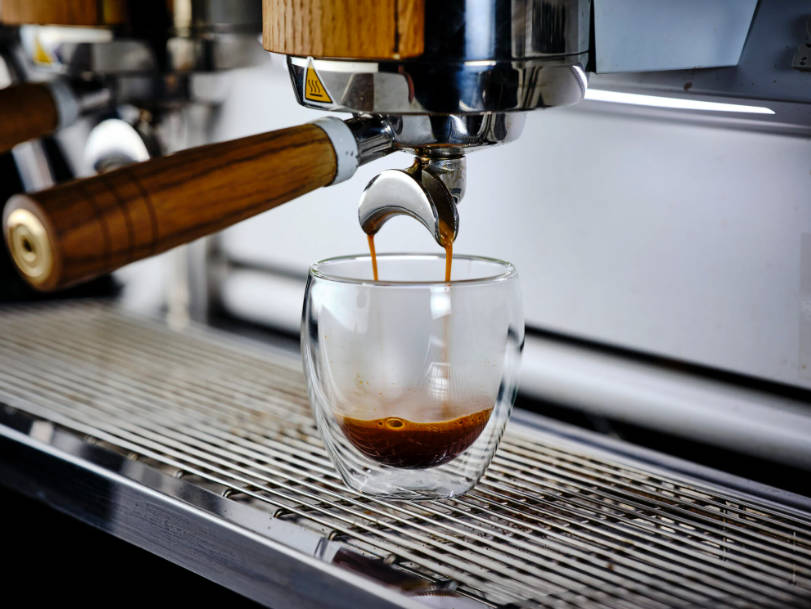
Temperature represents one of the most powerful variables in coffee extraction—small temperature changes produce significant flavor differences that trained palates readily detect. Understanding temperature's effects on extraction chemistry and developing precise control systems enables professionals to optimize brewing for specific coffees and desired outcomes.
The relationship between temperature and extraction follows fundamental chemistry principles. Higher temperatures increase molecular kinetic energy, accelerating the dissolution of soluble compounds from coffee grounds. This acceleration affects both extraction rate and the relative extraction of different compound classes.
I approach temperature as a primary extraction lever that enables intentional flavor manipulation. Understanding how temperature affects different compounds enables targeted adjustment for desired cup characteristics. This mechanistic understanding transforms temperature from arbitrary setting into deliberate tool.
Extraction kinetics at different temperatures produce distinct flavor profiles. Higher temperatures extract acids, sugars, and bitter compounds more rapidly; the relative rates affect balance. Lower temperatures may preserve delicate aromatics while under-extracting body-building compounds. Temperature selection shapes the extraction narrative.
I calibrate temperature based on desired flavor profile and coffee characteristics. Lighter roasts often benefit from higher temperatures that ensure adequate extraction; darker roasts may require lower temperatures to avoid excessive bitterness. This coffee-specific temperature adjustment optimizes results.
Acid extraction responds predictably to temperature variation. Higher temperatures extract acids more efficiently, producing brighter cups; lower temperatures may produce less vibrant acidity. For coffees where acidity is desirable, temperature can enhance this characteristic.
I use temperature to modulate acidity expression, increasing temperature for coffees where brightness should dominate and reducing temperature where balance or smoothness is preferred. This acidity management through temperature enables flavor profile customization.
Sweetness development relates to temperature through extraction of sugar compounds. Adequate temperature ensures efficient sugar extraction; insufficient temperature may produce under-sweet cups despite proper overall extraction. Sweetness optimization requires temperature awareness.
I ensure adequate temperature for sweetness extraction while avoiding temperatures that accelerate bitter compound extraction beyond acceptable levels. This balance-seeking approach uses temperature to optimize sweetness within bitter compound constraints.
Bitter compound extraction accelerates at higher temperatures. While some bitterness contributes to complexity, excessive bitterness overwhelms other flavors. Temperature management helps control bitter compound extraction while achieving adequate overall extraction.
I calibrate temperature to extract sufficient body and sweetness while limiting bitter compound extraction to acceptable levels. This temperature balancing approach optimizes the ratio of desirable to less desirable compounds.
Aromatic compound preservation benefits from temperature awareness. Some aromatic compounds are volatile and may dissipate at higher temperatures; others require heat for release. Temperature affects which aromatics contribute to the cup experience.
I consider aromatic preservation when selecting temperatures, sometimes accepting slightly lower extraction efficiency to preserve delicate aromatics that higher temperatures would volatilize. This aromatic awareness adds a dimension to temperature optimization.
Temperature stability throughout brewing affects consistency. Temperature drop during brewing produces different extraction dynamics than stable temperature; understanding equipment behavior enables appropriate compensation.
I monitor temperature throughout brewing processes, understanding how specific equipment maintains or loses temperature. This awareness enables technique adjustment that compensates for equipment characteristics.
Pre-heating equipment and vessels maintains intended brewing temperatures. Cold equipment absorbs heat from brewing water, reducing actual brewing temperature below set points. Thorough pre-heating ensures that set temperatures match actual temperatures.
I pre-heat all brewing equipment and serving vessels, establishing protocols that ensure temperature consistency from first brew to last. This pre-heating discipline eliminates temperature variation that compromises consistency.
Ambient conditions affect temperature management. Cold environments require more aggressive heating and better insulation; warm environments may require cooling considerations. Environmental awareness enables appropriate response.
I adjust temperature protocols based on ambient conditions, recognizing that the same settings may produce different results in different environments. This environmental responsiveness maintains consistency across conditions.
Equipment selection affects temperature control capability. Different brewers offer different temperature precision and stability; equipment selection should match precision requirements. Investment in temperature-capable equipment enables optimization that simpler equipment cannot achieve.
I select equipment based on temperature control requirements, recognizing that some applications demand precision that only specific equipment provides. This equipment-aware approach ensures that hardware supports quality goals.
Temperature profiling—varying temperature throughout extraction—enables advanced optimization. Beginning with higher temperatures then reducing, or vice versa, produces different results than stable temperature. Profiling capability enables sophisticated extraction control.
I explore temperature profiling when equipment permits, documenting how temperature variation during brewing affects flavor development. This advanced technique extends optimization possibilities beyond static temperature selection.
Documentation of temperature parameters enables reproducibility and systematic improvement. Recording temperatures alongside other variables and sensory outcomes reveals temperature-flavor relationships that inform ongoing optimization.
I maintain comprehensive temperature records, correlating temperature data with extraction metrics and cup quality. This documentation enables identification of optimal temperatures for specific coffees and conditions.
My professional conclusion is that temperature control represents a fundamental competency in specialty coffee preparation. Understanding extraction chemistry, maintaining equipment capable of precise control, and developing coffee-specific temperature protocols enables optimization that distinguishes professional practice from amateur brewing.

Ethan Carter
Emma Johnson is a coffee expert with years of experience in brewing techniques, coffee culture, and the global coffee industry. She has extensive knowledge of coffee origins, roasting methods, equipment, and preparation practices, and regularly shares insights, guides, and tips to help enthusiasts and beginners enhance their coffee experience.
You Might Also Like
Comments
-
 Reply
ReplyEthan Carter
Jun 23, 2025, 11:45 am
I’ve been experimenting with different brewing methods for a few months, and this guide really helped me understand the nuances between pour-over and French press. The tips on water temperature and grind size were especially useful. Thanks for sharing such a detailed article!
-
 Reply
ReplyRonda Otoole
Jun 23, 2025, 11:45 am
As a beginner, I often struggle with choosing the right coffee beans. This post broke down the flavor profiles clearly and gave practical advice on selecting beans based on taste preferences. I feel much more confident in my next purchase now.
 Reply
ReplyJames Whitley
Jun 23, 2025, 11:45 am
Loved the section about sustainable coffee practices! It’s great to see articles that not only focus on brewing but also educate readers on ethical sourcing and environmental impact. Definitely inspired me to try beans from local fair-trade roasters.
-
 Reply
ReplyKimberly Chretien
Jun 23, 2025, 11:45 am
I tried some of the latte art tips from this blog, and even though I’m still a beginner, my coffee looks way better now. The step-by-step instructions and real-world examples made it really easy to follow. Can’t wait to try more techniques!
-
 Reply
ReplyEthan Carter
Jun 23, 2025, 11:45 am
I really appreciate how this post explains coffee concepts in a simple, approachable way. The breakdown of aroma, acidity, and body helped me understand why different coffees taste the way they do. It’s the kind of article I’ll come back to whenever I try a new bean.