


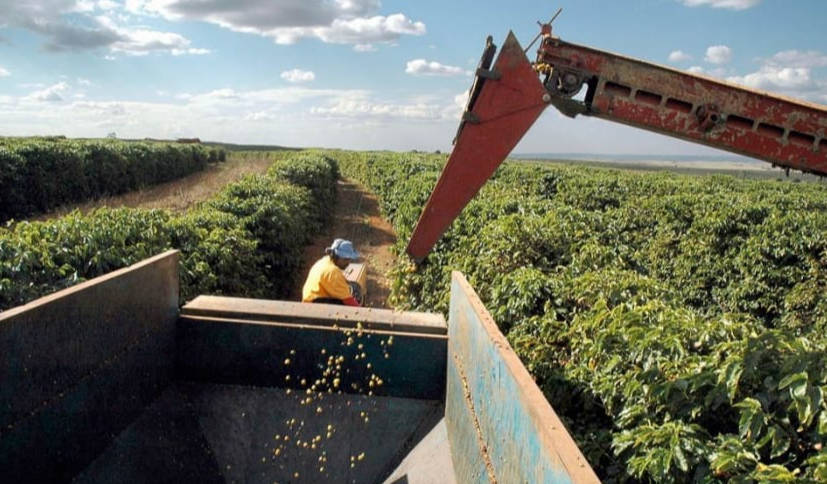
Sustainability in coffee has evolved from marketing buzzword to operational imperative, driven by climate pressures, consumer expectations, and the practical reality that degraded farms cannot produce quality coffee indefinitely. Having visited farms implementing cutting-edge sustainable practices across multiple origins, I have observed innovations that genuinely improve both environmental outcomes and coffee quality—as well as initiatives that amount to greenwashing without substance. This analysis focuses on innovations that demonstrate measurable impact and offer models for broader adoption.
Regenerative agriculture represents perhaps the most significant innovation trajectory in sustainable coffee farming. Moving beyond the conventional sustainability framework of 'doing less harm,' regenerative approaches actively rebuild soil health, sequester carbon, and restore ecosystem function. The practices involved—cover cropping, composting, reduced tillage, diverse plantings—are not new individually, but their integration into comprehensive farm management systems represents genuine innovation.
I have visited farms in Central America that transitioned from conventional to regenerative management over five-year periods, documenting changes in soil organic matter, water retention capacity, and biodiversity indicators. The results were compelling: soil organic matter increased from under 2% to over 5% in some cases, dramatically improving water retention and reducing irrigation needs. Earthworm populations—indicators of soil biology health—increased tenfold. Bird species counts doubled as habitat complexity increased.
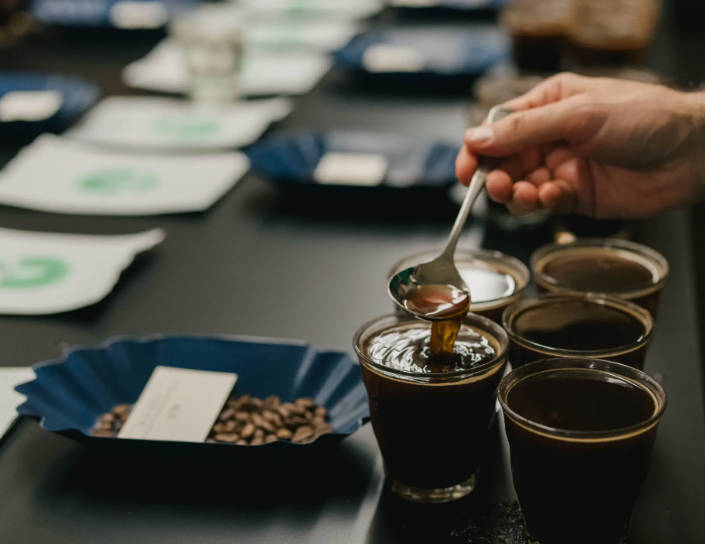
The cup quality implications of regenerative practices deserve attention. Healthier soils produce healthier plants that can develop more complex flavor compounds. I have cupped coffees from the same farm before and after regenerative transition, noting increased sweetness, more defined acidity, and improved aromatic complexity in post-transition samples. These quality improvements are not universal—other factors also influence cup quality—but the correlation between soil health and cup quality is increasingly documented.
Intercropping innovations extend beyond traditional shade-tree systems. Progressive farms are integrating nitrogen-fixing plants that reduce fertilizer needs, aromatic herbs that may influence coffee flavor development, and fruit trees that provide additional income streams. One farm I visited in Colombia had developed an intercropping system with bananas, citrus, and native legumes that reduced synthetic fertilizer use by 70% while maintaining yields and improving cup scores.
The economic viability of such systems matters for adoption potential. Intercropping systems that provide multiple harvest streams reduce income volatility—if coffee prices drop, fruit or timber sales provide buffer income. The reduced input costs from biological nitrogen fixation and natural pest management improve margins even when yields remain constant. I have analyzed farm economics before and after intercropping adoption, finding improved profitability in most cases after initial establishment periods.
Water management innovations address both scarcity and pollution challenges. Traditional wet processing consumes 40+ liters per kilogram of green coffee and produces wastewater with high organic content that pollutes waterways. Innovative processing approaches dramatically reduce both consumption and pollution. Ecological pulpers reduce water use by 80% or more; recirculating systems reuse water multiple times; constructed wetlands treat wastewater biologically before discharge.
I have seen processing facilities transform from significant pollution sources to near-zero discharge operations through systematic water management innovation. The investment requirements are substantial but often qualify for development financing or sustainability program support. The resulting operations demonstrate that quality coffee production need not compromise water resources.
Renewable energy adoption in coffee processing addresses both environmental impact and operational stability. Solar drying systems reduce reliance on mechanical dryers that consume fossil fuels while often producing superior results—the slower, more controlled drying that solar systems enable can improve cup quality by reducing stress on the beans. Solar electricity generation powers processing equipment in locations where grid reliability is problematic.
I visited a farm in East Africa that had installed solar panels providing 100% of processing electricity needs, eliminating both diesel generator costs and the unreliability of grid power during critical processing periods. The quality control benefits of consistent power—stable temperature for fermentation monitoring, reliable operation of sorting equipment—complemented the environmental benefits.
Biofertilization innovations replace synthetic fertilizers with biological alternatives that build soil health rather than depleting it. Compost systems that process coffee pulp and mucilage—previously waste products—into valuable soil amendments close nutrient loops while eliminating pollution. Microbial inoculants enhance nutrient availability and plant health without the environmental costs of synthetic inputs.
The transition from synthetic to biological fertility management requires knowledge and patience—soil biology takes time to develop, and yields may dip during transition before recovering and often exceeding previous levels. I have observed farms struggle during transition when they lacked technical support or adequate financial reserves to weather temporary yield reductions. Successful transitions typically involve gradual reduction of synthetic inputs alongside biological system development rather than abrupt elimination.
Integrated pest management reduces pesticide use while maintaining crop protection. Understanding pest life cycles, encouraging natural predators, implementing physical barriers, and using biological controls can manage pest pressure without the environmental and health costs of chemical approaches. The coffee berry borer—the most economically significant coffee pest—can be managed through trap deployment, biological controls, and harvest timing that reduces reproduction opportunities.
Climate adaptation innovations address the existential threat that climate change poses to coffee production. Variety selection for heat tolerance, shade system intensification to moderate temperatures, water harvesting and storage for drought resilience, and geographic diversification strategies all represent responses to climate pressures. The farms most likely to survive coming decades are those implementing adaptation strategies now rather than waiting for crisis.
Carbon sequestration potential in coffee systems has attracted attention from climate financing mechanisms. Agroforestry coffee systems can sequester significant carbon in trees, soil organic matter, and root systems. Carbon credit programs that compensate farmers for sequestration provide income streams that support sustainable practice adoption. I have worked with farms developing carbon credit applications, documenting sequestration rates and establishing monitoring protocols.
The verification challenge in sustainable coffee deserves honest acknowledgment. Certification programs provide some assurance but vary in rigor and enforcement. Self-reported sustainability claims may or may not reflect actual practices. Sophisticated buyers increasingly require direct verification through farm visits, third-party audits, or detailed documentation. The gap between sustainability claims and sustainability reality remains significant in much of the market.
My conclusion from observing sustainable innovation across coffee origins is that genuine progress is occurring but remains unevenly distributed. The farms implementing comprehensive sustainable systems demonstrate that quality coffee production and environmental stewardship can align—often with economic benefits that make sustainability self-reinforcing rather than sacrifice-requiring. However, scaling these innovations requires investment in farmer education, technical support, and market mechanisms that reward sustainable practices. The innovations exist; the challenge is ensuring they spread beyond pioneer farms to transform the broader industry.

Daniel Carter
Emma Johnson is a coffee expert with years of experience in brewing techniques, coffee culture, and the global coffee industry. She has extensive knowledge of coffee origins, roasting methods, equipment, and preparation practices, and regularly shares insights, guides, and tips to help enthusiasts and beginners enhance their coffee experience.
You Might Also Like
Comments
-
 Reply
ReplyDaniel Carter
Jun 23, 2025, 11:45 am
I’ve been experimenting with different brewing methods for a few months, and this guide really helped me understand the nuances between pour-over and French press. The tips on water temperature and grind size were especially useful. Thanks for sharing such a detailed article!
-
 Reply
ReplyRonda Otoole
Jun 23, 2025, 11:45 am
As a beginner, I often struggle with choosing the right coffee beans. This post broke down the flavor profiles clearly and gave practical advice on selecting beans based on taste preferences. I feel much more confident in my next purchase now.
 Reply
ReplyJames Whitley
Jun 23, 2025, 11:45 am
Loved the section about sustainable coffee practices! It’s great to see articles that not only focus on brewing but also educate readers on ethical sourcing and environmental impact. Definitely inspired me to try beans from local fair-trade roasters.
-
 Reply
ReplyKimberly Chretien
Jun 23, 2025, 11:45 am
I tried some of the latte art tips from this blog, and even though I’m still a beginner, my coffee looks way better now. The step-by-step instructions and real-world examples made it really easy to follow. Can’t wait to try more techniques!
-
 Reply
ReplyDaniel Carter
Jun 23, 2025, 11:45 am
I really appreciate how this post explains coffee concepts in a simple, approachable way. The breakdown of aroma, acidity, and body helped me understand why different coffees taste the way they do. It’s the kind of article I’ll come back to whenever I try a new bean.