

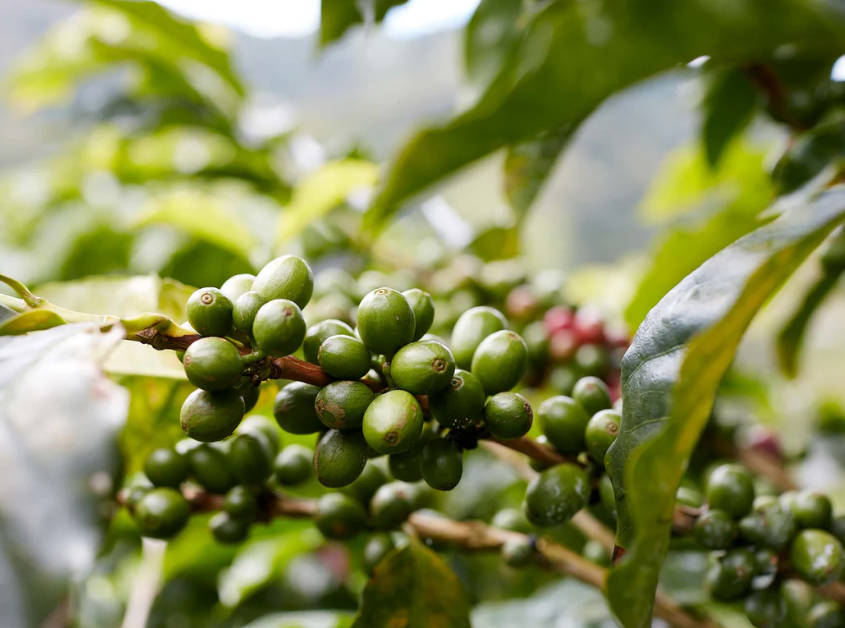
Sustainability has become ubiquitous in coffee marketing, but my direct experience visiting farms reveals that the term encompasses vastly different practices and outcomes. Effective sustainability in single origin coffee requires integrated approaches addressing environmental protection, economic viability, and social responsibility—not marketing claims that emphasize one dimension while ignoring others. This analysis draws from years of farm visits and producer relationships to distinguish substantive sustainability from superficial positioning.
Environmental sustainability in coffee production begins with understanding coffee's ecological context. Arabica coffee evolved as an understory plant in Ethiopian highland forests, adapted to shade, moderate temperatures, and diverse ecosystems. Modern production ranges from traditional shade-grown systems that approximate these conditions to intensive sun-grown monocultures that maximize short-term yields while degrading long-term productivity and ecosystem services.
Shade-grown coffee provides documented environmental benefits: habitat for birds and other wildlife, carbon sequestration in shade trees, reduced soil erosion, moderated microclimate that reduces climate vulnerability, and reduced pest pressure that decreases pesticide need. I have visited shade-grown farms where biodiversity was visibly abundant—birds, insects, mammals present in ways absent from sun-grown operations nearby. These farms often produce distinctive cup profiles that reflect their ecological complexity.
However, shade-grown production typically yields less per hectare than intensive systems, creating economic tension. A farmer considering shade removal faces difficult calculations: higher short-term yields versus long-term soil degradation; reduced input costs for shade systems versus higher output from intensive cultivation. Without market premiums that compensate for lower yields, economic pressure drives intensification regardless of environmental consequences.
Water management presents critical sustainability challenges. Coffee processing consumes significant water—traditional wet processing may use 40 or more liters per kilogram of green coffee—and produces wastewater with high organic content that pollutes waterways if discharged untreated. I have seen rivers downstream from processing facilities with dramatically degraded water quality, affecting communities who depend on those water sources.
Sustainable processing approaches include water recycling systems that reduce consumption, wastewater treatment that removes pollutants before discharge, and alternative processing methods like honey or natural processing that eliminate or reduce water use. These approaches require capital investment and technical knowledge that many smallholders lack. Sustainability programs that address processing infrastructure—not just farm practices—produce more comprehensive environmental benefit.
Soil health determines long-term farm productivity but often receives insufficient attention. Coffee monoculture, especially on slopes without erosion control, depletes soil organic matter and nutrients while increasing erosion risk. I have visited farms where decades of intensive cultivation have produced visibly degraded soils—compacted, lacking structure, dependent on increasing fertilizer inputs to maintain declining yields.
Regenerative approaches—cover cropping, composting, reduced tillage, contour planting—can rebuild soil health over time. These practices require knowledge, labor, and patience; benefits accumulate over years rather than providing immediate returns. Farmers operating at economic margins may lack capacity to invest in soil regeneration even when they understand its importance. Sustainability programs that provide technical assistance and bridge financing for transition periods enable adoption that pure market incentives cannot.
Social sustainability encompasses labor conditions, community relations, and producer welfare. Coffee production remains highly labor-intensive, particularly during harvest when labor demand spikes. Working conditions for harvest labor vary enormously—from exploitative arrangements involving child labor, dangerous conditions, and sub-minimum wages to professional employment with fair compensation, safety protections, and worker voice.
I have visited farms with exemplary labor practices—worker housing, healthcare access, education support, wages above legal minimums, harvest worker retention programs—and farms where labor conditions were genuinely problematic. The variation exists within the same origins, sometimes within the same cooperatives. Certification programs attempt to establish minimum standards but enforcement is inconsistent and standards sometimes set bars too low to be meaningful.
Gender equity deserves specific attention. Women perform significant coffee labor, particularly in harvesting and sorting, but often lack equal access to land ownership, income control, and decision-making authority. Sustainability programs increasingly address gender dimensions, supporting women's cooperatives, ensuring women receive payment directly rather than through male household heads, and providing gender-specific technical training.
Economic sustainability—the capacity for coffee production to provide viable livelihoods—underlies environmental and social sustainability. Farmers who cannot meet basic needs cannot invest in environmental practices or labor improvements. The fundamental challenge for coffee sustainability is that commodity pricing rarely covers production costs for smallholders, forcing either intensification that degrades environmental sustainability or exit from coffee production entirely.
The sustainability certifications that proliferate in coffee markets—Fair Trade, Organic, Rainforest Alliance, UTZ (now merged with Rainforest Alliance), various private standards—address different aspects with varying rigor. Fair Trade emphasizes price floors and community development; Organic addresses chemical inputs; Rainforest Alliance combines environmental and social criteria. None comprehensively addresses all sustainability dimensions, and certification costs may exceed benefits for producers in some market conditions.
My assessment after extensive field experience is that meaningful sustainability requires integration across dimensions and verification beyond certification logos. The most sustainable operations I have encountered combine environmental practices (shade, water management, soil health), social responsibility (fair labor, gender equity, community engagement), and economic models that generate sufficient returns to sustain these practices over time. These integrated approaches are rarer than sustainability marketing suggests.
For buyers and consumers seeking genuinely sustainable single origin coffee, I recommend looking beyond single-attribute claims to comprehensive assessment. How does the producer address environmental practices? What are labor conditions and compensation levels? Is the economic model viable long-term? Can claims be verified through transparent reporting or third-party assessment? These questions reveal more about sustainability than certification logos alone.
My conclusion is that sustainability in single origin coffee is achievable but requires systemic approaches that address the fundamental economics enabling—or preventing—environmental and social investment. Marketing claims without economic sustainability are ultimately hollow; environmental certification without living wages for producers represents incomplete progress. The single origin coffees that genuinely merit sustainability positioning are those where integrated practices are implemented, documented, and continuously improved.

Daniel Carter
Emma Johnson is a coffee expert with years of experience in brewing techniques, coffee culture, and the global coffee industry. She has extensive knowledge of coffee origins, roasting methods, equipment, and preparation practices, and regularly shares insights, guides, and tips to help enthusiasts and beginners enhance their coffee experience.
You Might Also Like
Comments
-
 Reply
ReplyDaniel Carter
Jun 23, 2025, 11:45 am
I’ve been experimenting with different brewing methods for a few months, and this guide really helped me understand the nuances between pour-over and French press. The tips on water temperature and grind size were especially useful. Thanks for sharing such a detailed article!
-
 Reply
ReplyRonda Otoole
Jun 23, 2025, 11:45 am
As a beginner, I often struggle with choosing the right coffee beans. This post broke down the flavor profiles clearly and gave practical advice on selecting beans based on taste preferences. I feel much more confident in my next purchase now.
 Reply
ReplyJames Whitley
Jun 23, 2025, 11:45 am
Loved the section about sustainable coffee practices! It’s great to see articles that not only focus on brewing but also educate readers on ethical sourcing and environmental impact. Definitely inspired me to try beans from local fair-trade roasters.
-
 Reply
ReplyKimberly Chretien
Jun 23, 2025, 11:45 am
I tried some of the latte art tips from this blog, and even though I’m still a beginner, my coffee looks way better now. The step-by-step instructions and real-world examples made it really easy to follow. Can’t wait to try more techniques!
-
 Reply
ReplyDaniel Carter
Jun 23, 2025, 11:45 am
I really appreciate how this post explains coffee concepts in a simple, approachable way. The breakdown of aroma, acidity, and body helped me understand why different coffees taste the way they do. It’s the kind of article I’ll come back to whenever I try a new bean.