

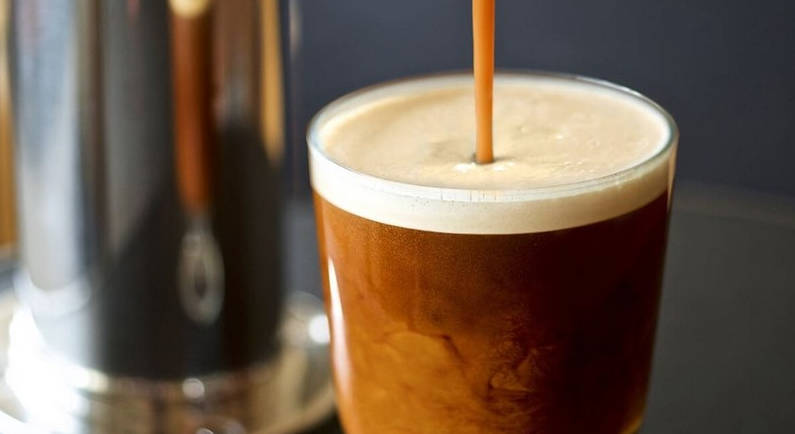
Espresso represents the most technically demanding preparation in specialty coffee—small volumes and brief extraction times mean that minor variables produce major differences. Developing expert espresso technique requires understanding the complex interactions between dose, grind, temperature, pressure, and time while maintaining the sensory awareness to evaluate and adjust based on cup quality.
The espresso extraction process concentrates coffee's complexity into a small, intense beverage. The high pressure forces water through finely ground coffee in a brief window, extracting compounds rapidly and producing the characteristic crema that distinguishes espresso. This intense process rewards precision and punishes variation.
I approach espresso as the ultimate test of coffee craft—every variable matters, every adjustment is perceptible, every shot provides immediate feedback on technique quality. This demanding nature makes espresso mastery both challenging and deeply rewarding.
Dose consistency establishes the foundation for reproducible espresso. Even small variations in coffee amount affect extraction dynamics; inconsistent dosing produces inconsistent shots regardless of other technique elements. Precise dosing enables meaningful adjustment of other variables.
I weigh every dose using precision scales, targeting consistent weights within 0.1 gram tolerance. This dosing discipline ensures that extraction variations reflect deliberate adjustments rather than input inconsistency. Volumetric dosing is inadequate for specialty espresso quality.
Grind calibration for espresso requires continuous attention as coffee ages and conditions change. The relationship between grind size and extraction time must be monitored and adjusted throughout service. Grind adjustment is an ongoing practice rather than a one-time setting.
I taste espresso regularly throughout service, adjusting grind based on extraction timing and flavor evaluation. This continuous calibration maintains shot quality as conditions change; static grind settings inevitably produce quality drift.
Distribution in the portafilter affects extraction evenness. Uneven distribution creates dense and sparse zones that extract at different rates, producing channeling and imbalanced shots. Proper distribution techniques ensure that water flows evenly through the entire coffee bed.
I employ systematic distribution techniques before tamping, ensuring even coffee depth across the basket. This distribution discipline prevents the channeling that undermines extraction quality regardless of other technique elements.
Tamping provides the final bed preparation before extraction. Consistent tamping pressure and level tamping surface ensure uniform resistance to water flow. Tamping technique should produce repeatable results without excessive force that damages wrist or creates problematic density.
I tamp with consistent, moderate pressure using proper ergonomic technique. This consistent tamping produces uniform bed density without the injury risks that excessive pressure creates. Tamping is important but should not become the focus of excessive attention.
Extraction temperature affects which compounds extract and how flavors develop. Higher temperatures generally increase extraction rate and may emphasize certain flavor characteristics; lower temperatures may preserve delicate notes while risking under-extraction. Temperature selection aligns with coffee characteristics.
I adjust extraction temperature based on coffee roast level and flavor goals, using higher temperatures for lighter roasts requiring more aggressive extraction and lower temperatures for darker roasts where excessive extraction produces bitterness.
Extraction pressure affects flow rate and extraction dynamics. Standard 9-bar pressure suits most applications; pressure profiling—varying pressure throughout the shot—enables advanced extraction manipulation. Pressure awareness enables optimization beyond standard parameters.
I monitor pressure throughout extraction, noting how pressure affects flow and flavor. This pressure awareness enables troubleshooting when shots deviate from expectations and advanced optimization when equipment supports profiling.
Extraction time provides primary feedback on extraction progress. Typical targets of 25-35 seconds for double shots indicate appropriate extraction; significantly faster or slower times suggest grind or dose adjustment. Time monitoring enables systematic optimization.
I time every extraction, using timing data to guide grind adjustments and evaluate overall technique consistency. This timing discipline transforms espresso from intuitive craft into systematic practice.
Crema evaluation provides visual feedback on extraction quality. Thick, persistent, tiger-striped crema indicates proper extraction; thin, pale, or quickly dissipating crema suggests problems. Crema observation enables real-time quality assessment.
I observe crema development throughout extraction and evaluate persistence after shot completion. This visual feedback complements timing data and taste evaluation in assessing shot quality.
Taste evaluation remains the ultimate quality measure. Balanced sweetness, appropriate acidity, clean finish, and characteristic body indicate successful extraction; sourness suggests under-extraction while bitterness indicates over-extraction. Tasting every shot enables quality maintenance.
I taste espresso throughout service, evaluating each shot against quality standards and adjusting technique based on sensory feedback. This continuous tasting discipline ensures that quality remains consistent regardless of other measurements.
My professional conclusion is that espresso excellence requires both systematic technique and sensory awareness—the measurements guide adjustment while taste confirms quality. Neither approach alone suffices; together they enable the precision that espresso demands and the consistency that customers deserve.

Sophia Reynolds
Emma Johnson is a coffee expert with years of experience in brewing techniques, coffee culture, and the global coffee industry. She has extensive knowledge of coffee origins, roasting methods, equipment, and preparation practices, and regularly shares insights, guides, and tips to help enthusiasts and beginners enhance their coffee experience.
You Might Also Like
Comments
-
 Reply
ReplySophia Reynolds
Jun 23, 2025, 11:45 am
I’ve been experimenting with different brewing methods for a few months, and this guide really helped me understand the nuances between pour-over and French press. The tips on water temperature and grind size were especially useful. Thanks for sharing such a detailed article!
-
 Reply
ReplyRonda Otoole
Jun 23, 2025, 11:45 am
As a beginner, I often struggle with choosing the right coffee beans. This post broke down the flavor profiles clearly and gave practical advice on selecting beans based on taste preferences. I feel much more confident in my next purchase now.
 Reply
ReplyJames Whitley
Jun 23, 2025, 11:45 am
Loved the section about sustainable coffee practices! It’s great to see articles that not only focus on brewing but also educate readers on ethical sourcing and environmental impact. Definitely inspired me to try beans from local fair-trade roasters.
-
 Reply
ReplyKimberly Chretien
Jun 23, 2025, 11:45 am
I tried some of the latte art tips from this blog, and even though I’m still a beginner, my coffee looks way better now. The step-by-step instructions and real-world examples made it really easy to follow. Can’t wait to try more techniques!
-
 Reply
ReplySophia Reynolds
Jun 23, 2025, 11:45 am
I really appreciate how this post explains coffee concepts in a simple, approachable way. The breakdown of aroma, acidity, and body helped me understand why different coffees taste the way they do. It’s the kind of article I’ll come back to whenever I try a new bean.