
Specialty Coffee's Quality Revolution: How We Got Here and Where We're Going
December 10, 2025
Specialty coffee as a coherent movement is barely fifty years old—a remarkably brief period in which to transform a commodity into a differentiated cultural product commanding significant premiums and inspiring passionate consumer engagement. Understanding this transformation illuminates both how dramatically coffee culture has changed and what challenges the specialty segment faces as it matures.
The standard narrative locates specialty coffee's origins in 1970s America, with Erna Knutsen's coinage of the term 'specialty coffee' to describe the distinctive beans she traded outside commodity channels. However, the conditions enabling specialty's emergence developed over preceding decades: European immigration bringing espresso culture; post-war prosperity creating consumer segments willing to pay for quality; and the decline of American coffee quality through the 1950s and 1960s creating a vacuum that innovators could fill.
The first wave—mass commodity coffee—had dominated American consumption since the late 19th century. Industrial roasting, vacuum packaging, and instant coffee democratized consumption while commodifying quality. By the 1970s, major brands competed primarily on price, with cup quality declining as roasters economized on green coffee purchases. This race to the bottom created consumer dissatisfaction that specialty pioneers could address.
The second wave introduced espresso drinks, coffeehouse culture, and the vocabulary of origin to mainstream consumers. Starbucks, founded in 1971 and transformed through Howard Schultz's leadership in the 1980s, demonstrated that consumers would pay significant premiums for coffee experiences that commodity brands could not provide. By the late 1990s, Starbucks had redefined what American coffee could be—simultaneously mainstreaming specialty concepts while provoking critique from those who saw corporate scale as incompatible with true quality.
The third wave emerged in response to second-wave limitations, emphasizing single origins, lighter roasts, transparent sourcing, and craft preparation. Roasters like Intelligentsia, Stumptown, and Counter Culture—founded in the 1990s and early 2000s—developed direct trade relationships, invested in farmer support, and trained baristas in extraction science. Their influence spread through competition circuits, educational programs, and consumer awareness that quality coffee was possible beyond even Starbucks-level execution.
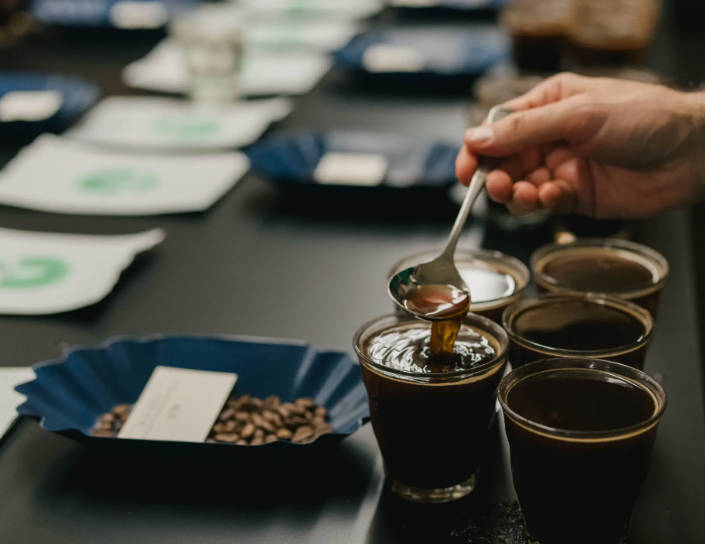
The specialty movement's quantification efforts deserve particular attention. The Specialty Coffee Association's protocols for cupping evaluation, the 100-point scoring system, and the 80-point threshold defining 'specialty grade' provided shared vocabulary enabling quality communication across the supply chain. Q-grader certification created credentialed evaluators whose assessments could be trusted internationally. These standardization efforts enabled the market coordination necessary for specialty commerce.
However, the quantification brought tensions. Critics argue that scoring systems privilege particular flavor profiles—often bright acidity and clean cups associated with washed Central American coffees—while undervaluing qualities emphasized in other traditions. The focus on exceptional lots may neglect good-but-not-exceptional coffees that could support farmer livelihoods without commanding premium prices. And the competitive dynamics of cupping competitions may encourage flavor intensity over balance, pushing processing toward extremes that impress judges but do not necessarily serve consumer preferences.
The third wave's maturation has produced what some call a fourth wave, though consensus on this terminology remains elusive. Characteristics associated with this evolution include: increased farmer-focused narratives emphasizing producer stories alongside sensory descriptions; experimental processing methods pushing flavor boundaries; scientific approaches to brewing optimization; and growing attention to sustainability credentials and supply chain ethics.
The specialty coffee business landscape has consolidated substantially. Many pioneering third-wave companies have been acquired by larger entities—Blue Bottle by Nestlé, Stumptown by Peet's (itself owned by JAB Holding), Counter Culture by a private equity consortium. Whether corporate ownership compromises or scales specialty values remains hotly debated. New independent specialty operations continue emerging, but the capital requirements for competitive roasting operations have increased substantially.
Specialty's consumer base has expanded but shows concerning signs. The 'specialty-curious' segment—consumers who appreciate quality but lack deep knowledge or strong preferences—represents the largest growth opportunity. However, reaching this segment often requires compromising the complexity that enthusiasts value. The tension between accessibility and sophistication manifests in ongoing debates about menu simplification, flavor profile communication, and how much education specialty coffee experiences should incorporate.
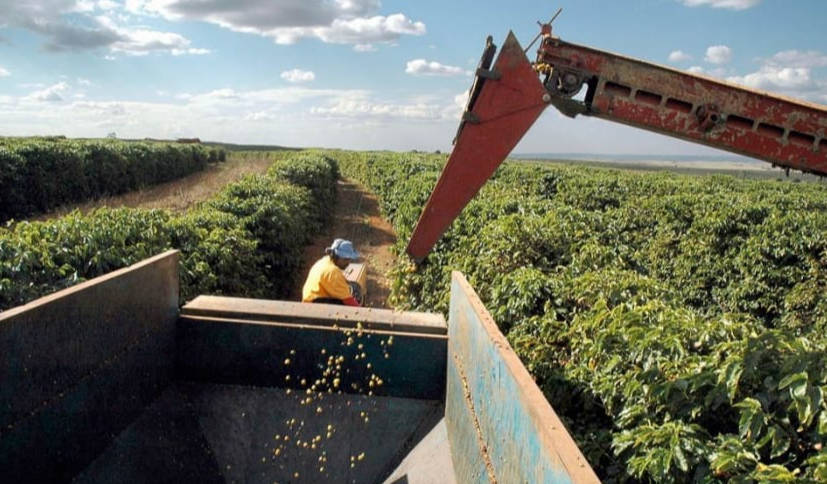
International specialty development has accelerated dramatically. Countries that were purely commodity exporters twenty years ago—Brazil, Vietnam, Indonesia—now have vibrant domestic specialty scenes and compete effectively for quality-conscious consumers. South Korea, China, and various Middle Eastern markets have developed specialty cultures that in some ways exceed Western precedents in sophistication and scale.
The environmental and ethical dimensions of specialty coffee face increasing scrutiny. The movement's founding rhetoric emphasized farmer partnerships and sustainability, but critics question whether premiums actually reach producers in meaningful amounts. The carbon footprint of transporting coffee globally, the water consumption of washed processing, and the packaging waste from single-serve formats all attract criticism that specialty brands cannot ignore.
My assessment of specialty coffee's trajectory is guardedly optimistic. The movement has genuinely improved coffee quality, consumer awareness, and—at least partially—farmer outcomes compared to pure commodity trading. However, the specialty segment faces maturation challenges familiar from other artisan movements: maintaining quality focus amid scale pressure, navigating corporate consolidation while preserving values, and reaching mainstream consumers without alienating core enthusiasts.
The most significant opportunity lies in demonstrating that specialty principles can achieve scale without compromise. If companies can prove that quality, sustainability, and profitability align rather than conflict, specialty coffee offers a model applicable beyond the beverage industry. If specialty values prove incompatible with mainstream success, the movement may remain a small premium segment while commodity coffee continues dominating consumption.
What remains clear is that specialty coffee has demonstrated possibilities that did not exist fifty years ago. The ongoing project is extending those possibilities further—toward more farmers, more consumers, and more sustainable practices. The trajectory of the next fifty years depends on whether the specialty community can fulfill its aspirations.

Isabella Romano
Emma Johnson is a coffee expert with years of experience in brewing techniques, coffee culture, and the global coffee industry. She has extensive knowledge of coffee origins, roasting methods, equipment, and preparation practices, and regularly shares insights, guides, and tips to help enthusiasts and beginners enhance their coffee experience.
You Might Also Like
Comments
-
 Reply
ReplyIsabella Romano
Jun 23, 2025, 11:45 am
I’ve been experimenting with different brewing methods for a few months, and this guide really helped me understand the nuances between pour-over and French press. The tips on water temperature and grind size were especially useful. Thanks for sharing such a detailed article!
-
 Reply
ReplyRonda Otoole
Jun 23, 2025, 11:45 am
As a beginner, I often struggle with choosing the right coffee beans. This post broke down the flavor profiles clearly and gave practical advice on selecting beans based on taste preferences. I feel much more confident in my next purchase now.
 Reply
ReplyJames Whitley
Jun 23, 2025, 11:45 am
Loved the section about sustainable coffee practices! It’s great to see articles that not only focus on brewing but also educate readers on ethical sourcing and environmental impact. Definitely inspired me to try beans from local fair-trade roasters.
-
 Reply
ReplyKimberly Chretien
Jun 23, 2025, 11:45 am
I tried some of the latte art tips from this blog, and even though I’m still a beginner, my coffee looks way better now. The step-by-step instructions and real-world examples made it really easy to follow. Can’t wait to try more techniques!
-
 Reply
ReplyIsabella Romano
Jun 23, 2025, 11:45 am
I really appreciate how this post explains coffee concepts in a simple, approachable way. The breakdown of aroma, acidity, and body helped me understand why different coffees taste the way they do. It’s the kind of article I’ll come back to whenever I try a new bean.