

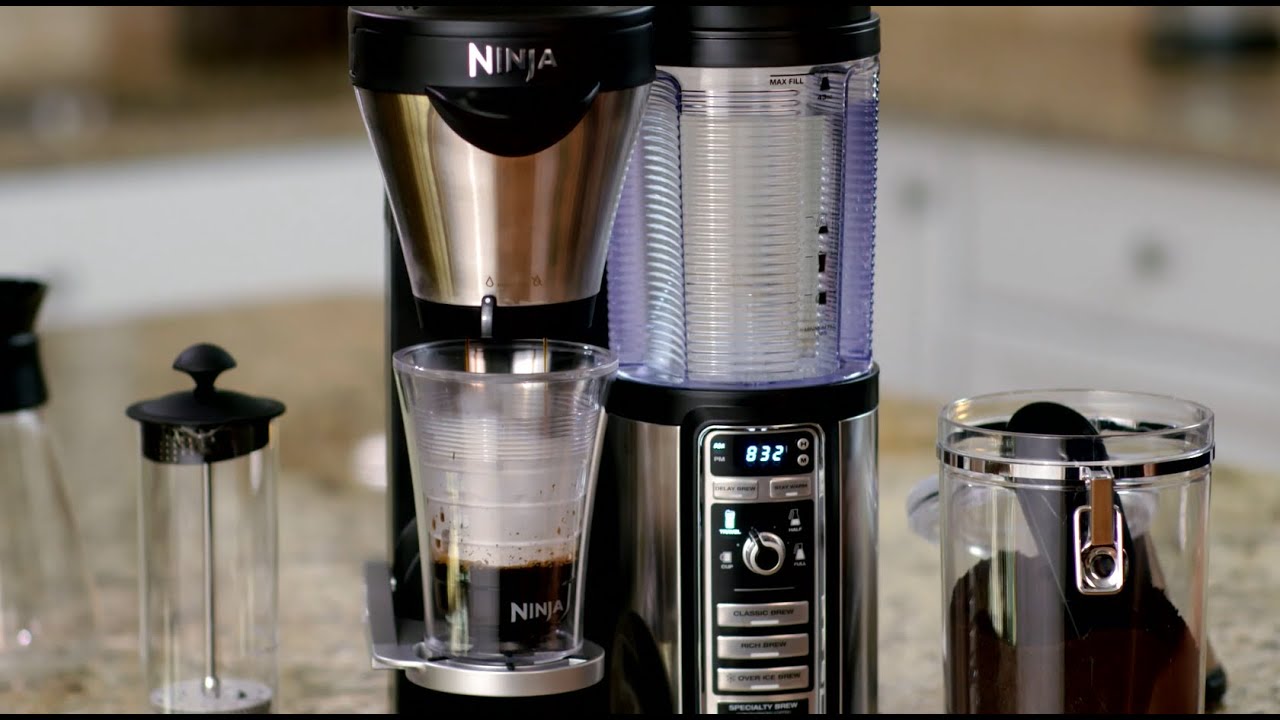
Water constitutes over 98% of brewed coffee, making its composition critical to extraction and flavor. Understanding water chemistry principles and developing appropriate water strategies enables professionals to optimize brewing results regardless of source water quality. Water represents perhaps the most overlooked yet impactful variable in specialty coffee.
Water chemistry affects coffee brewing through multiple mechanisms. Mineral content influences extraction efficiency; pH affects perceived acidity; hardness affects equipment longevity. These interconnected effects make water management a foundational concern.
I approach water as a primary ingredient rather than neutral medium. The composition of water fundamentally shapes what extracts and how the cup tastes; ignoring water chemistry ignores a major quality variable.
Total dissolved solids in water affect extraction dynamics. Some mineral content aids extraction by helping dissolve coffee compounds; excessive minerals may inhibit extraction or introduce undesirable flavors. Optimal TDS ranges enable efficient extraction without negative effects.
I target TDS ranges appropriate for coffee extraction, typically 75-150 ppm for brewing water. This range provides mineral content that aids extraction while avoiding levels that interfere with coffee flavor expression.
Mineral composition matters beyond total content. Calcium and magnesium affect extraction differently; bicarbonates buffer acidity. Understanding specific mineral effects enables targeted water formulation beyond simple TDS management.
I consider specific mineral composition when formulating water, balancing calcium and magnesium for optimal extraction and managing bicarbonates for appropriate acidity presentation. This detailed attention produces superior results to simple TDS matching.
pH affects both extraction and perceived flavor. Lower pH water may produce brighter cups; higher pH water may mute acidity. pH management enables flavor profile manipulation beyond extraction efficiency concerns.
I monitor and sometimes adjust water pH based on desired cup profile, recognizing that pH affects how acidity presents even when extraction efficiency is optimized. This pH awareness adds a flavor management dimension.
Source water assessment establishes the starting point for water strategy. Municipal water, well water, and various filtered or bottled waters present different characteristics requiring different approaches. Assessment enables appropriate response.
I test source water regularly, assessing TDS, mineral composition, and pH. This assessment reveals what treatment or supplementation is needed to achieve target brewing water specifications.
Filtration approaches remove undesirable compounds while potentially affecting mineral content. Carbon filtration removes chlorine and organic compounds; reverse osmosis removes nearly everything requiring subsequent mineralization. Filtration selection balances purification goals with practical considerations.
I select filtration appropriate to source water characteristics and operational needs. This filtration strategy addresses water problems without creating new issues or excessive complexity.
Water formulation using mineral additions enables precise control over brewing water composition. Starting with reverse osmosis or distilled water and adding specific minerals produces consistent, optimized water regardless of source variability.
I formulate water using measured mineral additions when consistency and optimization matter most. This formulation approach ensures that water composition supports rather than limits brewing quality.
Equipment considerations affect water strategy. Espresso machines have specific water requirements for longevity; scale buildup damages equipment and affects performance. Water strategy must balance brewing optimization with equipment protection.
I develop water strategies that serve both brewing quality and equipment longevity, recognizing that equipment damage from inappropriate water ultimately compromises quality. This balanced approach ensures sustainable excellence.
Consistency through water management enables meaningful technique optimization. When water varies, other adjustments may compensate for water rather than optimize extraction. Stable water enables systematic improvement.
I prioritize water consistency as foundation for other optimization. This stability enables technique refinement that builds knowledge rather than constantly adapting to water variation.
Cost-benefit analysis guides water strategy investment. Elaborate water treatment produces excellent results but involves cost and complexity; simpler approaches may provide most benefits with less investment. Strategy should match operation scale and goals.
I calibrate water strategy investment to operation context, implementing complexity appropriate to scale and quality goals. This pragmatic approach ensures that water management serves rather than burdens operations.
My professional conclusion is that water chemistry fundamentally affects brewing quality in ways that merit serious attention. Understanding water principles and implementing appropriate management strategies enables extraction optimization that technique alone cannot achieve. Water excellence underlies brewing excellence.

Ethan Carter
Emma Johnson is a coffee expert with years of experience in brewing techniques, coffee culture, and the global coffee industry. She has extensive knowledge of coffee origins, roasting methods, equipment, and preparation practices, and regularly shares insights, guides, and tips to help enthusiasts and beginners enhance their coffee experience.
You Might Also Like
Comments
-
 Reply
ReplyEthan Carter
Jun 23, 2025, 11:45 am
I’ve been experimenting with different brewing methods for a few months, and this guide really helped me understand the nuances between pour-over and French press. The tips on water temperature and grind size were especially useful. Thanks for sharing such a detailed article!
-
 Reply
ReplyRonda Otoole
Jun 23, 2025, 11:45 am
As a beginner, I often struggle with choosing the right coffee beans. This post broke down the flavor profiles clearly and gave practical advice on selecting beans based on taste preferences. I feel much more confident in my next purchase now.
 Reply
ReplyJames Whitley
Jun 23, 2025, 11:45 am
Loved the section about sustainable coffee practices! It’s great to see articles that not only focus on brewing but also educate readers on ethical sourcing and environmental impact. Definitely inspired me to try beans from local fair-trade roasters.
-
 Reply
ReplyKimberly Chretien
Jun 23, 2025, 11:45 am
I tried some of the latte art tips from this blog, and even though I’m still a beginner, my coffee looks way better now. The step-by-step instructions and real-world examples made it really easy to follow. Can’t wait to try more techniques!
-
 Reply
ReplyEthan Carter
Jun 23, 2025, 11:45 am
I really appreciate how this post explains coffee concepts in a simple, approachable way. The breakdown of aroma, acidity, and body helped me understand why different coffees taste the way they do. It’s the kind of article I’ll come back to whenever I try a new bean.