


Coffee freshness degrades inevitably from the moment of roasting—the aromatic compounds that define quality volatilize, oils oxidize, and structural changes progress regardless of storage conditions. Understanding degradation mechanisms and implementing optimal storage protocols extends the window of peak quality while ensuring that customers receive coffee at its best.
Roasted coffee degradation involves multiple simultaneous processes. Carbon dioxide outgassing from roasting continues for days; aromatic compound volatilization proceeds continuously; lipid oxidation develops stale flavors; moisture absorption from ambient humidity affects both flavor and physical properties. Each process operates on different timescales.
I approach freshness management by understanding each degradation mechanism and its timeline. This mechanistic understanding enables targeted intervention rather than generic storage that may address some concerns while neglecting others.
Oxygen exposure accelerates multiple degradation pathways. Aromatic compounds oxidize to produce stale flavors; lipid oxidation creates rancidity; reactive compounds degrade. Oxygen exclusion is the single most important storage intervention for extending freshness.
I implement oxygen exclusion through vacuum sealing, nitrogen flushing, or oxygen-absorbing packaging depending on scale and application. This oxygen management dramatically extends the window of acceptable quality.
Light exposure degrades coffee through photochemical reactions that affect both flavor and appearance. UV light is particularly damaging, but visible light also contributes to degradation. Light exclusion protects against a common storage hazard.
I store coffee in opaque containers or light-protected locations, eliminating light exposure that would accelerate degradation. This simple intervention addresses a degradation pathway that transparent storage ignores.
Temperature affects degradation reaction rates following general chemistry principles. Higher temperatures accelerate all degradation processes; lower temperatures slow them. Temperature management extends freshness when properly implemented.
I store coffee at cool temperatures when extended storage is necessary, understanding that temperature reduction slows degradation without eliminating it. This temperature management extends acceptable quality windows significantly.
Moisture management affects both flavor stability and physical properties. Coffee is hygroscopic, absorbing moisture from humid environments; absorbed moisture affects extraction and accelerates certain degradation pathways. Humidity control protects against moisture-related problems.
I control storage humidity through sealed containers, desiccants, or climate-controlled storage depending on environmental conditions and storage duration. This moisture management prevents degradation that humid conditions would accelerate.
Freezing whole bean coffee dramatically extends freshness by slowing all degradation processes to near-zero rates. Properly implemented freezing can preserve quality for months or years. However, improper freezing protocols create moisture problems that compromise quality.
I freeze coffee when extended storage is necessary, using protocols that prevent condensation during removal from freezing. This careful freezing approach extends quality windows dramatically while avoiding moisture damage.
Ground coffee degrades far more rapidly than whole bean due to dramatically increased surface area. The freshness window for ground coffee is measured in minutes to hours rather than days to weeks. Grinding should occur immediately before brewing whenever possible.
I grind immediately before brewing for all specialty applications, recognizing that pre-ground convenience cannot justify the quality compromise. This grinding discipline maximizes the quality that proper storage preserves.
Packaging selection affects freshness preservation capability. One-way valve bags allow degassing while preventing oxygen entry; nitrogen-flushed packaging displaces oxygen; vacuum packaging removes oxygen but may affect bean structure. Packaging selection should match storage requirements.
I select packaging based on storage duration and quality requirements, using appropriate technologies for each application. This packaging awareness ensures that storage containers support rather than undermine freshness goals.
Inventory management affects overall freshness by determining how long coffee sits before use. First-in-first-out rotation, appropriate order quantities, and consumption rate awareness ensure that coffee moves through inventory before significant degradation occurs.
I manage inventory to minimize storage duration, ordering quantities appropriate to consumption rates and rotating stock to use oldest coffee first. This inventory discipline ensures that storage optimization isn't undermined by excessive storage duration.
Freshness communication sets appropriate customer expectations. Sharing roast dates, recommending usage windows, and explaining freshness importance enables customers to maximize the quality they receive. Education supports quality throughout the supply chain.
I communicate freshness information transparently, including roast dates and usage recommendations with all coffee sales. This transparency enables customers to enjoy coffee at its best while building trust through honest communication.
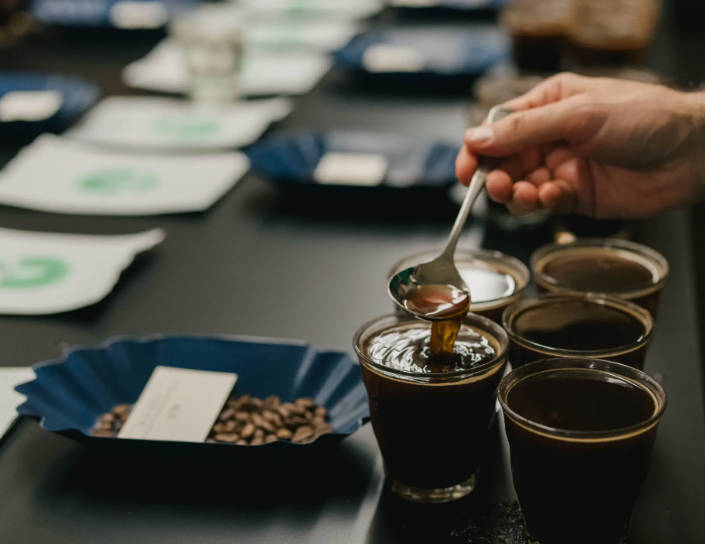
Quality monitoring through regular cupping detects degradation before it becomes obvious to customers. Systematic evaluation of stored coffee identifies when quality crosses acceptable thresholds, enabling appropriate response before customer experience suffers.
I cup stored coffee regularly, comparing against fresh reference samples to detect degradation. This monitoring discipline ensures that quality standards are maintained throughout storage periods.
My professional conclusion is that freshness management requires understanding degradation mechanisms and implementing targeted interventions. Oxygen exclusion, light protection, temperature management, and moisture control each address specific degradation pathways; comprehensive storage protocols address all pathways to maximize the quality window.

Sophia Reynolds
Emma Johnson is a coffee expert with years of experience in brewing techniques, coffee culture, and the global coffee industry. She has extensive knowledge of coffee origins, roasting methods, equipment, and preparation practices, and regularly shares insights, guides, and tips to help enthusiasts and beginners enhance their coffee experience.
You Might Also Like
Comments
-
 Reply
ReplySophia Reynolds
Jun 23, 2025, 11:45 am
I’ve been experimenting with different brewing methods for a few months, and this guide really helped me understand the nuances between pour-over and French press. The tips on water temperature and grind size were especially useful. Thanks for sharing such a detailed article!
-
 Reply
ReplyRonda Otoole
Jun 23, 2025, 11:45 am
As a beginner, I often struggle with choosing the right coffee beans. This post broke down the flavor profiles clearly and gave practical advice on selecting beans based on taste preferences. I feel much more confident in my next purchase now.
 Reply
ReplyJames Whitley
Jun 23, 2025, 11:45 am
Loved the section about sustainable coffee practices! It’s great to see articles that not only focus on brewing but also educate readers on ethical sourcing and environmental impact. Definitely inspired me to try beans from local fair-trade roasters.
-
 Reply
ReplyKimberly Chretien
Jun 23, 2025, 11:45 am
I tried some of the latte art tips from this blog, and even though I’m still a beginner, my coffee looks way better now. The step-by-step instructions and real-world examples made it really easy to follow. Can’t wait to try more techniques!
-
 Reply
ReplySophia Reynolds
Jun 23, 2025, 11:45 am
I really appreciate how this post explains coffee concepts in a simple, approachable way. The breakdown of aroma, acidity, and body helped me understand why different coffees taste the way they do. It’s the kind of article I’ll come back to whenever I try a new bean.