

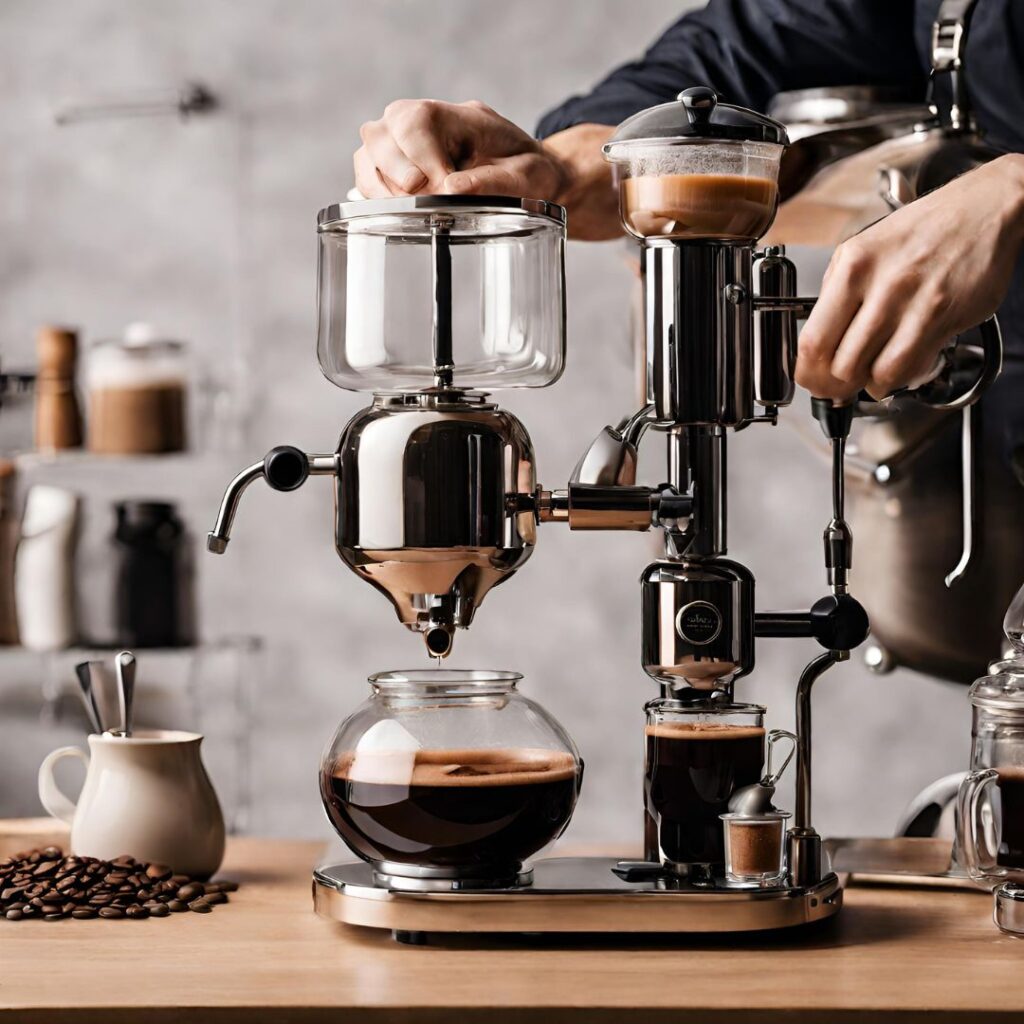
Siphon brewing combines theatrical presentation with exceptional cup quality—the dramatic vacuum-powered process produces remarkably clean, complex coffee while providing visual spectacle that engages customers and elevates the specialty coffee experience. Understanding siphon mechanics and developing consistent technique enables professionals to leverage this method's unique capabilities.
The siphon operates through basic physics: heating water in the lower chamber creates vapor pressure that forces water upward through a tube into the upper chamber where it meets coffee grounds. Removing heat creates vacuum that draws brewed coffee back through a filter into the lower chamber. This elegant mechanism produces distinctive results.
I appreciate siphon brewing for both its cup quality and its engagement potential. The visible process creates customer connection that other methods cannot match; the resulting cup justifies the theatrical investment. This combination of spectacle and substance makes siphon valuable in specialty contexts.
Heat source selection affects both practical operation and final results. Traditional alcohol burners provide gentle, consistent heat but require careful management; butane burners offer more control and faster heating; halogen beam heaters provide precise temperature control with dramatic visual effect. Source selection shapes the experience.
I prefer halogen heaters for their precision and visual impact—the focused beam creates dramatic lighting while enabling temperature control impossible with flame sources. This combination of aesthetic and practical benefits justifies the additional equipment investment for serious siphon programs.
Filter selection between cloth and paper affects cup character significantly. Cloth filters allow more oils and fine particles through, producing fuller body; paper filters create cleaner cups with brighter clarity. Each filter type produces legitimate but distinct results.
I maintain both filter options, selecting based on coffee characteristics and customer preferences. Cloth filters suit coffees where body enhances the experience; paper filters highlight delicate complexity. This intentional selection aligns filter effects with specific coffees.
Cloth filter maintenance requires disciplined care. Residual coffee oils oxidize and produce off-flavors; inadequate cleaning compromises subsequent brews. Proper storage between uses—typically in cold water—prevents drying and flavor development. Maintenance discipline is non-negotiable.
I establish rigorous cloth filter protocols including immediate post-use cleaning, proper storage, and regular replacement schedules. This maintenance discipline ensures that cloth filter benefits remain available without the off-flavor risks that careless handling creates.
Water temperature in the upper chamber affects extraction significantly. Water arriving in the upper chamber may be slightly below boiling; maintaining appropriate brewing temperature requires attention to heat management throughout the process. Temperature monitoring enables consistency.
I monitor temperature throughout siphon brewing, adjusting heat to maintain target ranges in the upper chamber. This active temperature management ensures consistent extraction regardless of ambient conditions or equipment variations.
Grind size for siphon brewing typically falls in the medium range—coarser than espresso but finer than French press. The relatively short contact time and filter characteristics suggest medium grinds that extract efficiently without over-extraction. Calibration through tasting refines specific settings.
I calibrate siphon grind based on filter type and target brew time, adjusting based on cup evaluation rather than theoretical recommendations. This empirical approach accounts for specific equipment, coffee, and preference variables that generic guidance cannot address.
Brew time for siphon methods typically ranges from 45 seconds to 90 seconds in the upper chamber. Shorter times may under-extract; extended times risk over-extraction and temperature loss. Consistent timing enables reproducible results.
I target brew times appropriate to specific coffees and filter types, using timers to ensure consistency across brews. This disciplined timing approach enables systematic optimization and reproducible quality.
Stirring technique affects extraction evenness and rate. Initial stirring ensures complete saturation; subsequent stirring accelerates extraction. Stirring vigor should match overall timing goals—more aggressive stirring for shorter brews, gentler stirring for extended contact.
I develop coffee-specific stirring protocols, documenting technique alongside other variables. This systematic approach enables refinement over time and ensures that successful approaches inform ongoing practice.
Draw-down initiation timing affects final extraction. Removing heat too early may leave under-extracted coffee; delayed removal allows over-extraction during extended upper-chamber time. Optimal timing produces balanced extraction at draw-down completion.
I time heat removal to achieve target brew duration, accounting for the brief additional extraction that occurs during draw-down. This precise timing ensures that the complete process produces intended extraction levels.
Draw-down observation provides quality feedback. Clean, complete draw-down indicates proper preparation; slow or incomplete draw-down suggests grind or filter issues. Observing draw-down behavior enables real-time quality assessment.
I observe each draw-down carefully, noting speed and completeness. Deviations from expected behavior trigger investigation and adjustment; consistent draw-down confirms proper technique and preparation.
Service timing for siphon coffee requires attention to temperature. The lower chamber may be quite hot immediately after draw-down; brief resting allows temperature to reach optimal drinking range. However, extended delay allows cooling that compromises enjoyment.
I serve siphon coffee promptly after brief temperature stabilization, ensuring customers receive the brew at optimal drinking temperature. This attention to service timing completes the quality chain that siphon brewing initiates.
Customer engagement during siphon brewing represents a unique opportunity. The visible, dramatic process invites explanation and education; customers watching the brew develop often ask questions that enable deeper engagement than other methods allow.
I leverage siphon brewing's theatrical nature for customer education, explaining the process while it unfolds. This engagement opportunity builds appreciation for specialty coffee generally while showcasing specific coffee characteristics.
My professional assessment is that siphon brewing occupies a unique position in specialty coffee—combining exceptional cup quality with theatrical engagement in ways no other method matches. The investment in equipment, training, and maintenance produces returns in both cup quality and customer experience that justify the commitment for specialty-focused operations.

Ethan Carter
Emma Johnson is a coffee expert with years of experience in brewing techniques, coffee culture, and the global coffee industry. She has extensive knowledge of coffee origins, roasting methods, equipment, and preparation practices, and regularly shares insights, guides, and tips to help enthusiasts and beginners enhance their coffee experience.
You Might Also Like
Comments
-
 Reply
ReplyEthan Carter
Jun 23, 2025, 11:45 am
I’ve been experimenting with different brewing methods for a few months, and this guide really helped me understand the nuances between pour-over and French press. The tips on water temperature and grind size were especially useful. Thanks for sharing such a detailed article!
-
 Reply
ReplyRonda Otoole
Jun 23, 2025, 11:45 am
As a beginner, I often struggle with choosing the right coffee beans. This post broke down the flavor profiles clearly and gave practical advice on selecting beans based on taste preferences. I feel much more confident in my next purchase now.
 Reply
ReplyJames Whitley
Jun 23, 2025, 11:45 am
Loved the section about sustainable coffee practices! It’s great to see articles that not only focus on brewing but also educate readers on ethical sourcing and environmental impact. Definitely inspired me to try beans from local fair-trade roasters.
-
 Reply
ReplyKimberly Chretien
Jun 23, 2025, 11:45 am
I tried some of the latte art tips from this blog, and even though I’m still a beginner, my coffee looks way better now. The step-by-step instructions and real-world examples made it really easy to follow. Can’t wait to try more techniques!
-
 Reply
ReplyEthan Carter
Jun 23, 2025, 11:45 am
I really appreciate how this post explains coffee concepts in a simple, approachable way. The breakdown of aroma, acidity, and body helped me understand why different coffees taste the way they do. It’s the kind of article I’ll come back to whenever I try a new bean.