

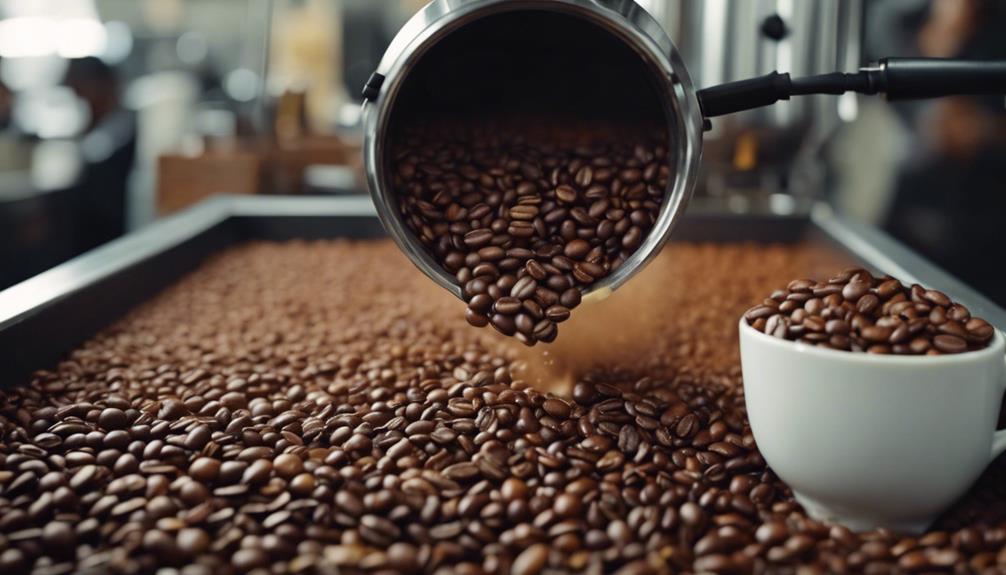
Single-origin espresso showcases specific coffee characteristics without the blending that traditional espresso employs for balance. This approach celebrates terroir, processing, and varietal uniqueness while demanding adjusted technique to extract optimal results from coffees not designed for espresso's intensity. Understanding single-origin espresso principles enables professionals to expand their espresso programs beyond traditional blends.
Traditional espresso blends combine coffees to achieve balance, body, and consistency—characteristics suited to the intense extraction that espresso represents. Single-origin espresso abandons this safety net, exposing individual coffee characteristics without complementary components to moderate extremes.
I appreciate single-origin espresso for its educational value and distinctive experiences. The approach reveals how individual coffees express through concentrated extraction while challenging baristas to extract optimally without blend-provided forgiveness.
Coffee selection for single-origin espresso should consider how characteristics will translate to concentrated form. Bright, acidic coffees become intensely vibrant; heavy, chocolatey coffees become deeply rich. Selection should align with desired cup character rather than assuming all coffees suit espresso.
I evaluate coffees specifically for espresso potential, considering how their characteristics will concentrate. This selective approach ensures that single-origin espresso offerings showcase coffee strengths rather than exposing limitations.
Roast approach for single-origin espresso may differ from filter-intended roasts. Slightly deeper development may moderate acidity that becomes aggressive in espresso concentration; roasting specifically for espresso optimizes single-origin results.
I work with roasters to develop espresso-specific single-origin roasts when possible, or select from available roasts those with characteristics suited to espresso extraction. This intentional selection improves single-origin espresso outcomes.
Grind calibration for single-origin espresso requires coffee-specific adjustment. Different densities, moisture contents, and cellular structures extract differently; single-origin programs must recalibrate grind for each coffee rather than using universal settings.
I calibrate grind specifically for each single-origin espresso, recognizing that optimal extraction parameters vary by coffee. This coffee-specific calibration ensures that each origin expresses optimally through espresso.
Extraction parameters for single-origin espresso may differ from blend standards. Lighter roasted origins may benefit from higher temperatures and longer ratios; darker origins may require temperature reduction. Parameter flexibility enables optimization.
I adjust extraction parameters—temperature, pressure profile, ratio—based on specific coffee characteristics. This flexible approach enables each single-origin espresso to express its unique character rather than forcing all coffees through identical parameters.
Ratio adjustments for single-origin espresso often trend longer than traditional espresso. Ratios of 1:2.5 or even 1:3 may better express certain coffees than traditional 1:2 ratios. Longer ratios moderate intensity while revealing complexity.
I experiment with ratios for each single-origin espresso, often finding that longer extractions produce more balanced and expressive results than traditional parameters would suggest. This ratio flexibility expands single-origin espresso possibilities.
Temperature profiling for single-origin espresso enables nuanced extraction control. Declining temperature profiles may suit certain coffees; flat profiles may better serve others. Temperature manipulation adds an optimization dimension.
I explore temperature profiling for single-origin espresso when equipment permits, noting how temperature variation throughout extraction affects expression of specific coffee characteristics.
Milk compatibility varies significantly across single-origins. Bright, fruity coffees may clash with milk; rich, chocolatey coffees may harmonize beautifully. Understanding milk compatibility guides menu recommendations and recipe development.
I evaluate each single-origin espresso for milk compatibility, developing appropriate milk drink recipes or recommending espresso-only service based on coffee characteristics. This intentional approach ensures positive customer experiences.
Rotation strategy for single-origin espresso programs balances variety with operational complexity. Frequent rotation provides diversity but challenges consistency; less frequent rotation enables optimization but may bore customers seeking variety.
I develop rotation schedules that balance variety and optimization, allowing sufficient time to dial in each coffee while maintaining program freshness. This strategic rotation approach sustains customer interest while enabling quality.
Educational opportunities around single-origin espresso enhance customer experience. The distinctive characteristics invite explanation; comparative tastings reveal origin differences dramatically. Education deepens appreciation.
I leverage single-origin espresso for customer education, using the concentrated format to demonstrate how origin affects flavor. This educational approach builds customer sophistication while differentiating program offerings.
Pricing for single-origin espresso should reflect the premium coffee costs and additional technique requirements. Premium pricing communicates quality while covering the costs that distinctive offerings require.
I price single-origin espresso at premium levels that reflect coffee quality and preparation expertise. This pricing approach ensures program sustainability while signaling quality to discerning customers.
My professional conclusion is that single-origin espresso expands espresso possibilities beyond traditional blend constraints while demanding technique flexibility that challenges barista skills. The approach rewards both coffee appreciation and extraction expertise, producing distinctive experiences that differentiate specialty programs and delight customers seeking unique coffee expressions.

Ethan Carter
Emma Johnson is a coffee expert with years of experience in brewing techniques, coffee culture, and the global coffee industry. She has extensive knowledge of coffee origins, roasting methods, equipment, and preparation practices, and regularly shares insights, guides, and tips to help enthusiasts and beginners enhance their coffee experience.
You Might Also Like
Comments
-
 Reply
ReplyEthan Carter
Jun 23, 2025, 11:45 am
I’ve been experimenting with different brewing methods for a few months, and this guide really helped me understand the nuances between pour-over and French press. The tips on water temperature and grind size were especially useful. Thanks for sharing such a detailed article!
-
 Reply
ReplyRonda Otoole
Jun 23, 2025, 11:45 am
As a beginner, I often struggle with choosing the right coffee beans. This post broke down the flavor profiles clearly and gave practical advice on selecting beans based on taste preferences. I feel much more confident in my next purchase now.
 Reply
ReplyJames Whitley
Jun 23, 2025, 11:45 am
Loved the section about sustainable coffee practices! It’s great to see articles that not only focus on brewing but also educate readers on ethical sourcing and environmental impact. Definitely inspired me to try beans from local fair-trade roasters.
-
 Reply
ReplyKimberly Chretien
Jun 23, 2025, 11:45 am
I tried some of the latte art tips from this blog, and even though I’m still a beginner, my coffee looks way better now. The step-by-step instructions and real-world examples made it really easy to follow. Can’t wait to try more techniques!
-
 Reply
ReplyEthan Carter
Jun 23, 2025, 11:45 am
I really appreciate how this post explains coffee concepts in a simple, approachable way. The breakdown of aroma, acidity, and body helped me understand why different coffees taste the way they do. It’s the kind of article I’ll come back to whenever I try a new bean.