
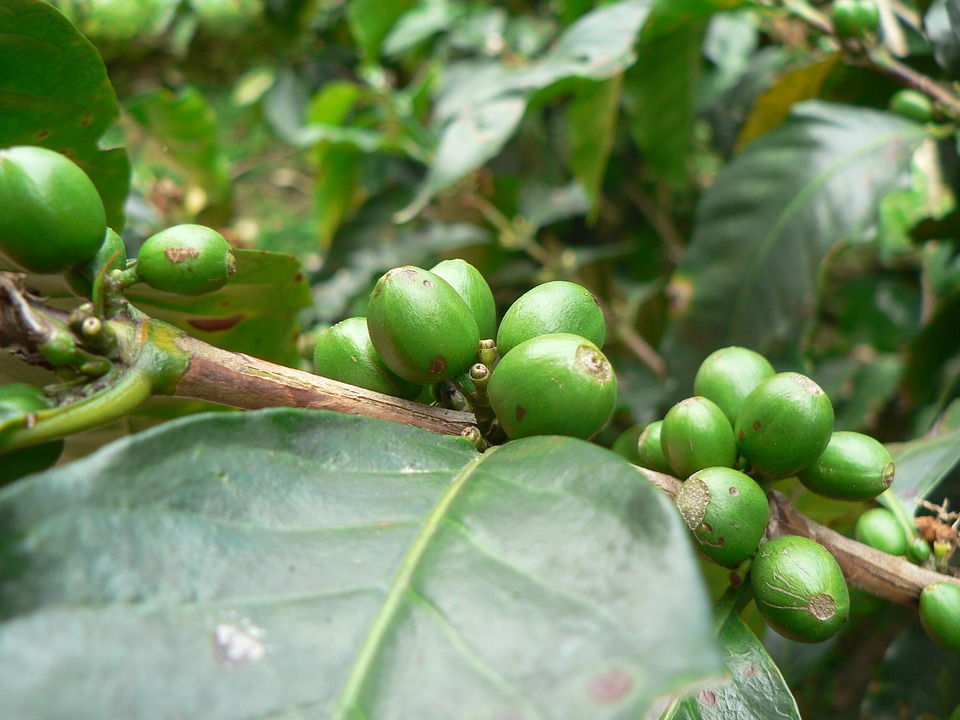
Rarity commands premiums across luxury markets, and specialty coffee has enthusiastically embraced scarcity as a value proposition. Limited releases, micro-lots, exclusive partnerships, waiting lists, and allocation systems have proliferated, creating perception that the best single origin coffees are necessarily rare and that rarity signals quality. Having operated within these market dynamics for years—creating scarcity positioning and observing its effects—I have developed a critical perspective on how rarity functions in single origin coffee versus what marketing narratives suggest.
Genuine rarity exists in coffee. Certain micro-climates produce tiny quantities of exceptional quality; certain varietals yield limited volumes even when successfully cultivated; certain processing experiments produce unreplicable results. When I encounter a coffee that is truly exceptional and truly limited, the scarcity is real and the premium is justified. Such coffees represent perhaps 1-2% of what the market positions as rare.
The remaining 'rare' coffees reflect constructed rather than inherent scarcity. A roaster purchases a 50-bag lot, releases it as a limited edition of 200 retail bags, and creates artificial scarcity that did not exist at the farm level. A trader allocates a larger lot across multiple buyers, each of whom markets their portion as an exclusive partnership. A farm designates a small section as a 'micro-lot' not because it produces distinctly better quality but because micro-lot positioning supports higher prices.
I have participated in these constructions and observed their market effects. Consumers respond to scarcity signals with increased urgency and decreased price resistance. The fear of missing out drives purchasing decisions more powerfully than quality assessment. Limited releases sell out faster than standard offerings even when blind comparison reveals no quality difference. Scarcity works as a marketing mechanism regardless of its authenticity.
The relationship between rarity and quality deserves critical examination. Genuinely excellent coffee can be produced in substantial quantities—a well-managed farm with appropriate scale can produce thousands of bags of exceptional quality. Genuinely rare coffee can be mediocre—tiny production from a difficult site does not guarantee that the coffee is worth pursuing. The correlation between rarity and quality exists but is far weaker than marketing implies.
Some market rarities reflect logistical difficulty rather than inherent limitation. A coffee from a remote region with poor infrastructure may be 'rare' in consuming markets simply because export is challenging—the scarcity tells you about supply chain friction, not about cup quality. I have cupped logistically rare coffees that were entirely ordinary and abundant coffees that were exceptional.
Competition success creates artificial rarity through a different mechanism. When a coffee wins a major competition, demand for that specific lot often exceeds supply regardless of how much was produced. The competition creates the rarity by concentrating demand rather than reflecting production limitation. Subsequent years from the same producer may be equally excellent but command lower prices because the competition spotlight moved elsewhere.
The auction format reinforces rarity perception. Coffees sold through auction achieve prices reflecting competitive bidding dynamics that may diverge from quality-based valuation. A coffee that fetches record auction prices becomes 'the coffee that sold for X dollars per pound,' and that narrative creates rarity independent of production volume. The auction price becomes the story, and the story creates perceived scarcity.
For consumers, I recommend skepticism toward scarcity claims and evaluation based on actual cup quality rather than availability anxiety. When a roaster announces a limited release, consider whether the limitation is inherent or constructed. Taste the coffee if possible before buying; if not, rely on trusted evaluation rather than scarcity signaling. The coffees that most deserve your attention are excellent coffees, not simply rare ones.
The best purchasing strategy I have developed involves identifying roasters who consistently source high-quality coffee rather than chasing individual rare lots. A roaster with strong sourcing relationships and reliable quality standards will provide better overall coffee experiences than random pursuit of marketed rarities. Relationship with a trusted roaster serves you better than scarcity-driven purchasing.
From an industry perspective, the rarity game carries costs. The emphasis on scarcity and exclusivity positions specialty coffee as inaccessible, potentially alienating consumers who might otherwise engage. The premiums commanded by rare positioning often do not reach producers proportionally—roasters and traders capture the scarcity value that marketing creates. The narrative that the best coffee is necessarily rare undermines appreciation for excellent coffees available at accessible volumes and prices.
My conclusion is that rarity in single origin coffee should be evaluated critically rather than accepted as an automatic quality signal. Genuine rarity—coffee that is both limited in production and exceptional in quality—deserves recognition and premium pricing. Constructed rarity—marketing-generated scarcity that does not reflect inherent limitation or quality distinction—deserves skepticism. Developing the discernment to distinguish genuine from constructed rarity enables better purchasing decisions and healthier market dynamics.
The coffee that most deserves your attention is the coffee that tastes exceptional to you, delivers value appropriate to its price, and comes from sources whose practices you respect. Whether that coffee is rare or abundant matters less than whether it satisfies these criteria. Building your coffee practice around quality rather than scarcity ultimately produces better experiences and supports healthier industry economics.

Daniel Carter
Emma Johnson is a coffee expert with years of experience in brewing techniques, coffee culture, and the global coffee industry. She has extensive knowledge of coffee origins, roasting methods, equipment, and preparation practices, and regularly shares insights, guides, and tips to help enthusiasts and beginners enhance their coffee experience.
You Might Also Like
Comments
-
 Reply
ReplyDaniel Carter
Jun 23, 2025, 11:45 am
I’ve been experimenting with different brewing methods for a few months, and this guide really helped me understand the nuances between pour-over and French press. The tips on water temperature and grind size were especially useful. Thanks for sharing such a detailed article!
-
 Reply
ReplyRonda Otoole
Jun 23, 2025, 11:45 am
As a beginner, I often struggle with choosing the right coffee beans. This post broke down the flavor profiles clearly and gave practical advice on selecting beans based on taste preferences. I feel much more confident in my next purchase now.
 Reply
ReplyJames Whitley
Jun 23, 2025, 11:45 am
Loved the section about sustainable coffee practices! It’s great to see articles that not only focus on brewing but also educate readers on ethical sourcing and environmental impact. Definitely inspired me to try beans from local fair-trade roasters.
-
 Reply
ReplyKimberly Chretien
Jun 23, 2025, 11:45 am
I tried some of the latte art tips from this blog, and even though I’m still a beginner, my coffee looks way better now. The step-by-step instructions and real-world examples made it really easy to follow. Can’t wait to try more techniques!
-
 Reply
ReplyDaniel Carter
Jun 23, 2025, 11:45 am
I really appreciate how this post explains coffee concepts in a simple, approachable way. The breakdown of aroma, acidity, and body helped me understand why different coffees taste the way they do. It’s the kind of article I’ll come back to whenever I try a new bean.