


Sustainability has become perhaps the most invoked yet least examined term in specialty coffee marketing. After fifteen years working across coffee supply chains—from farm-level sourcing in six producing countries to consulting for roasters and retailers on sustainability programs—I have developed a deeply nuanced perspective on what sustainability actually means in single origin contexts, and where the rhetoric diverges dramatically from reality.
The sustainability claims attached to single origin coffee typically fall into three categories: environmental stewardship, economic viability for farmers, and social development at origin. Each deserves rigorous examination rather than reflexive acceptance. My experience has consistently shown that the relationship between single origin sourcing and genuine sustainability outcomes is far more complex than marketing narratives suggest.
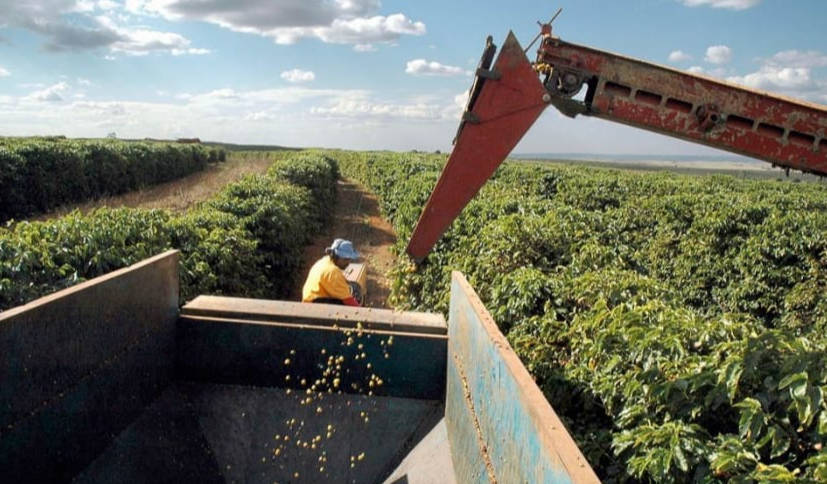
Environmentally, single origin programs can indeed incentivize beneficial practices. I have visited farms in Colombia, Guatemala, and Ethiopia where premium pricing enabled by single origin recognition directly funded shade-grown cultivation systems, soil regeneration projects, and biodiversity conservation efforts. On one memorable visit to a cooperative in Huehuetenango, Guatemala, I witnessed how traceability premiums had financed the replanting of native shade trees across 200 hectares, creating habitat corridors for migratory birds while improving soil health and coffee quality simultaneously.
However, these positive outcomes are emphatically not automatic consequences of single origin sourcing. They require intentional program design, long-term buyer commitment, and verification mechanisms that most single origin purchases lack entirely. The uncomfortable truth is that a coffee labeled 'single origin' may come from farms practicing aggressive deforestation, intensive chemical application, or extractive agricultural methods that degrade land over time. Geographic specificity alone tells us nothing about environmental practices.
I conducted an informal analysis of fifty single origin coffees from prominent specialty roasters, examining what environmental information was actually communicated to consumers. Fewer than 15% provided any specific information about cultivation practices, shade coverage, or environmental certifications. The remaining 85% relied entirely on origin romance—beautiful descriptions of mountains and valleys—without substantive environmental claims. This pattern suggests that environmental sustainability, while sometimes present, is rarely the actual basis for single origin value propositions.
Economically, single origin programs theoretically improve farmer livelihoods through premium pricing and direct relationships. The logic is compelling: by identifying specific farms or cooperatives and paying above-commodity prices, buyers create incentives for quality investment while providing economic stability. In practice, these benefits materialize unevenly and depend heavily on program structure.
I have witnessed genuinely transformative economic relationships. A long-term partnership I helped establish between a Portland roaster and a family farm in Costa Rica provided consistent pricing at 80% above commodity rates over seven years, enabling the family to invest in processing equipment, diversify income through coffee tourism, and send two children to university. The stability of this relationship—not merely the price premium—proved most valuable, allowing multi-year planning impossible under spot-market purchasing.
But I have also seen single origin programs that extracted value rather than creating it. One particularly troubling case involved a cooperative in East Africa that invested heavily in quality improvements and traceability systems to meet a specialty buyer's requirements, only to have the buyer switch origins the following year when a competing cooperative offered slightly lower prices. The original cooperative was left with debt from infrastructure investments and no market for the quality-focused production they had developed. This is not an isolated incident—the specialty coffee industry's constant pursuit of novelty creates systematic instability that undermines the economic security single origin sourcing supposedly provides.
The power dynamics embedded in single origin relationships deserve critical examination. Farmers and cooperatives typically have limited negotiating leverage, especially smaller producers without alternative market access. Buyers often dictate terms—quality specifications, delivery timelines, documentation requirements—with little reciprocal obligation. The transparency that single origin sourcing provides flows primarily in one direction: buyers can trace and verify farmer practices, but farmers rarely have meaningful visibility into buyer operations, margins, or decision-making processes.
Social sustainability encompasses the broadest and most difficult-to-assess claims. Programs that genuinely improve community welfare—through healthcare access, educational support, infrastructure development, and social services—require sustained investment far beyond price premiums. I have seen effective social programs, typically run by larger importers or dedicated NGOs, that integrate coffee purchasing with comprehensive community development. These programs work because they recognize that sustainability requires addressing systemic challenges—lack of healthcare, inadequate education, poor infrastructure—that coffee pricing alone cannot solve.
More commonly, I encounter social sustainability claims that amount to little more than farmer photos on packaging and vague references to 'supporting communities.' Without specific programs, measurable outcomes, and independent verification, these claims are essentially unverifiable marketing copy. The consumer has no way to distinguish genuine social impact from performative storytelling.
A critical insight from my work is that sustainability cannot be reliably inferred from origin alone. The geographic specificity that defines single origin coffee provides no inherent sustainability assurance. A coffee from a named farm might be sustainably produced—or might come from a farm with labor violations, environmental degradation, and economically desperate farmers. The single origin designation tells us where the coffee came from, not how it was produced or what impact its production generated.
What actually matters for sustainability are factors largely invisible to consumers: contract terms (length, price mechanisms, risk sharing), verification systems (third-party audits, certification programs), investment programs (farmer training, infrastructure support, community development), and relationship continuity (multi-year commitments, responsive partnership). These elements require deliberate program design and sustained organizational commitment—they do not emerge automatically from purchasing coffee with geographic specificity.
The certification landscape offers partial solutions but introduces its own complexities. Organic, Fair Trade, Rainforest Alliance, and other certifications provide some verification of specific practices, but certification standards vary widely, audit quality is inconsistent, and the cost burden often falls on farmers rather than buyers. I have visited certified farms with genuinely excellent practices and certified farms where certification seemed more bureaucratic exercise than meaningful commitment. The certification label, like the single origin label, provides useful but incomplete information.
My recommendation for consumers genuinely concerned about sustainability is to look beyond single origin designations to the underlying relationships and programs. Roasters who maintain long-term partnerships, publish transparent pricing data, invest in farmer support programs, and provide specific (not generic) sustainability information demonstrate genuine commitment. Those who rely entirely on origin romance and beautiful photography, without substantive programmatic details, are likely prioritizing marketing over impact.
For industry professionals, I argue that we must hold ourselves to higher standards than current practice typically achieves. Single origin sourcing has real potential to improve sustainability outcomes—but only when designed intentionally around sustainability goals rather than quality differentiation and marketing appeal alone. This requires longer-term thinking, genuine partnership (not mere purchasing), investment in farmer capacity, and honest acknowledgment of the limitations of what transactional relationships can achieve.
My conclusion after years of immersion in these questions is that single origin coffee can support genuine sustainability when paired with intentional practices, long-term commitment, and verified outcomes. Without these elements, sustainability claims risk becoming another narrative overlay—a story we tell ourselves and our customers that makes us feel good while changing little at origin. The choice between meaningful sustainability and performative sustainability is ours to make, but making it wisely requires looking far beyond the origin label on the bag.

Daniel Carter
Emma Johnson is a coffee expert with years of experience in brewing techniques, coffee culture, and the global coffee industry. She has extensive knowledge of coffee origins, roasting methods, equipment, and preparation practices, and regularly shares insights, guides, and tips to help enthusiasts and beginners enhance their coffee experience.
You Might Also Like
Comments
-
 Reply
ReplyDaniel Carter
Jun 23, 2025, 11:45 am
I’ve been experimenting with different brewing methods for a few months, and this guide really helped me understand the nuances between pour-over and French press. The tips on water temperature and grind size were especially useful. Thanks for sharing such a detailed article!
-
 Reply
ReplyRonda Otoole
Jun 23, 2025, 11:45 am
As a beginner, I often struggle with choosing the right coffee beans. This post broke down the flavor profiles clearly and gave practical advice on selecting beans based on taste preferences. I feel much more confident in my next purchase now.
 Reply
ReplyJames Whitley
Jun 23, 2025, 11:45 am
Loved the section about sustainable coffee practices! It’s great to see articles that not only focus on brewing but also educate readers on ethical sourcing and environmental impact. Definitely inspired me to try beans from local fair-trade roasters.
-
 Reply
ReplyKimberly Chretien
Jun 23, 2025, 11:45 am
I tried some of the latte art tips from this blog, and even though I’m still a beginner, my coffee looks way better now. The step-by-step instructions and real-world examples made it really easy to follow. Can’t wait to try more techniques!
-
 Reply
ReplyDaniel Carter
Jun 23, 2025, 11:45 am
I really appreciate how this post explains coffee concepts in a simple, approachable way. The breakdown of aroma, acidity, and body helped me understand why different coffees taste the way they do. It’s the kind of article I’ll come back to whenever I try a new bean.