

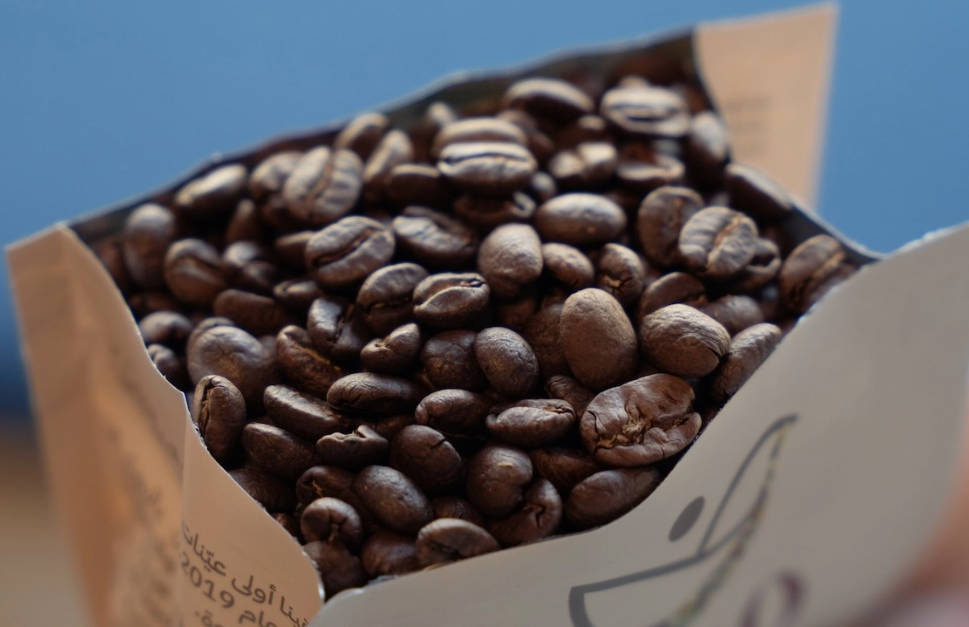
Freshness has become one of specialty coffee's most emphasized quality indicators, with roast dates prominently displayed and consumers trained to prioritize recently roasted coffee. Yet after years of managing roasting schedules, conducting controlled freshness experiments, and observing how different coffees evolve post-roast, I have concluded that the industry's freshness discourse dramatically oversimplifies a complex phenomenon. Understanding what freshness actually means for single origin coffee—and when it matters versus when it does not—enables better purchasing decisions and reduces unnecessary waste.
The standard freshness narrative goes something like this: coffee is best within two to three weeks of roasting, degassing makes recently roasted coffee difficult to brew, and any coffee more than a month old is stale and should be avoided. While these guidelines contain truth, they obscure significant variation based on origin characteristics, processing method, roast level, packaging, storage conditions, and brewing application. Treating freshness as a simple countdown from roast date misses most of what actually determines whether a specific coffee will satisfy.
Degassing—the release of carbon dioxide produced during roasting—is real and affects brewing. Freshly roasted coffee releases CO2 during extraction, creating turbulence that can interfere with even extraction and producing cups with unsettled, sometimes harsh characteristics. However, degassing rates vary enormously. Darker roasts degas faster than lighter roasts due to their more porous cell structure. Natural-processed coffees often degas more slowly than washed coffees. Higher-density coffees from elevated origins retain gas longer than lower-density coffees.
I have conducted extensive testing comparing the same coffees at different post-roast intervals. A light-roasted Ethiopian natural that was aggressive and unsettled at five days often peaked at three to four weeks, developing integration and clarity that the fresh coffee lacked. A medium-roasted Colombian washed coffee might perform well at ten days and decline noticeably by six weeks. A dark-roasted Brazilian coffee designed for espresso often peaked within the first week. There is no universal freshness timeline—each coffee has its own trajectory.
The peak performance window varies based on brewing method as well. Espresso extraction, with its high pressure and short contact time, is more sensitive to degassing than filter brewing. A coffee that produces chaotic, gassy espresso at one week may make excellent pour-over at the same age. Immersion methods like French press are generally more forgiving of both fresh and aged coffee than percolation methods. Matching freshness expectations to brewing application improves outcomes more than adhering to generic timelines.
Storage conditions often matter more than time since roasting. Coffee's primary enemies are oxygen, moisture, heat, and light. A properly packaged coffee stored in cool, dark conditions can maintain quality for months; an improperly stored coffee can degrade noticeably within days. I have cupped three-month-old coffees that outperformed two-week-old coffees due to superior packaging and storage. The industry's focus on roast date without equal emphasis on storage conditions creates misleading quality expectations.
Packaging technology has transformed what is possible. Valve bags that allow degassing while preventing oxygen ingress extend quality windows significantly. Nitrogen-flushed packaging removes oxygen from the package environment. Vacuum sealing, while potentially crushing beans if applied too aggressively, can preserve quality for extended periods. Advanced packaging does not make freshness irrelevant, but it changes the timeline substantially.
The commodity coffee industry has exploited the freshness discourse to position specialty coffee as inconvenient—a product that goes bad quickly and requires careful management. This framing serves their interest in products with extended shelf life. But specialty coffee professionals have sometimes overcorrected, treating freshness anxiety as a marker of discernment rather than addressing it with accurate information. The result is consumers who feel guilty using coffee that is actually performing well and waste that serves no quality purpose.
From a practical purchasing perspective, I recommend these guidelines: For filter brewing, coffee typically performs well from approximately one week to six weeks post-roast, with variation based on the specific coffee. For espresso, narrower windows apply—often one to four weeks depending on roast level. Whole bean coffee maintains freshness dramatically longer than pre-ground; grinding immediately before brewing provides more quality benefit than obsessing over roast date. Storage in airtight containers away from heat and light matters more than counting days.
The concept of 'stale' coffee deserves interrogation. What consumers often perceive as staleness is actually underdevelopment in extraction rather than degradation in the coffee. Older coffee sometimes requires grind adjustment—typically finer—to achieve optimal extraction. When extraction is adjusted appropriately, coffee that seemed stale may produce satisfying results. Before concluding that coffee has degraded, adjusting brewing parameters is worth attempting.
Single origin coffees with more developed roast profiles tend to maintain quality longer than very light roasts. The Maillard reaction products that develop during roasting are more stable than the delicate aromatics that light roasting preserves. This is not an argument against light roasting—those aromatics are valuable and worth pursuing—but a recognition that different roast approaches have different freshness trajectories. Consumers who prefer light-roasted single origins may need to manage freshness more carefully than those preferring more developed roasts.
Green coffee freshness, distinct from roast freshness, also affects single origin quality but receives less consumer attention. Green coffee is a seasonal agricultural product that degrades over time, losing acidity brightness and developing baggy, faded characteristics. A coffee roasted fresh from old-crop green will not match the same coffee roasted from fresh-crop green, regardless of post-roast freshness management. The industry's new-crop announcements and seasonal availability reflect this reality, though consumers often lack visibility into green coffee age.
My professional conclusion is that freshness matters for coffee quality, but the industry's discourse has been oversimplified in ways that create anxiety without improving outcomes. Understanding the factors that actually affect how coffee evolves post-roast—origin characteristics, processing, roast level, packaging, storage, brewing method—enables intelligent freshness management rather than calendar-based rules. The goal is not minimizing time since roasting but drinking coffee within its optimal performance window, which varies significantly based on the specific coffee and how you intend to brew it.
For consumers, I recommend focusing on purchasing quantities you will consume within reasonable timeframes, storing properly, and paying attention to how specific coffees perform at different post-roast intervals rather than applying universal rules. For the industry, I suggest more nuanced freshness communication that helps consumers understand what actually matters rather than reinforcing simplistic timelines that create unnecessary waste and anxiety.

Daniel Carter
Emma Johnson is a coffee expert with years of experience in brewing techniques, coffee culture, and the global coffee industry. She has extensive knowledge of coffee origins, roasting methods, equipment, and preparation practices, and regularly shares insights, guides, and tips to help enthusiasts and beginners enhance their coffee experience.
You Might Also Like
Comments
-
 Reply
ReplyDaniel Carter
Jun 23, 2025, 11:45 am
I’ve been experimenting with different brewing methods for a few months, and this guide really helped me understand the nuances between pour-over and French press. The tips on water temperature and grind size were especially useful. Thanks for sharing such a detailed article!
-
 Reply
ReplyRonda Otoole
Jun 23, 2025, 11:45 am
As a beginner, I often struggle with choosing the right coffee beans. This post broke down the flavor profiles clearly and gave practical advice on selecting beans based on taste preferences. I feel much more confident in my next purchase now.
 Reply
ReplyJames Whitley
Jun 23, 2025, 11:45 am
Loved the section about sustainable coffee practices! It’s great to see articles that not only focus on brewing but also educate readers on ethical sourcing and environmental impact. Definitely inspired me to try beans from local fair-trade roasters.
-
 Reply
ReplyKimberly Chretien
Jun 23, 2025, 11:45 am
I tried some of the latte art tips from this blog, and even though I’m still a beginner, my coffee looks way better now. The step-by-step instructions and real-world examples made it really easy to follow. Can’t wait to try more techniques!
-
 Reply
ReplyDaniel Carter
Jun 23, 2025, 11:45 am
I really appreciate how this post explains coffee concepts in a simple, approachable way. The breakdown of aroma, acidity, and body helped me understand why different coffees taste the way they do. It’s the kind of article I’ll come back to whenever I try a new bean.