

Sensory Training for Specialty Brews: Developing a Professional Palate
October 25, 2025
Sensory capability distinguishes professional coffee practice from amateur enthusiasm—the ability to perceive, identify, and articulate flavor characteristics enables quality evaluation, extraction optimization, and meaningful communication about coffee. Developing professional sensory skills requires structured training that builds perception, memory, and vocabulary systematically.
The sensory system for coffee evaluation encompasses smell, taste, and tactile perception. Aroma provides the most information, with hundreds of identifiable compounds; taste contributes sweet, sour, salty, bitter, and umami; mouthfeel adds body, texture, and astringency. Professional evaluation integrates all channels.
I approach sensory training as skill development rather than natural talent cultivation. While individuals vary in baseline sensitivity, structured practice dramatically improves perception and identification in nearly everyone. This trainability makes sensory expertise accessible through commitment.
Aroma training develops the ability to identify specific aromatic compounds and families. Coffee contains hundreds of aromatic molecules; learning to recognize the most important categories enables meaningful evaluation and communication. Aroma vocabulary builds through systematic exposure and naming.
I train aroma recognition using reference samples and systematic comparison, building vocabulary through repeated exposure to identified aromas. This structured approach develops reliable identification capability more efficiently than unguided exploration.
Taste calibration establishes consistent perception of basic taste qualities. Individual sensitivity to sweet, sour, salty, and bitter varies; understanding personal calibration enables accurate evaluation despite individual differences. Calibration also reveals how taste qualities interact.
I calibrate taste perception using solutions of known concentration, establishing personal references for intensity levels. This calibration enables consistent evaluation across sessions and meaningful comparison with other evaluators.
Mouthfeel assessment develops awareness of tactile characteristics including body, viscosity, astringency, and texture. These qualities significantly affect overall experience but receive less training attention than taste and aroma. Mouthfeel literacy completes sensory capability.
I train mouthfeel perception through comparative evaluation of coffees with different body characteristics, building vocabulary for describing tactile qualities. This mouthfeel focus ensures that textural assessment matches taste and aroma capability.
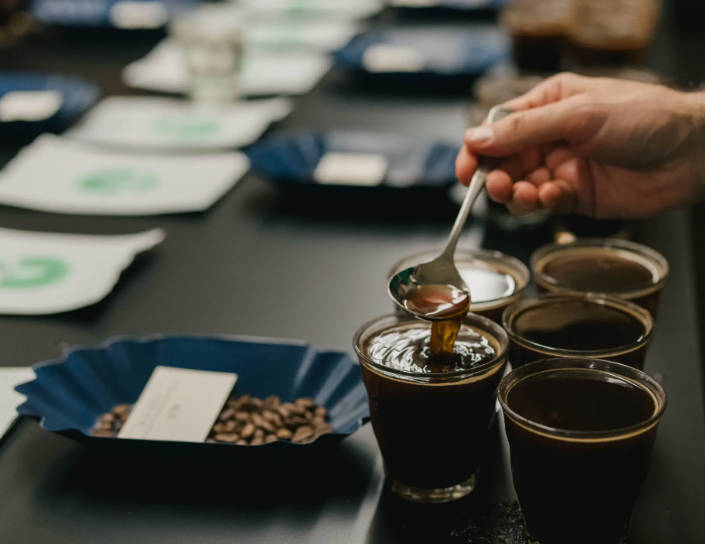
Cupping protocol mastery provides the framework for systematic evaluation. Standard cupping procedures enable consistent assessment across coffees and sessions; protocol adherence ensures that evaluations reflect coffee quality rather than technique variation.
I practice cupping protocol until procedure becomes automatic, ensuring that evaluation attention focuses on sensory perception rather than technique execution. This procedural fluency enables reliable, efficient evaluation.
Triangulation testing develops discrimination capability—the ability to detect differences between similar samples. This skill underlies quality control, consistency monitoring, and subtle optimization work. Discrimination training sharpens perception systematically.
I practice triangulation regularly, challenging discrimination capability with progressively similar samples. This progressive difficulty builds sensitivity that enables detection of subtle differences that casual evaluation would miss.
Flavor wheel familiarity provides shared vocabulary for describing sensory experiences. The specialty coffee flavor wheel organizes descriptors hierarchically, enabling precise communication about specific characteristics. Vocabulary standardization supports meaningful professional discourse.
I study the flavor wheel systematically, associating descriptors with reference experiences and building vocabulary through deliberate practice. This vocabulary development enables precise communication that generic descriptors cannot achieve.
Reference sample maintenance provides consistent benchmarks for evaluation. Natural variation in perception across days and conditions requires stable references for accurate assessment. Reference libraries enable calibration that maintains consistency.
I maintain reference samples for key characteristics, using them to calibrate perception before evaluation sessions. This reference practice ensures that evaluations remain consistent despite natural perception variation.
Blind evaluation discipline prevents bias from affecting assessment. Knowledge of coffee identity, price, or origin can unconsciously influence perception; blind evaluation ensures that assessment reflects actual quality rather than expectations.
I practice blind evaluation routinely, recognizing that even experienced evaluators are susceptible to expectation bias. This discipline ensures that quality assessments reflect coffee characteristics rather than contextual information.
Calibration with other evaluators enables meaningful quality comparison across locations and teams. Individual variation in perception and vocabulary can create inconsistency; group calibration establishes shared standards that enable reliable communication.
I participate in calibration sessions with other professionals, aligning perception and vocabulary with industry standards. This calibration ensures that my evaluations communicate meaningfully to others in the specialty coffee community.
Ongoing practice maintains and develops sensory capability. Like any skill, sensory perception improves with practice and degrades with neglect. Consistent evaluation practice keeps skills sharp and enables continued development.
I evaluate coffee daily, maintaining sensory practice that keeps perception sharp and vocabulary accessible. This consistent practice ensures that sensory capability remains available when quality decisions require it.
My professional conclusion is that sensory training transforms coffee evaluation from subjective impression into reliable professional practice. Systematic skill development through structured training produces evaluation capability that enables quality optimization, consistent production, and meaningful communication about coffee excellence.

Ethan Carter
Emma Johnson is a coffee expert with years of experience in brewing techniques, coffee culture, and the global coffee industry. She has extensive knowledge of coffee origins, roasting methods, equipment, and preparation practices, and regularly shares insights, guides, and tips to help enthusiasts and beginners enhance their coffee experience.
You Might Also Like
Comments
-
 Reply
ReplyEthan Carter
Jun 23, 2025, 11:45 am
I’ve been experimenting with different brewing methods for a few months, and this guide really helped me understand the nuances between pour-over and French press. The tips on water temperature and grind size were especially useful. Thanks for sharing such a detailed article!
-
 Reply
ReplyRonda Otoole
Jun 23, 2025, 11:45 am
As a beginner, I often struggle with choosing the right coffee beans. This post broke down the flavor profiles clearly and gave practical advice on selecting beans based on taste preferences. I feel much more confident in my next purchase now.
 Reply
ReplyJames Whitley
Jun 23, 2025, 11:45 am
Loved the section about sustainable coffee practices! It’s great to see articles that not only focus on brewing but also educate readers on ethical sourcing and environmental impact. Definitely inspired me to try beans from local fair-trade roasters.
-
 Reply
ReplyKimberly Chretien
Jun 23, 2025, 11:45 am
I tried some of the latte art tips from this blog, and even though I’m still a beginner, my coffee looks way better now. The step-by-step instructions and real-world examples made it really easy to follow. Can’t wait to try more techniques!
-
 Reply
ReplyEthan Carter
Jun 23, 2025, 11:45 am
I really appreciate how this post explains coffee concepts in a simple, approachable way. The breakdown of aroma, acidity, and body helped me understand why different coffees taste the way they do. It’s the kind of article I’ll come back to whenever I try a new bean.