

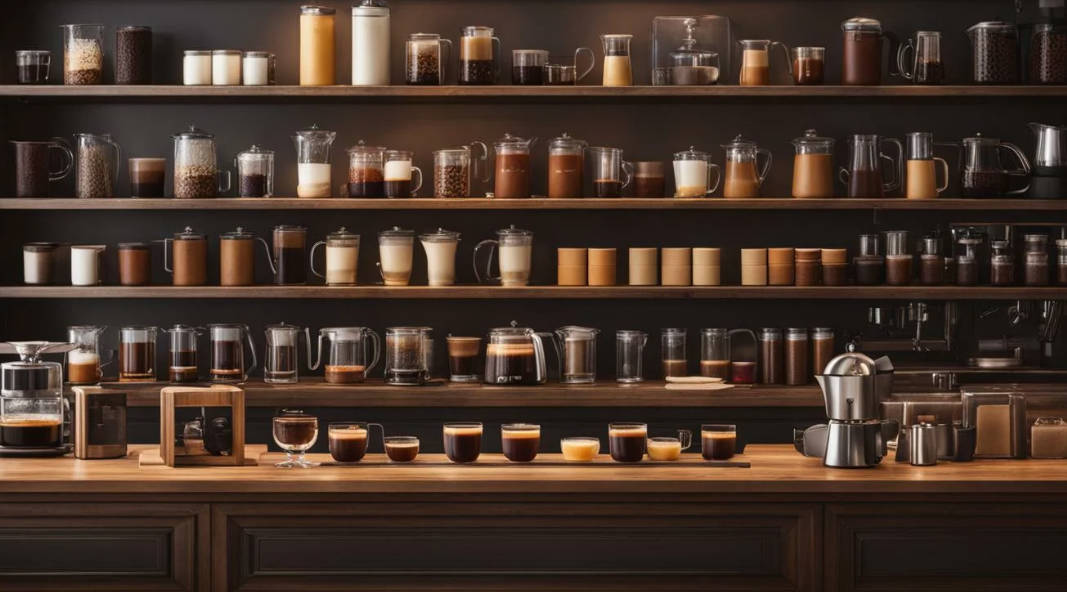
Sensory profiling transforms subjective coffee experience into structured data that enables optimization, communication, and quality management. Moving beyond simple like/dislike assessments to detailed characteristic mapping creates actionable intelligence that drives quality improvement. Professional sensory profiling combines trained perception with systematic methodology.
Sensory profiling differs from casual tasting in both precision and purpose. Where casual tasting produces general impressions, profiling generates specific characteristic identification; where casual tasting satisfies curiosity, profiling informs decisions. This purposeful precision distinguishes professional from amateur evaluation.
I approach sensory profiling as data collection that supports quality decisions. Each profiling session generates information that guides sourcing, roasting, brewing, and communication. This decision-support orientation focuses profiling activity productively.
Descriptor selection shapes what profiling can reveal. Generic descriptors like "good" or "smooth" provide little actionable information; specific descriptors like "jasmine" or "citric acidity" enable precise communication and targeted optimization. Descriptor precision determines profiling utility.
I use precise descriptors drawn from established vocabulary systems, enabling communication that others can understand and replicate. This vocabulary precision transforms personal impression into shareable knowledge.
Intensity scaling adds quantitative dimension to qualitative identification. Noting that a coffee has caramel notes is useful; specifying that caramel intensity rates 6 on a 10-point scale enables comparison and tracking. Scaling enables the numerical analysis that descriptors alone cannot support.
I scale characteristic intensities consistently, using calibrated reference points to ensure that ratings remain consistent across sessions and comparable with other evaluators. This scaling discipline enables quantitative analysis.
Attribute organization structures profiling into comprehensible categories. Grouping descriptors by aroma, taste, and mouthfeel; by positive and negative; or by volatility creates structure that supports analysis. Organization enables pattern recognition that unstructured lists obscure.
I organize profiling data into consistent categories, enabling comparison across coffees and identification of patterns. This categorical organization transforms descriptor lists into analyzable profiles.
Reference calibration ensures that profiling reflects coffee characteristics rather than evaluator variation. Comparing against established references before profiling calibrates perception; regular re-calibration maintains consistency over time.
I calibrate against references before profiling sessions, ensuring that perception remains aligned with established standards. This calibration discipline maintains profiling consistency despite natural perception variation.
Environmental control eliminates factors that might affect profiling accuracy. Consistent lighting, temperature, and absence of competing aromas ensure that profiling reflects coffee characteristics rather than environmental interference.
I profile in controlled environments that eliminate sensory interference, ensuring that recorded characteristics reflect coffee rather than context. This environmental control enables reliable profiling.
Blind evaluation prevents expectation bias from affecting profiling. Knowledge of coffee identity, price, or reputation can unconsciously influence perception; blind evaluation ensures that profiles reflect actual characteristics.
I conduct profiling blind whenever possible, ensuring that recorded profiles reflect sensory reality rather than expectations. This blind discipline produces honest profiles.
Multiple evaluation increases profiling reliability. Single evaluations reflect momentary perception; multiple evaluations across evaluators and sessions reveal consistent characteristics that single assessments might miss or misidentify.
I profile important coffees multiple times, sometimes with multiple evaluators, building reliable profiles from consistent observations. This multiple-assessment approach increases confidence in profiling results.
Temporal profiling tracks how characteristics evolve as coffee cools or ages. Initial hot-cup characteristics differ from cooled-cup characteristics; fresh-roast characteristics differ from aged-roast characteristics. Temporal profiling captures these evolutions.
I profile at multiple temperatures and ages, understanding that coffee characteristics shift over these dimensions. This temporal awareness captures the dynamic nature of coffee experience.
Comparative profiling identifies differences between coffees that individual profiling might not reveal. Side-by-side evaluation highlights contrasts; triangulation testing identifies distinguishable differences. Comparative methods complement individual profiling.
I use comparative methods to identify differences between similar coffees, understanding that contrast often reveals characteristics that individual evaluation overlooks. This comparative approach extends profiling capability.
Profile documentation creates records that enable analysis and communication. Structured recording using consistent formats enables comparison across coffees, times, and evaluators. Documentation transforms ephemeral sensory experience into lasting knowledge.
I document profiles in consistent formats that enable database building and trend analysis. This documentation discipline creates institutional knowledge from individual profiling sessions.
Profile application turns sensory data into action. Profiles inform sourcing decisions, guide roast adjustments, direct brewing optimization, and enable accurate customer communication. Application transforms profiling from academic exercise into practical tool.
I apply profiling results actively, using sensory data to guide operational decisions. This application orientation ensures that profiling investment produces practical returns.
My professional conclusion is that sensory profiling provides the data foundation for specialty coffee excellence. Structured methodology transforms subjective experience into actionable intelligence; disciplined application turns that intelligence into quality improvement. Profiling capability distinguishes operations that systematically improve from those that remain static.

Ethan Carter
Emma Johnson is a coffee expert with years of experience in brewing techniques, coffee culture, and the global coffee industry. She has extensive knowledge of coffee origins, roasting methods, equipment, and preparation practices, and regularly shares insights, guides, and tips to help enthusiasts and beginners enhance their coffee experience.
You Might Also Like
Comments
-
 Reply
ReplyEthan Carter
Jun 23, 2025, 11:45 am
I’ve been experimenting with different brewing methods for a few months, and this guide really helped me understand the nuances between pour-over and French press. The tips on water temperature and grind size were especially useful. Thanks for sharing such a detailed article!
-
 Reply
ReplyRonda Otoole
Jun 23, 2025, 11:45 am
As a beginner, I often struggle with choosing the right coffee beans. This post broke down the flavor profiles clearly and gave practical advice on selecting beans based on taste preferences. I feel much more confident in my next purchase now.
 Reply
ReplyJames Whitley
Jun 23, 2025, 11:45 am
Loved the section about sustainable coffee practices! It’s great to see articles that not only focus on brewing but also educate readers on ethical sourcing and environmental impact. Definitely inspired me to try beans from local fair-trade roasters.
-
 Reply
ReplyKimberly Chretien
Jun 23, 2025, 11:45 am
I tried some of the latte art tips from this blog, and even though I’m still a beginner, my coffee looks way better now. The step-by-step instructions and real-world examples made it really easy to follow. Can’t wait to try more techniques!
-
 Reply
ReplyEthan Carter
Jun 23, 2025, 11:45 am
I really appreciate how this post explains coffee concepts in a simple, approachable way. The breakdown of aroma, acidity, and body helped me understand why different coffees taste the way they do. It’s the kind of article I’ll come back to whenever I try a new bean.