


Seasonal adaptation represents one of the most challenging aspects of signature blend management—maintaining consistent consumer experience despite inevitable variation in component characteristics across harvest cycles. Having navigated seasonal transitions for numerous blend programs, I examine the strategies and systems that enable consistency through change.
The seasonal challenge for signature blends involves fundamental tension between agricultural reality and consumer expectation. Coffee is an agricultural product; its characteristics vary with growing conditions, harvest timing, and processing execution across years. But signature blends promise consistent experience—the same taste profile cup after cup. Reconciling agricultural variation with consistency promise requires active management rather than passive acceptance.
I approach seasonal adaptation with explicit consistency targets derived from the blend's reference profile. What must remain constant for the blend to deliver its promised experience? What can vary without disrupting consumer recognition? These questions distinguish essential characteristics from acceptable variation bands, enabling focused adaptation efforts.
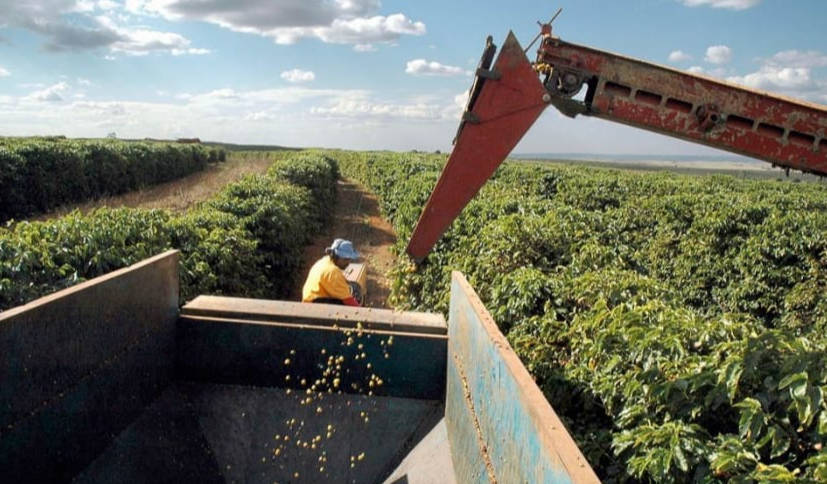
Component tracking begins before new crop arrival, anticipating what might change based on origin reports, preliminary samples, and historical patterns. Understanding expected variation enables proactive planning rather than reactive scrambling when new lots arrive with different characteristics.
I maintain relationships with supply chain partners who provide advance information about upcoming crop characteristics. Pre-shipment samples reveal how new lots compare to previous years, enabling adaptation planning before production decisions must be made. This advance visibility transforms seasonal transition from crisis to planned adjustment.
Evaluation protocols for new crop lots assess not just absolute quality but comparison to previous lots and contribution to blend consistency. A new lot might score well individually but contribute differently to blend character than its predecessor. Blend-specific evaluation reveals these contribution changes.
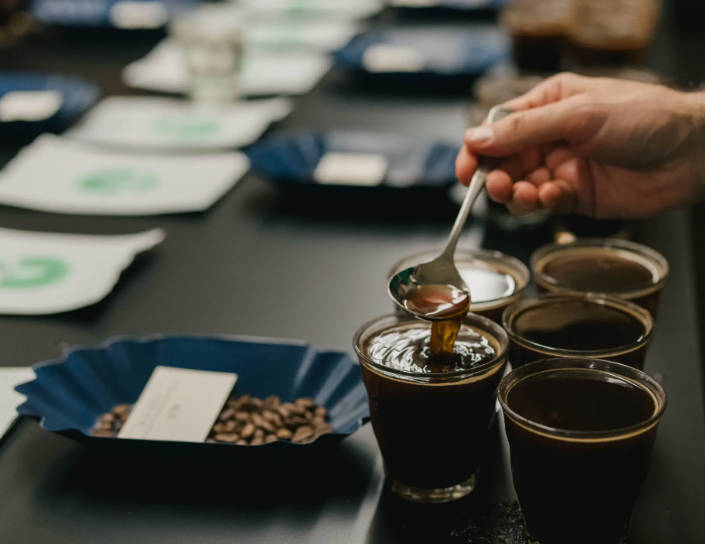
I cup new lots alongside outgoing lots specifically to assess contribution differences, not just quality levels. This comparison reveals what adjustments might be needed—ratio changes, profile modifications, or alternative component sourcing. The comparison focus ensures that evaluation serves consistency objectives rather than generic quality assessment.
Ratio adjustment represents the primary adaptation tool when component characteristics shift. If a new lot contributes less acidity than its predecessor, increasing its ratio or adding supplementary acidity from another component maintains blend balance. If it contributes more body, reducing its ratio prevents balance disruption. Ratio flexibility enables consistency despite component variation.
I document component contributions to blend character so that when characteristics shift, I understand what adjustments might compensate. If Component A provided X contribution and new lots provide Y instead, the documentation indicates what changes might restore intended character. This systematic understanding enables informed adjustment rather than trial-and-error experimentation.
Profile adjustment provides additional adaptation capability when ratio changes alone cannot maintain consistency. Modifying roast parameters for changed components can restore intended contribution despite different green characteristics. A lighter roast might restore acidity that new lot development otherwise suppresses; a longer development might build body that new lot density otherwise limits.
I test profile modifications systematically when new lots require adaptation, evaluating how different parameters affect contribution to blend character. This testing identifies profiles that restore intended contribution despite green coffee differences. The goal is blend consistency, not profile consistency—profiles should change when that serves consistent outcomes.
Alternative sourcing becomes necessary when available lots cannot achieve blend targets through ratio and profile adjustment. Sometimes new crop characteristics diverge too far from requirements; alternative sources that better fit blend needs must be identified. Maintaining sourcing flexibility enables responses to component availability challenges.
I develop backup sourcing relationships for key blend components, identifying alternatives that could substitute if primary sources become unavailable or unsuitable. These relationships require cultivation before they are needed; crisis moments do not allow relationship development time. Proactive backup development provides options when primary sources disappoint.
Transition timing affects consumer experience of seasonal adaptation. Abrupt transitions from old lot to new lot can produce perceptible character shifts; gradual transitions that blend old and new lots together smooth the change. The transition approach should match blend positioning and consumer sensitivity.
I prefer gradual transitions that phase new lots in while phasing old lots out, creating overlap periods where blend character evolves smoothly rather than changing abruptly. This gradualism requires inventory management and production planning but protects consumer experience from jarring transitions.
Documentation of seasonal adaptations creates institutional knowledge that improves future transitions. Recording what changed, what adjustments were made, and how well they worked provides reference for subsequent seasons facing similar challenges. Accumulated adaptation knowledge enables faster, more effective responses over time.
I maintain detailed records of every seasonal adaptation—what component changes triggered adjustment, what ratio or profile modifications were implemented, and how successfully they maintained consistency. Reviewing these records before each new seasonal transition identifies relevant precedents and proven approaches. This learning orientation transforms seasonal challenge from repeated problem-solving to continuous improvement.
Quality verification through the adaptation process ensures that consistency efforts actually achieve intended outcomes. Cupping adapted blends against reference standards reveals whether adjustments successfully maintained target character or whether further modification is needed. This verification closes the adaptation loop.
I implement verification cupping at multiple points through seasonal transitions—after initial adaptation decisions, during production transition, and ongoing through the new crop production period. This ongoing verification catches consistency failures before they reach consumers and enables correction while adjustment options remain available.
My conclusion from managing seasonal adaptations across many blend programs is that consistency through change requires systematic approaches rather than improvisation. The strategies that work—advance visibility, comparison evaluation, ratio flexibility, profile adjustment, alternative sourcing, gradual transitions, adaptation documentation, and ongoing verification—represent investment in processes that deliver consistent consumer experience despite inevitable agricultural variation. Blend programs that master seasonal adaptation deliver on their consistency promises; those that do not eventually disappoint consumers who expected reliability.

Daniel Carter
Emma Johnson is a coffee expert with years of experience in brewing techniques, coffee culture, and the global coffee industry. She has extensive knowledge of coffee origins, roasting methods, equipment, and preparation practices, and regularly shares insights, guides, and tips to help enthusiasts and beginners enhance their coffee experience.
You Might Also Like
Comments
-
 Reply
ReplyDaniel Carter
Jun 23, 2025, 11:45 am
I’ve been experimenting with different brewing methods for a few months, and this guide really helped me understand the nuances between pour-over and French press. The tips on water temperature and grind size were especially useful. Thanks for sharing such a detailed article!
-
 Reply
ReplyRonda Otoole
Jun 23, 2025, 11:45 am
As a beginner, I often struggle with choosing the right coffee beans. This post broke down the flavor profiles clearly and gave practical advice on selecting beans based on taste preferences. I feel much more confident in my next purchase now.
 Reply
ReplyJames Whitley
Jun 23, 2025, 11:45 am
Loved the section about sustainable coffee practices! It’s great to see articles that not only focus on brewing but also educate readers on ethical sourcing and environmental impact. Definitely inspired me to try beans from local fair-trade roasters.
-
 Reply
ReplyKimberly Chretien
Jun 23, 2025, 11:45 am
I tried some of the latte art tips from this blog, and even though I’m still a beginner, my coffee looks way better now. The step-by-step instructions and real-world examples made it really easy to follow. Can’t wait to try more techniques!
-
 Reply
ReplyDaniel Carter
Jun 23, 2025, 11:45 am
I really appreciate how this post explains coffee concepts in a simple, approachable way. The breakdown of aroma, acidity, and body helped me understand why different coffees taste the way they do. It’s the kind of article I’ll come back to whenever I try a new bean.