

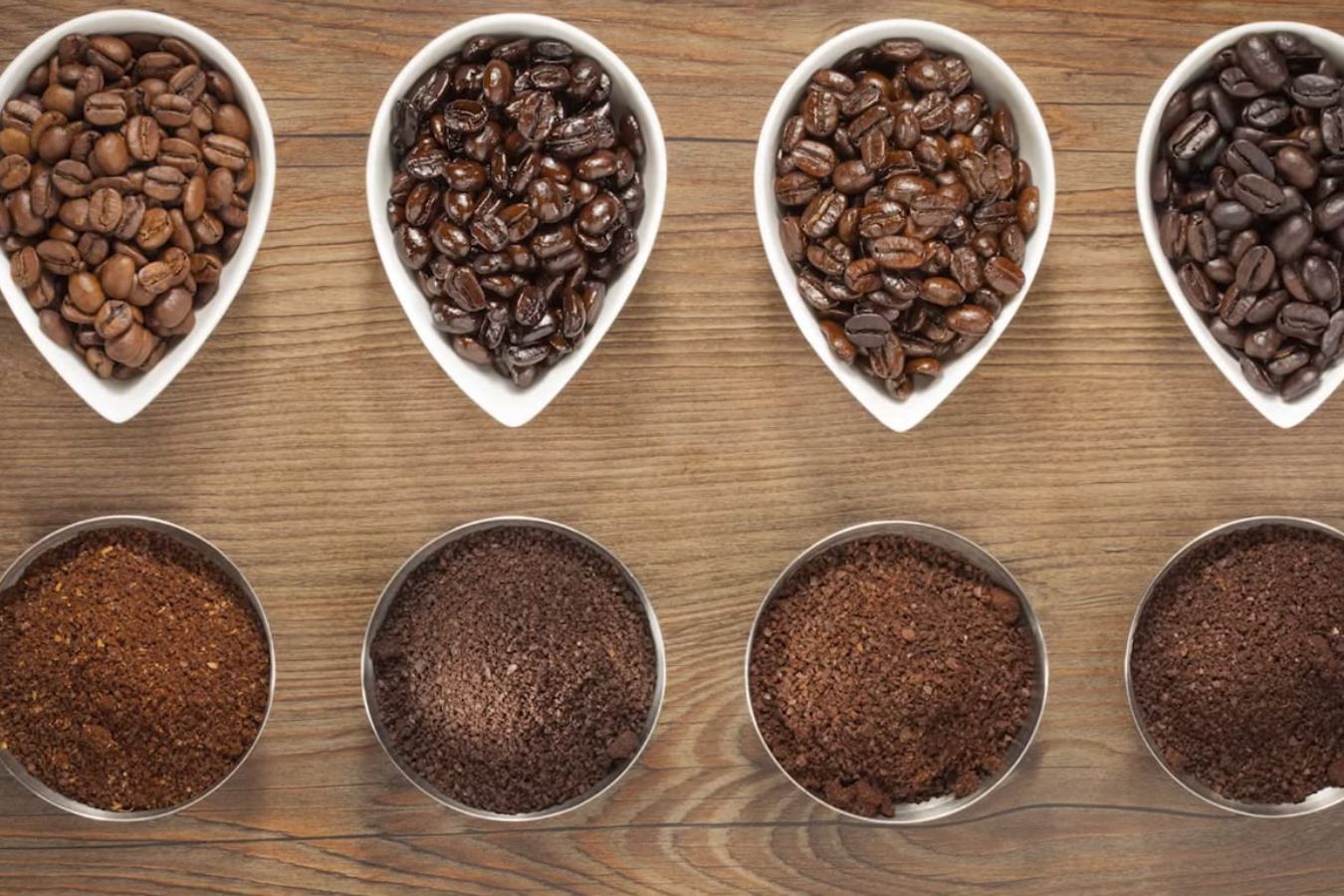
Roast profiling represents the critical transformation point where green coffee potential becomes realized flavor, and for signature blends, this transformation occurs not once but repeatedly across multiple components, each requiring profiles that serve the blend's overall architecture. Having refined roast approaches for numerous blend programs, I examine how profiling decisions shape blend outcomes and how to optimize profiles for blend success.
The fundamental roast profiling consideration for blends involves recognizing that optimal profiles for individual components may not be optimal for blend contribution. A coffee roasted to showcase its individual character might contribute inappropriately to blend balance; a coffee roasted to serve blend architecture might score modestly as a single origin. Blend roasting requires profile development that serves blend objectives rather than individual component showcase.
I approach blend component profiling with explicit contribution targets for each element. What should this component provide to the blend? Bright acidity? Body and sweetness? Aromatic complexity? Finish persistence? The answer determines profile development direction. Profiles are optimized for intended contribution rather than individual quality maximization.
Charge temperature—the drum temperature when beans enter the roaster—establishes the initial heat transfer rate that shapes development trajectory. Higher charge temperatures create aggressive initial heat transfer that can develop surface characteristics quickly; lower charge temperatures create gentler development that preserves delicate compounds. Blend components may warrant different charge approaches depending on their intended contribution.
I vary charge temperature across blend components based on contribution targets. Components intended for bright acidity typically receive lower charge temperatures that preserve their delicate acid compounds; components intended for body typically receive higher charge temperatures that drive development efficiently. This differentiated approach contrasts with standardized charge temperatures across all coffees.
Rate of rise—the temperature increase rate during roasting—affects how heat penetrates the bean and what chemical reactions dominate. Faster rates of rise favor certain reactions; slower rates favor others. The roast's flavor development reflects which reactions received favorable conditions. Understanding rate of rise effects enables intentional flavor manipulation.
I monitor and control rate of rise throughout each roast, adjusting heat application to maintain intended rates. For components contributing brightness, I favor rates that preserve acid compounds. For components contributing body, I favor rates that develop caramelization and Maillard reactions fully. This active rate management produces more intentional results than passive heat application.
Development time—the period after first crack when flavor compounds complete formation—significantly affects flavor intensity and character. Shorter development preserves brightness and origin character; longer development builds body and roast character. For blends, different components may warrant different development to serve their distinct contributions.
I assign development time targets based on component contribution goals. Bright components receive shorter development that preserves their acidity; body components receive longer development that builds their sweetness and weight. This differentiated development creates flavor diversity within the blend that uniform development cannot achieve.
End temperature—the temperature at which roasting stops—determines development completion. Higher end temperatures produce more developed, darker character; lower end temperatures preserve origin brightness. For blends combining components of different target development levels, end temperature varies across components to achieve intended character range.
I roast different blend components to different end temperatures based on their contribution targets. This means blend production involves multiple roast batches with different parameters—more complex operationally but essential for blends requiring character diversity. Single-parameter production across all components limits blend sophistication.
Post-roast cooling affects flavor retention and stability. Rapid cooling locks in developed flavors; slow cooling allows continued development that may shift flavor character. For blends, consistent cooling across components ensures that intended profiles survive the cooling phase without unintended variation.
I implement consistent, rapid cooling protocols across all blend components, minimizing post-roast variation that could disrupt intended flavor balance. This operational discipline ensures that roast profiling intentions translate into actual flavor outcomes rather than being modified by inconsistent cooling.
Blending timing—whether components are blended before or after roasting—creates different outcomes. Pre-blend roasting creates uniform development across all beans but limits the ability to optimize profiles for individual component contributions. Post-blend roasting preserves individual optimization but complicates production logistics. Most quality-focused programs blend post-roast.
I practice post-roast blending exclusively for signature blends, accepting operational complexity in exchange for profile optimization capability. Each component receives its optimal profile before blending combines them. The production logistics are more demanding, but the flavor outcomes justify the complexity.
Profile documentation enables consistency and refinement across production cycles. Recording charge temperature, rate of rise curve, development time, end temperature, and any significant observations creates reference data for future roasts. When blend character drifts, documentation reveals what changed and guides correction.
I maintain detailed profile records for every production roast, tracking not just set points but actual measurements throughout the roast. Trend analysis across production cycles identifies drift before it becomes problematic. This documentation discipline transforms roasting from artisanal guesswork to systematic precision.
Profile evolution responds to green coffee changes over time. As green coffee ages, its roasting behavior changes—typically requiring profile adjustment to maintain intended flavor character. Profiles that worked for fresh crop may over-develop or under-develop aged coffee. Recognizing and responding to these changes maintains blend consistency.
I schedule regular profile review sessions, especially as component lots age or new lots arrive. Cupping current production against reference standards identifies when profile adjustment is needed; systematic testing identifies what adjustments restore intended character. This ongoing refinement maintains blend quality through inevitable green coffee variation.
My conclusion from years of blend profile development is that roasting represents far more than heat application—it is the primary flavor determination point where green potential becomes realized character. Profiles optimized for blend contribution rather than individual showcase produce blends of greater sophistication and consistency. The investment in differentiated profiling, rigorous documentation, and ongoing refinement creates blend programs that achieve their flavor intentions reliably rather than occasionally.

Sophia Reynolds
Emma Johnson is a coffee expert with years of experience in brewing techniques, coffee culture, and the global coffee industry. She has extensive knowledge of coffee origins, roasting methods, equipment, and preparation practices, and regularly shares insights, guides, and tips to help enthusiasts and beginners enhance their coffee experience.
You Might Also Like
Comments
-
 Reply
ReplySophia Reynolds
Jun 23, 2025, 11:45 am
I’ve been experimenting with different brewing methods for a few months, and this guide really helped me understand the nuances between pour-over and French press. The tips on water temperature and grind size were especially useful. Thanks for sharing such a detailed article!
-
 Reply
ReplyRonda Otoole
Jun 23, 2025, 11:45 am
As a beginner, I often struggle with choosing the right coffee beans. This post broke down the flavor profiles clearly and gave practical advice on selecting beans based on taste preferences. I feel much more confident in my next purchase now.
 Reply
ReplyJames Whitley
Jun 23, 2025, 11:45 am
Loved the section about sustainable coffee practices! It’s great to see articles that not only focus on brewing but also educate readers on ethical sourcing and environmental impact. Definitely inspired me to try beans from local fair-trade roasters.
-
 Reply
ReplyKimberly Chretien
Jun 23, 2025, 11:45 am
I tried some of the latte art tips from this blog, and even though I’m still a beginner, my coffee looks way better now. The step-by-step instructions and real-world examples made it really easy to follow. Can’t wait to try more techniques!
-
 Reply
ReplySophia Reynolds
Jun 23, 2025, 11:45 am
I really appreciate how this post explains coffee concepts in a simple, approachable way. The breakdown of aroma, acidity, and body helped me understand why different coffees taste the way they do. It’s the kind of article I’ll come back to whenever I try a new bean.