

Quality control in single origin coffee presents challenges that commodity and blend programs do not face. The very characteristics that make single origin valuable—specific origin identity, distinctive flavor profiles, traceable supply chains—also create quality control complexities that require specialized approaches. Having managed quality across multiple single origin programs, I have developed protocols and perspectives that address these unique challenges.
The fundamental tension in single origin quality control involves balancing origin authenticity with quality consistency. Agricultural products vary naturally—different sections of the same farm, different picking days, different processing batches all produce variation. Achieving consistency requires either accepting narrow selection that may limit volume or blending within origin to smooth variation. Both approaches have implications for how 'single origin' is defined and communicated.
I have worked with programs that define single origin narrowly—specific farm, specific lot, specific processing day—and programs that define it broadly—regional origin with multiple producer sources. Narrow definitions maximize traceability and distinctive character but create significant quality control challenges when the defined lot does not perform as expected. Broad definitions provide more raw material for quality management but may dilute the specificity that justifies single origin positioning.
Green coffee inspection begins quality control before roasting. Professional buyers evaluate moisture content, water activity, density, screen size distribution, and defect rates. These metrics predict roasting behavior and identify storage or transport problems. A coffee with elevated moisture may have experienced improper drying or humid storage; one with excessive defects may reflect poor picking or processing.
I have implemented multi-stage inspection protocols that evaluate green coffee at multiple points: pre-shipment samples from origin, arrival samples at destination port, and warehouse samples before production. Comparing these inspections reveals whether quality degradation occurred during transport—a common problem with single origin coffees that may travel through multiple handling points over extended periods.
Moisture migration during transport presents particular challenges for single origin quality. Coffee shipped from tropical origins to temperate destinations experiences temperature and humidity changes that can cause condensation and moisture absorption. Containers that are not properly ventilated or that experience extreme temperature swings may deliver coffee significantly different from what departed origin. Monitoring transport conditions through data loggers enables accountability when problems occur.
Defect evaluation requires distinguishing between primary defects (severe quality impacts requiring rejection), secondary defects (moderate impacts requiring assessment), and visual irregularities that do not affect cup quality. Professional grading systems like SCA's Green Coffee Classification provide frameworks, but practical application requires judgment about how defects manifest in specific coffees. I have encountered coffees with elevated defect counts that cupped cleanly and coffees with minimal visible defects that revealed flavor problems.
The relationship between green evaluation and cup quality is imperfect—some defects that appear severe produce minimal flavor impact while others that seem minor significantly affect the cup. Full bugs (insect damage), for instance, produce instantly recognizable off-flavors even in low concentrations; some categories of broken beans produce minimal impact unless concentrations are extreme. Experience with specific defect types and their flavor signatures improves evaluation accuracy.
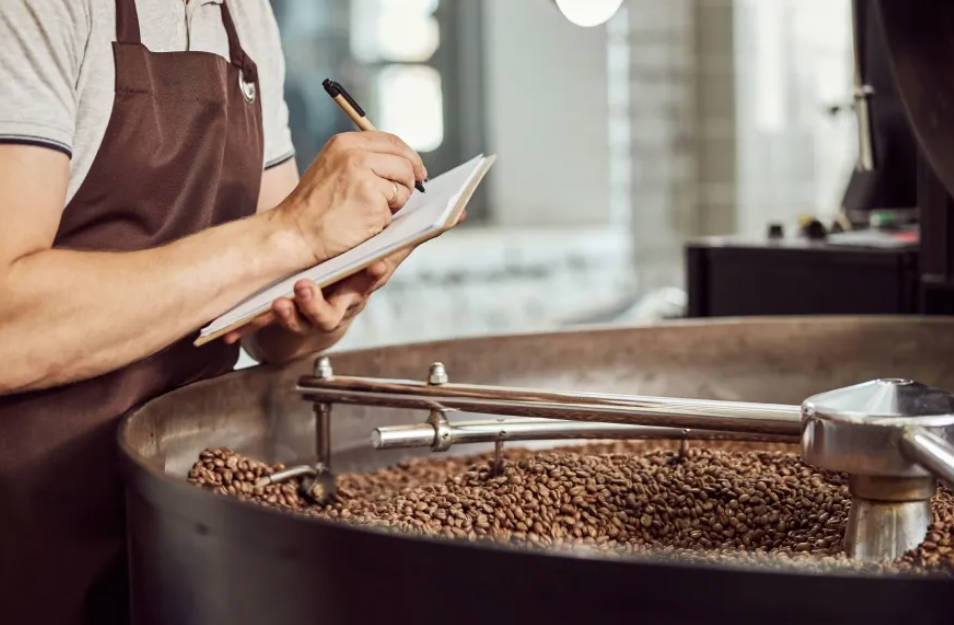
Roast quality control for single origin requires managing variation in green coffee properties. Density, moisture, and screen size affect heat transfer and development timing. A roast profile optimized for one production lot may produce over-developed or under-developed results when applied to a subsequent lot with different properties. Professional roasters monitor incoming green characteristics and adjust profiles accordingly.
I track roast consistency through multiple metrics: drop time, development time ratio, color measurement, and cupping evaluation. Statistical process control approaches—monitoring variation and responding when it exceeds acceptable ranges—enable consistent results even as green coffee properties vary. The goal is not identical roast profiles across batches but consistent cup quality that reflects deliberate adjustment for green variation.
Seasonal evolution presents ongoing quality control challenges. Green coffee ages, losing acidity brightness and developing flat, papery characteristics. A single origin program that extends across many months requires adjusting for this evolution—roast profiles that worked for fresh-crop coffee may need modification as the coffee ages. Some roasters reformulate as needed; others set end-of-lot timelines that prevent selling degraded coffee.
I generally recommend against extending single origin programs beyond the quality window of the specific lot. Consumer expectations for named origins are shaped by fresh-lot experience; delivering aged coffee that no longer represents the origin's character undermines trust even if the coffee remains technically acceptable. Knowing when to conclude a lot rather than maximize sales from degraded inventory demonstrates quality commitment.
Production environment control affects quality more than many roasters acknowledge. Temperature and humidity in the roasting facility influence roast behavior and green coffee storage. Bean cooling rate after roasting affects degassing and shelf stability. Packaging environment cleanliness and timing affect freshness retention. I have audited roasting facilities where environmental factors introduced variation that overwhelmed careful roast profile management.
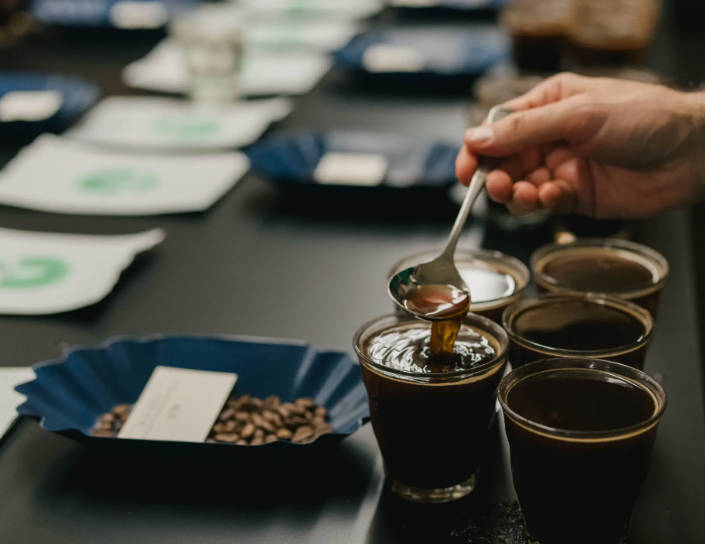
Post-roast quality verification through systematic cupping catches problems before they reach consumers. Every production batch should be cupped against reference standards before release. This practice catches equipment malfunctions, profile errors, and green coffee anomalies that escaped earlier inspection. The cost of cupping is trivial compared to the cost of shipping defective product.
Customer feedback provides quality information that internal evaluation cannot. Consumer perceptions may differ from professional assessment; brewing variables that professionals control may vary significantly in home preparation. I maintain feedback channels and track patterns that might indicate quality issues not apparent in professional evaluation.
Supply chain communication closes the quality control loop. When problems are identified, communicating with origin partners enables root cause analysis and prevention. Producers benefit from feedback that identifies specific issues; buyers benefit from producers who understand expectations and adjust accordingly. Quality control without communication is incomplete.
My conclusion from years of managing single origin quality is that success requires systematic approaches applied across the entire supply chain—from green coffee procurement through production to customer experience. The challenges are real but manageable with appropriate protocols, trained personnel, and organizational commitment to quality consistency. Single origin programs that implement comprehensive quality control deliver on their implicit promises; those that do not risk disappointing consumers and undermining the value proposition that justifies premium positioning.

Daniel Carter
Emma Johnson is a coffee expert with years of experience in brewing techniques, coffee culture, and the global coffee industry. She has extensive knowledge of coffee origins, roasting methods, equipment, and preparation practices, and regularly shares insights, guides, and tips to help enthusiasts and beginners enhance their coffee experience.
You Might Also Like
Comments
-
 Reply
ReplyDaniel Carter
Jun 23, 2025, 11:45 am
I’ve been experimenting with different brewing methods for a few months, and this guide really helped me understand the nuances between pour-over and French press. The tips on water temperature and grind size were especially useful. Thanks for sharing such a detailed article!
-
 Reply
ReplyRonda Otoole
Jun 23, 2025, 11:45 am
As a beginner, I often struggle with choosing the right coffee beans. This post broke down the flavor profiles clearly and gave practical advice on selecting beans based on taste preferences. I feel much more confident in my next purchase now.
 Reply
ReplyJames Whitley
Jun 23, 2025, 11:45 am
Loved the section about sustainable coffee practices! It’s great to see articles that not only focus on brewing but also educate readers on ethical sourcing and environmental impact. Definitely inspired me to try beans from local fair-trade roasters.
-
 Reply
ReplyKimberly Chretien
Jun 23, 2025, 11:45 am
I tried some of the latte art tips from this blog, and even though I’m still a beginner, my coffee looks way better now. The step-by-step instructions and real-world examples made it really easy to follow. Can’t wait to try more techniques!
-
 Reply
ReplyDaniel Carter
Jun 23, 2025, 11:45 am
I really appreciate how this post explains coffee concepts in a simple, approachable way. The breakdown of aroma, acidity, and body helped me understand why different coffees taste the way they do. It’s the kind of article I’ll come back to whenever I try a new bean.