

Processing Methods and Their Real Impact on Single Origin Coffee
September 03, 2025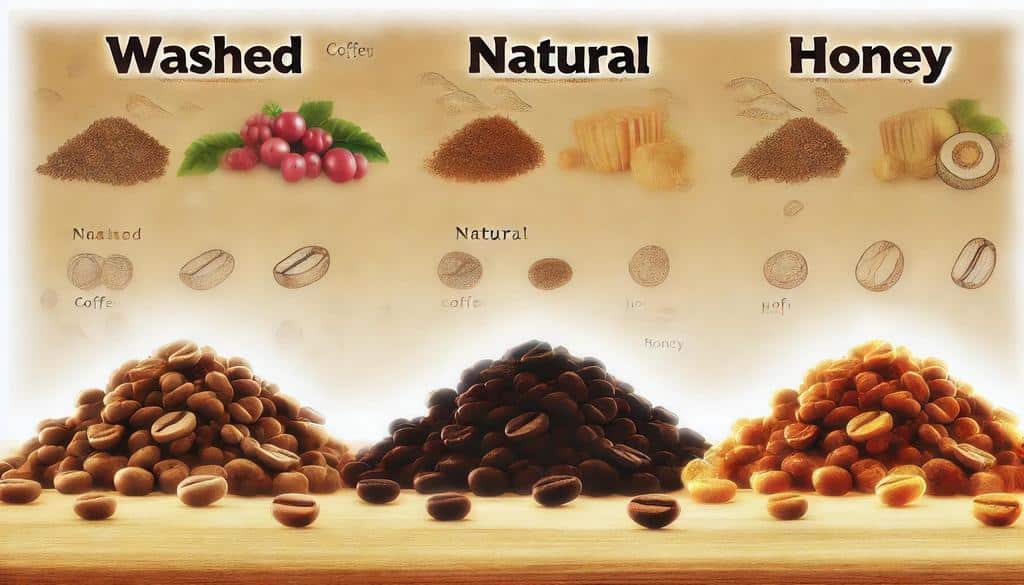
Processing method—how coffee is transformed from harvested cherry to dried green bean—has become a primary differentiator in single origin marketing. Washed, natural, honey, anaerobic, carbonic maceration: these terms appear prominently on packaging and command varying premiums in the market. Having evaluated single origin coffees across all major processing categories over many harvest seasons, I want to provide a grounded assessment of what processing actually contributes to cup quality versus what marketing narratives overstate.
The fundamental reality is that processing does not create quality—it reveals, preserves, or distorts quality that exists in the raw material. A perfectly processed mediocre cherry produces mediocre coffee; a poorly processed exceptional cherry produces disappointing coffee. Processing operates on what the agricultural work has produced, amplifying or diminishing the potential present in the fruit. This framing matters because marketing often implies that exotic processing can transform ordinary coffee into something extraordinary.
Washed processing—removing the fruit mucilage through fermentation and washing before drying—produces what many professionals consider the clearest expression of origin character. By eliminating the fruit contribution, washed processing reveals the seed's inherent qualities: the acidity structure, the aromatic compounds developed during growth, the terroir influences unmediated by fruit sugars. When I want to evaluate a farm's fundamental coffee quality, I prefer washed samples because they provide the most direct window into what the plants produced.
The clarity that washed processing provides comes with tradeoffs. The removed mucilage contains sugars that can contribute body and sweetness; washed coffees often present brighter but thinner than their natural-processed counterparts. For origins whose distinctive character involves acidity and aromatics—Ethiopian coffees, Kenyan coffees, many Central American coffees—washed processing showcases their strengths. For origins whose appeal involves body and sweetness, washed processing may not optimize their potential.
Natural processing—drying the whole cherry intact before removing the fruit—produces dramatically different flavor profiles. The extended contact between seed and fruit during drying allows fermentation and diffusion that creates fruity, often funky characteristics impossible to achieve through washed processing. When executed well, natural processing produces coffees with remarkable sweetness, full body, and intense fruit character that many consumers find immediately appealing.
However, natural processing carries significantly higher risk. The extended drying period—often two to four weeks—creates opportunities for uncontrolled fermentation, mold development, and defect formation that washed processing avoids. Environmental conditions during drying affect outcomes dramatically; rain, humidity, or temperature spikes can ruin lots. The skill required for consistent natural processing exceeds washed processing, and failures are more spectacular.
I have cupped natural-processed coffees that ranked among the best I have ever experienced—explosively fruity, clean despite their fermented character, structurally complex. I have also cupped naturals that were genuinely undrinkable—boozy, phenolic, defective. The variance within natural processing exceeds the variance within washed processing. Consumers attracted to natural-processed coffees should expect more variability and be prepared for occasional disappointments alongside exceptional successes.
Honey processing occupies middle ground, removing the skin but leaving varying amounts of mucilage attached during drying. The degree of mucilage retention—often described as white, yellow, red, or black honey based on color development—produces corresponding variation in fruit influence. Honey processing offers some natural character while reducing processing risk compared to full naturals. Many producers have adopted honey processing as a way to differentiate their coffees without the full risk exposure of natural processing.
Experimental processing methods—anaerobic fermentation, carbonic maceration, extended fermentation protocols—have proliferated in recent years, driven by competition success and market interest in novel flavors. These methods deliberately extend or modify fermentation to produce specific flavor outcomes, often dramatic fruit or wine-like characteristics that stand out in competitive evaluation.
My assessment of experimental processing is conflicted. The techniques can produce genuinely extraordinary coffees that expand our understanding of what coffee can taste like. I have cupped anaerobically processed coffees with flavor clarity and complexity that seemed impossible. However, the techniques can also produce gimmicky coffees where fermentation flavor dominates at the expense of origin character—coffees that taste more like the process than like the place.
The durability of experimental processing flavors concerns me. Some characteristics that shine immediately after roasting fade rapidly, leaving coffees that disappoint compared to their initial promise. Competition-winning lots may score brilliantly at evaluation but deliver mediocre daily drinking experience. The stability of flavor over time deserves more attention than it typically receives.
From a sourcing perspective, processing method should be evaluated in context rather than as an independent quality indicator. The question is not whether washed or natural is better, but whether the specific processing suits the specific coffee and the specific application. Ethiopian coffees often benefit from natural processing that amplifies their fruit character; the same processing applied to Central American coffees may produce results that seem out of character for the origin.
Consistency considerations matter for commercial applications. Washed coffees from established producing regions offer more predictable results than experimental processes from sources without track records. A café depending on consistent espresso performance may be better served by reliably processed coffees than by exotic methods with higher variance. The excitement that experimental processing generates must be weighed against the consistency that commercial operations require.
My professional recommendation is to treat processing as one factor among several in evaluating single origin coffee, not as a primary selection criterion. Origin, varietal, farm quality, roast approach, and freshness all matter alongside processing method. A well-processed coffee from an excellent farm will generally outperform an experimentally processed coffee from a mediocre source.
For consumers interested in exploring processing effects, I suggest comparing the same origin across processing methods when such comparisons are available. Tasting a Colombian washed alongside a Colombian natural from the same region reveals processing influence more clearly than comparing coffees that differ in origin, varietal, and processing simultaneously. This controlled comparison builds understanding that random exploration cannot provide.
My conclusion is that processing genuinely matters for single origin coffee quality but is neither magical nor deterministic. Understanding what different processes contribute—and what they cannot contribute—enables more informed purchasing and more realistic expectations. The best single origin coffees combine quality raw material with processing that serves rather than obscures their inherent character.

Daniel Carter
Emma Johnson is a coffee expert with years of experience in brewing techniques, coffee culture, and the global coffee industry. She has extensive knowledge of coffee origins, roasting methods, equipment, and preparation practices, and regularly shares insights, guides, and tips to help enthusiasts and beginners enhance their coffee experience.
You Might Also Like
Comments
-
 Reply
ReplyDaniel Carter
Jun 23, 2025, 11:45 am
I’ve been experimenting with different brewing methods for a few months, and this guide really helped me understand the nuances between pour-over and French press. The tips on water temperature and grind size were especially useful. Thanks for sharing such a detailed article!
-
 Reply
ReplyRonda Otoole
Jun 23, 2025, 11:45 am
As a beginner, I often struggle with choosing the right coffee beans. This post broke down the flavor profiles clearly and gave practical advice on selecting beans based on taste preferences. I feel much more confident in my next purchase now.
 Reply
ReplyJames Whitley
Jun 23, 2025, 11:45 am
Loved the section about sustainable coffee practices! It’s great to see articles that not only focus on brewing but also educate readers on ethical sourcing and environmental impact. Definitely inspired me to try beans from local fair-trade roasters.
-
 Reply
ReplyKimberly Chretien
Jun 23, 2025, 11:45 am
I tried some of the latte art tips from this blog, and even though I’m still a beginner, my coffee looks way better now. The step-by-step instructions and real-world examples made it really easy to follow. Can’t wait to try more techniques!
-
 Reply
ReplyDaniel Carter
Jun 23, 2025, 11:45 am
I really appreciate how this post explains coffee concepts in a simple, approachable way. The breakdown of aroma, acidity, and body helped me understand why different coffees taste the way they do. It’s the kind of article I’ll come back to whenever I try a new bean.