

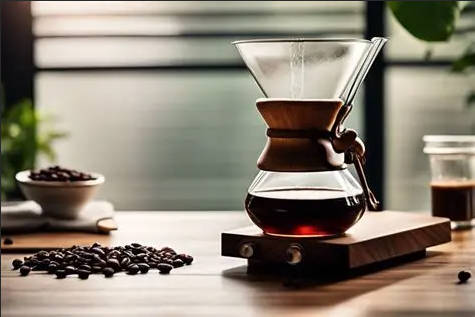
The Chemex represents a distinctive approach to pour-over brewing—the combination of thick paper filtration and elegant vessel design produces cup character that differs meaningfully from other pour-over methods. Understanding Chemex-specific characteristics enables optimization that generic pour-over guidance cannot provide. Having refined Chemex technique over years of professional practice, I examine the method's unique aspects and optimal approaches.
The Chemex distinction lies primarily in its filtration characteristics. The proprietary bonded filters are significantly thicker than standard pour-over filters, removing more oils and fine particles from the brew. This aggressive filtration produces exceptional clarity—clean, bright, transparent cups that reveal subtle flavor characteristics.
I embrace Chemex filtration characteristics as feature rather than limitation, selecting coffees and techniques that leverage clarity strengths. Coffees with delicate complexity express particularly well through Chemex; those relying on body and oils may perform better through other methods.
Filter preparation affects both flow rate and flavor cleanliness. Thorough rinsing removes paper taste and preheats the vessel; inadequate rinsing introduces papery notes and temperature shock. Proper preparation establishes optimal brewing conditions.
I rinse Chemex filters thoroughly with hot water, discarding rinse water before brewing. This preparation removes paper flavor entirely and preheats the vessel to maintain brewing temperature. Rushing preparation compromises results; thorough preparation enables optimal outcomes.
Grind calibration for Chemex must account for the thick filter's slower flow rate. The same grind that works for thin-filter pour-overs may produce over-extraction through extended contact time; coarser grinds compensate for slower drainage. Method-specific calibration is essential.
I grind coarser for Chemex than for other pour-overs, adjusting based on specific coffee and target brew time. This coarser setting compensates for filter-induced flow reduction while maintaining appropriate extraction. Generic grind recommendations that ignore filter differences produce suboptimal results.
Brew ratio for Chemex can be adjusted to leverage the method's clarity characteristics. Slightly higher ratios than typical pour-over may produce more balanced results given the oil removal; experimentation reveals optimal ratios for specific coffees and preferences.
I typically use ratios around 1:16 to 1:17 for Chemex brewing, producing clean cups with appropriate strength. This ratio range accounts for the filter's effect on body; tighter ratios might over-concentrate without compensating oil presence.
Water temperature interacts with Chemex filtration in ways that merit method-specific consideration. Higher temperatures extract more compounds, some of which the filter then removes. The relationship between extraction and filtration suggests that temperature experimentation may reveal Chemex-specific optima.
I experiment with temperatures across the standard range, noting how temperature changes affect Chemex results differently than other methods. This method-specific testing reveals that Chemex may benefit from slightly higher temperatures that compensate for filtered-out extraction.
Pouring technique for Chemex requires adaptation to the vessel's wide cone and thick filter. The wide opening enables different pour patterns than narrow-cone methods; the slow drainage requires pace adjustment to avoid bed flooding. Method-appropriate technique optimizes results.
I pour slowly for Chemex brewing, maintaining water level that saturates the bed without flooding. The slower drainage requires patience; rushing pours creates uneven extraction that compromises the clarity Chemex can achieve.
Bloom management for Chemex should account for the filter's drainage characteristics. The thick filter may slow bloom drainage, affecting degassing and extraction initiation. Observing bloom behavior and adjusting timing accordingly optimizes preparation.
I extend bloom time slightly for Chemex compared to thin-filter methods, allowing additional time for degassing through the slower-draining filter. This extended bloom ensures that subsequent extraction proceeds through properly prepared grounds.
Total brew time for Chemex typically runs longer than thin-filter methods due to drainage rate. Target times of 4-5 minutes for larger brews are common; significantly faster times suggest grind is too coarse while significantly slower times indicate over-extraction risk.
I target brew times appropriate to Chemex characteristics, accepting longer overall times while ensuring they fall within acceptable ranges. The extended contact time that Chemex's filter creates must be accommodated through grind adjustment rather than fought through technique.
Coffee selection for Chemex should consider which characteristics the method will emphasize. High-clarity coffees with delicate complexity express exceptionally well; body-forward coffees may seem thin without their typical oils. Matching coffee to method maximizes results.
I select coffees for Chemex brewing based on characteristics that clarity will highlight—delicate florals, complex fruits, subtle sweetness. These characteristics shine through Chemex's clean presentation; selecting accordingly leverages the method's strengths.
Serving temperature affects how Chemex brews express. The vessel retains heat reasonably well but does not insulate aggressively; brews cool during service. Understanding cooling patterns enables serving at optimal temperatures.
I serve Chemex brews promptly after brewing, recognizing that the open vessel allows cooling that affects flavor expression. Pre-heating serving vessels extends optimal temperature; delayed serving allows cooling that may affect appreciation.
Cleaning and maintenance affect long-term Chemex performance. Coffee oils can accumulate on glass despite the filter's oil removal; residue affects flavor over time. Regular thorough cleaning maintains optimal performance.
I clean Chemex vessels regularly with appropriate methods, removing any accumulated residue that might affect future brews. This maintenance discipline ensures that the clarity Chemex can achieve remains available brew after brew.
My conclusion from years of Chemex practice is that the method offers distinctive characteristics that reward method-specific optimization. The clarity, brightness, and transparency that Chemex produces through its unique filtration create cup experiences that other methods cannot replicate. Understanding and leveraging these characteristics through adapted technique, appropriate coffee selection, and systematic refinement produces results that generic pour-over approaches cannot match. Chemex mastery represents specialized knowledge that serves coffee appreciation in distinctive ways.

Ethan Carter
Emma Johnson is a coffee expert with years of experience in brewing techniques, coffee culture, and the global coffee industry. She has extensive knowledge of coffee origins, roasting methods, equipment, and preparation practices, and regularly shares insights, guides, and tips to help enthusiasts and beginners enhance their coffee experience.
You Might Also Like
Comments
-
 Reply
ReplyEthan Carter
Jun 23, 2025, 11:45 am
I’ve been experimenting with different brewing methods for a few months, and this guide really helped me understand the nuances between pour-over and French press. The tips on water temperature and grind size were especially useful. Thanks for sharing such a detailed article!
-
 Reply
ReplyRonda Otoole
Jun 23, 2025, 11:45 am
As a beginner, I often struggle with choosing the right coffee beans. This post broke down the flavor profiles clearly and gave practical advice on selecting beans based on taste preferences. I feel much more confident in my next purchase now.
 Reply
ReplyJames Whitley
Jun 23, 2025, 11:45 am
Loved the section about sustainable coffee practices! It’s great to see articles that not only focus on brewing but also educate readers on ethical sourcing and environmental impact. Definitely inspired me to try beans from local fair-trade roasters.
-
 Reply
ReplyKimberly Chretien
Jun 23, 2025, 11:45 am
I tried some of the latte art tips from this blog, and even though I’m still a beginner, my coffee looks way better now. The step-by-step instructions and real-world examples made it really easy to follow. Can’t wait to try more techniques!
-
 Reply
ReplyEthan Carter
Jun 23, 2025, 11:45 am
I really appreciate how this post explains coffee concepts in a simple, approachable way. The breakdown of aroma, acidity, and body helped me understand why different coffees taste the way they do. It’s the kind of article I’ll come back to whenever I try a new bean.