

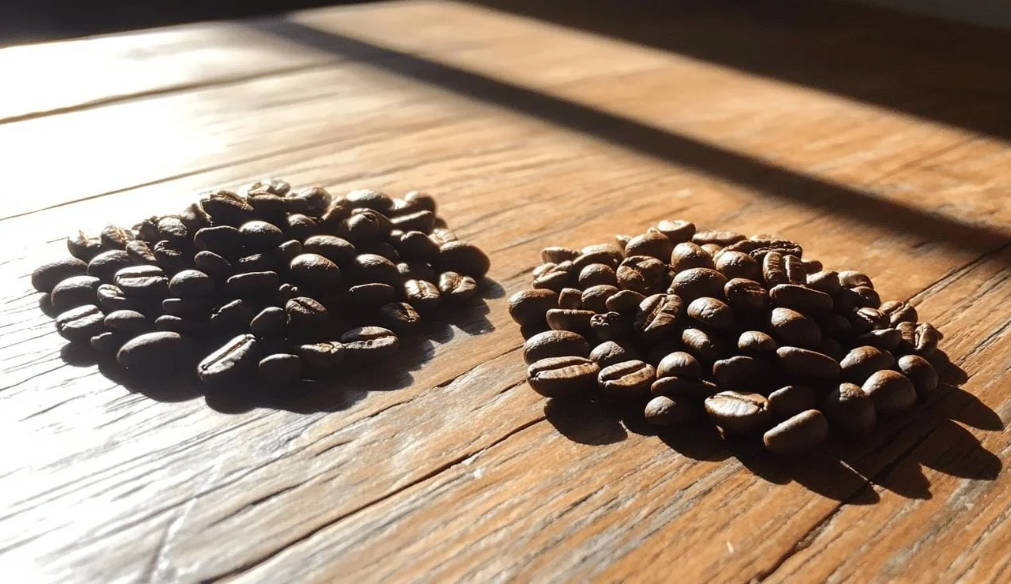
The micro-lot phenomenon represents one of specialty coffee's most interesting developments—and one of its most problematic. Having purchased and evaluated micro-lot coffees from dozens of producers across six countries, often in volumes too small to support commercial consistency, I have developed a deeply ambivalent perspective on what micro-lots actually represent, who benefits from them, and whether the premiums they command reflect genuine quality advancement or simply engineered scarcity.
The basic concept of micro-lots is straightforward: isolating small harvest sections based on specific variables—varietal composition, altitude within a farm, day of harvest, experimental processing—and marketing these separately from a farm's general production. The practice emerged from legitimate quality-focused motivations: recognizing that variation within farms can be significant and that exceptional pockets deserve distinction from farm averages. A single farm might produce both ordinary and extraordinary coffee depending on specific plot characteristics.
From a sensory standpoint, my cupping experience with micro-lots spans the full quality spectrum. I have encountered micro-lots with genuinely remarkable clarity, complexity, and distinctiveness—coffees that represented clear qualitative advancement over the same producer's standard offerings. A natural-processed Gesha micro-lot from Panama that I evaluated last year remains one of the most memorable coffees I have encountered in two decades of professional tasting: jasmine aromatics, tropical fruit complexity, and a finish that evolved over minutes of sipping.
However, I have also encountered numerous micro-lots where the designation seemed to add little beyond novelty and higher price. The micro-lot label had been applied to coffees that, while pleasant, showed no clear sensory superiority over non-micro-lot offerings from comparable origins. In some cases, the micro-lot designation appeared to be primarily a marketing decision—a way to segment production and extract premium pricing from consumers attracted to exclusivity rather than quality.
This variability points to a fundamental analytical challenge: micro-lot designation is not a quality certification. Unlike cupping scores or certification standards, the term 'micro-lot' has no formal definition, no minimum quality threshold, no verification mechanism. Any producer or roaster can apply the term to any coffee, creating a label that suggests specialness without requiring evidence of it. Consumers must evaluate each micro-lot on its merits rather than assuming the designation itself indicates quality.
One particularly important and often overlooked factor is selection bias. Producers creating micro-lots typically assign their best-performing trees, most favorable plots, or most successful processing experiments to micro-lot designation. This concentration of quality advantages within micro-lots creates impressive results, but the mechanism is separation rather than creation. The micro-lot is exceptional partly because it contains what would have been the exceptional portion of the broader harvest.
This selection dynamic has implications for how we evaluate micro-lot quality claims. Comparing a micro-lot to the same producer's standard offering may show dramatic differences, but these differences reflect the inherent variation within the farm rather than additional value created by the micro-lot approach. The exceptional trees would have produced exceptional cherries regardless of whether they were segregated into a micro-lot—the segregation simply captures and markets that variation rather than generating it.
The economic dimensions of micro-lots deserve careful analysis. For producers, micro-lots can deliver substantially higher per-kilogram revenues, potentially improving overall farm economics. A micro-lot selling for $15 per pound green dramatically outperforms commodity pricing even if it represents only 5% of total production. This revenue concentration can finance quality investments across the entire farm.
However, micro-lot production also demands additional labor and risk. Separating harvest by day or plot, conducting multiple processing runs, managing segregated drying and storage, documenting traceability—these requirements add costs that must be offset by premium pricing. For small producers without existing quality infrastructure, the investments required to produce market-acceptable micro-lots may exceed the premiums they can command, particularly in their first years of production.
I have observed several cases where micro-lot programs created problematic incentive structures. Farmers diverted attention and resources toward micro-lot production at the expense of their core harvest, sometimes producing impressive micro-lots while overall farm quality declined. The specialty market's enthusiasm for micro-lot exclusivity can inadvertently encourage farmers to neglect the bulk of their production that does not qualify for premium designation.
The commercial sustainability of micro-lot programs varies significantly depending on buyer commitment. Long-term relationships between roasters and producers can make micro-lot production economically rational—the producer can invest in quality improvements knowing the buyer will return annually. Spot-market micro-lot purchasing, where buyers seek novelty rather than relationships, creates instability that may harm rather than help producers. A farmer who invests in micro-lot production for a buyer who does not return has incurred costs without sustainable benefit.
From a buyer's perspective—whether roaster purchasing green coffee or consumer purchasing roasted beans—micro-lots serve as experimental platforms. They allow testing of processing techniques, varietal expressions, and market response without large-scale exposure. A roaster can offer a small-volume micro-lot with experimental processing to gauge customer interest before seeking larger volumes. This experimental function is genuinely valuable for industry innovation.
The innovation function of micro-lots deserves acknowledgment. Many processing innovations that have spread throughout specialty coffee—including various anaerobic fermentation approaches, extended drying protocols, and varietal experiments—first appeared in micro-lot contexts where the small volumes made experimentation financially feasible. Micro-lots provide a laboratory for quality advancement that benefits the broader industry even when specific micro-lots fail.
Consumer evaluation of micro-lot coffees requires particular sophistication. The exclusivity framing that typically accompanies micro-lot marketing can activate psychological biases that affect quality perception. Research on wine demonstrates that consumers perceive wines as tasting better when told they are expensive or rare, even when the actual wine is identical. Coffee consumers are likely susceptible to similar effects—expecting micro-lots to taste exceptional because they are presented as exceptional.
I recommend approaching micro-lot purchases with appreciation but also skepticism. The questions to ask are not whether the coffee is rare or exclusive, but whether it delivers sensory value proportional to its price premium. A micro-lot costing twice as much as a standard offering should provide a meaningfully better experience, not merely a different one. Many micro-lots pass this test; many do not.
The most reliable approach to micro-lot evaluation involves cupping multiple offerings from the same producer or origin—comparing the micro-lot to non-micro-lot alternatives to assess whether the premium reflects genuine quality advancement. Roasters who offer such comparisons, whether through tasting flights or educational materials, provide consumers with the context necessary for informed evaluation.
My assessment after years of micro-lot engagement is that they represent tools rather than guarantees. When assessed critically—with attention to sensory quality rather than marketing narrative, and with consideration of whether premiums reflect value rather than scarcity—micro-lots can elevate quality understanding and provide genuinely exceptional experiences. When consumed uncritically—purchased primarily for exclusivity claims, evaluated through expectations shaped by marketing rather than sensory evidence—they risk prioritizing status over substance.
The specialty coffee industry's enthusiasm for micro-lots reflects broader dynamics worth examining: the premium segment's constant pursuit of novelty, the marketing value of scarcity narratives, and consumer desire for products that signal sophisticated taste. These dynamics are not inherently problematic, but they can create markets where perception matters more than quality, where prices reflect exclusivity rather than value, and where both producers and consumers may be poorly served.
My conclusion is that micro-lots deserve neither automatic reverence nor dismissal. Each should be evaluated on its particular merits—the sensory quality delivered, the relationship with producers, the proportionality of premium to value. The micro-lot concept has genuine potential to advance quality, reward exceptional production, and provide memorable experiences. Realizing this potential requires critical engagement rather than reflexive acceptance of exclusivity claims.

Daniel Carter
Emma Johnson is a coffee expert with years of experience in brewing techniques, coffee culture, and the global coffee industry. She has extensive knowledge of coffee origins, roasting methods, equipment, and preparation practices, and regularly shares insights, guides, and tips to help enthusiasts and beginners enhance their coffee experience.
You Might Also Like
Comments
-
 Reply
ReplyDaniel Carter
Jun 23, 2025, 11:45 am
I’ve been experimenting with different brewing methods for a few months, and this guide really helped me understand the nuances between pour-over and French press. The tips on water temperature and grind size were especially useful. Thanks for sharing such a detailed article!
-
 Reply
ReplyRonda Otoole
Jun 23, 2025, 11:45 am
As a beginner, I often struggle with choosing the right coffee beans. This post broke down the flavor profiles clearly and gave practical advice on selecting beans based on taste preferences. I feel much more confident in my next purchase now.
 Reply
ReplyJames Whitley
Jun 23, 2025, 11:45 am
Loved the section about sustainable coffee practices! It’s great to see articles that not only focus on brewing but also educate readers on ethical sourcing and environmental impact. Definitely inspired me to try beans from local fair-trade roasters.
-
 Reply
ReplyKimberly Chretien
Jun 23, 2025, 11:45 am
I tried some of the latte art tips from this blog, and even though I’m still a beginner, my coffee looks way better now. The step-by-step instructions and real-world examples made it really easy to follow. Can’t wait to try more techniques!
-
 Reply
ReplyDaniel Carter
Jun 23, 2025, 11:45 am
I really appreciate how this post explains coffee concepts in a simple, approachable way. The breakdown of aroma, acidity, and body helped me understand why different coffees taste the way they do. It’s the kind of article I’ll come back to whenever I try a new bean.