

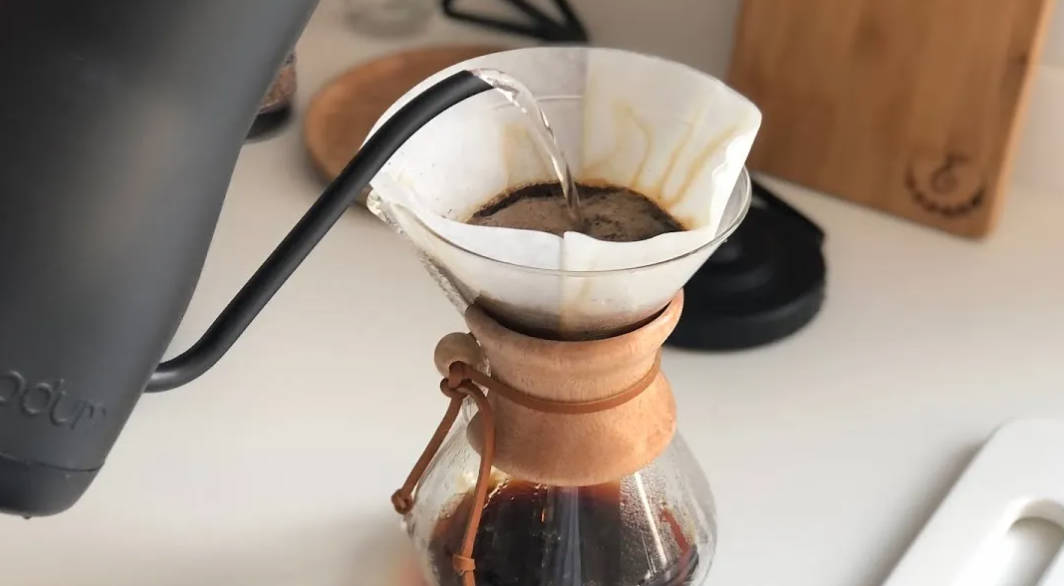
Pour-over brewing represents the intersection of precision and artistry in specialty coffee preparation—a method that rewards attention to detail with clarity and nuance that other methods cannot achieve. Having refined pour-over technique over years of professional practice and training others, I examine the variables, methods, and mindset that enable pour-over mastery.
The pour-over advantage lies in the control it provides over extraction variables. Unlike immersion methods where all coffee contacts all water for the same duration, pour-over allows manipulation of contact time, water distribution, and extraction progression through pouring technique. This control enables precise flavor optimization when properly applied.
I approach pour-over as precision instrument rather than simple preparation method. The control available is only valuable if used deliberately; understanding what each variable affects enables intentional manipulation toward intended outcomes.
Water quality provides the extraction medium and profoundly affects both extraction efficiency and flavor expression. Mineral content influences how effectively water extracts coffee compounds; excessive minerals over-extract while insufficient minerals under-extract. Water chemistry deserves attention that many brewers neglect.
I use water with appropriate mineral content for pour-over brewing—typically 75-150 ppm total dissolved solids with balanced calcium and magnesium. This water specification enables optimal extraction and flavor expression that inappropriate water cannot achieve.
Temperature affects extraction rate and compound solubility. Higher temperatures extract more rapidly and access compounds that lower temperatures leave behind; lower temperatures produce slower, more selective extraction. Optimal temperature varies by coffee characteristics and intended outcomes.
I measure water temperature precisely, typically working in the 92-96°C range with adjustments based on coffee characteristics. Light roasts often benefit from higher temperatures that ensure complete extraction; darker roasts may benefit from lower temperatures that avoid over-extraction of bitter compounds.
Grind size determines extraction rate through surface area exposure. Finer grinds extract faster due to greater surface area; coarser grinds extract slower. Beyond rate effects, grind size influences which compounds extract preferentially, affecting flavor character alongside intensity.
I calibrate grind size for each coffee based on target extraction and flavor objectives, recognizing that optimal grind varies by coffee density, roast level, and intended character. Systematic testing reveals optimal settings that generic recommendations cannot provide.
Grind uniformity affects extraction evenness. Grinders that produce wide particle size distributions create uneven extraction—fines over-extract while coarse particles under-extract. Quality grinders producing narrow distributions enable more precise extraction control.
I invest in quality grinding equipment that produces uniform particle distribution, recognizing that grind quality limits what brewing technique can achieve. The best technique cannot compensate for inconsistent grinding.
Bloom technique initiates extraction by saturating grounds with minimal water, releasing carbon dioxide that would otherwise impede even extraction. Proper blooming prepares the coffee bed for main extraction; inadequate blooming produces uneven results.
I bloom with approximately twice the coffee weight in water, allowing 30-45 seconds for degassing before beginning main pours. This bloom protocol ensures that subsequent extraction proceeds evenly through prepared grounds.
Pouring technique controls water contact time and distribution across the coffee bed. Pour rate affects how quickly water moves through grounds; pour pattern affects which areas receive water and when. These technique variables enable extraction manipulation beyond equipment settings.
I pour with controlled, consistent rate in patterns that ensure even bed saturation. Spiral patterns moving from center to edge and back maintain even extraction across the entire bed. This technique consistency produces more reliable results than casual pouring.
Pulse pouring versus continuous pouring creates different extraction dynamics. Pulse pours—adding water in discrete doses with pauses between—allow partial draining that promotes even extraction. Continuous pouring maintains steady water level that produces different character. Both approaches have applications.
I typically use pulse pouring for pour-over, adding water in 50-100g increments with pauses that allow partial draining. This pulse approach produces clean, defined character that I prefer for most specialty coffees.
Total brew time reflects overall extraction and should fall within optimal ranges for the method and coffee. Brew times significantly faster than target indicate under-extraction from coarse grind or technique issues; times significantly slower indicate over-extraction risk from fine grind or technique problems.
I target brew times appropriate to the specific pour-over method—typically 2:30-3:30 for single cups with adjustment based on dose and desired character. Brew time provides feedback on whether grind and technique are appropriate.
Agitation through deliberate bed disturbance can enhance extraction uniformity by exposing fresh surfaces and preventing channeling. The Rao spin—a gentle swirl after final pour—levels the bed and improves draining consistency. Controlled agitation improves results; excessive agitation over-extracts.
I incorporate light agitation through gentle swirling after pours, observing how agitation affects extraction outcomes. This deliberate agitation produces more even extraction than undisturbed beds while avoiding over-extraction from aggressive disturbance.
Documentation captures technique settings and outcomes for refinement and consistency. Recording grind setting, water temperature, pour pattern, brew time, and sensory results creates reference data that enables improvement over time. Undocumented brewing produces only immediate results; documented brewing builds continuous capability.
I maintain brewing logs that record all variables and outcomes, reviewing accumulated data to identify patterns and optimize technique. This documentation discipline transforms brewing from daily routine to ongoing refinement.
My conclusion from years of pour-over practice is that mastery requires understanding variables, developing consistent technique, and refining through systematic documentation. Pour-over rewards the attention it demands with flavor clarity and nuance that less precise methods cannot achieve. The investment in mastery produces daily returns in coffee quality and brewing satisfaction.

Ethan Carter
Emma Johnson is a coffee expert with years of experience in brewing techniques, coffee culture, and the global coffee industry. She has extensive knowledge of coffee origins, roasting methods, equipment, and preparation practices, and regularly shares insights, guides, and tips to help enthusiasts and beginners enhance their coffee experience.
You Might Also Like
Comments
-
 Reply
ReplyEthan Carter
Jun 23, 2025, 11:45 am
I’ve been experimenting with different brewing methods for a few months, and this guide really helped me understand the nuances between pour-over and French press. The tips on water temperature and grind size were especially useful. Thanks for sharing such a detailed article!
-
 Reply
ReplyRonda Otoole
Jun 23, 2025, 11:45 am
As a beginner, I often struggle with choosing the right coffee beans. This post broke down the flavor profiles clearly and gave practical advice on selecting beans based on taste preferences. I feel much more confident in my next purchase now.
 Reply
ReplyJames Whitley
Jun 23, 2025, 11:45 am
Loved the section about sustainable coffee practices! It’s great to see articles that not only focus on brewing but also educate readers on ethical sourcing and environmental impact. Definitely inspired me to try beans from local fair-trade roasters.
-
 Reply
ReplyKimberly Chretien
Jun 23, 2025, 11:45 am
I tried some of the latte art tips from this blog, and even though I’m still a beginner, my coffee looks way better now. The step-by-step instructions and real-world examples made it really easy to follow. Can’t wait to try more techniques!
-
 Reply
ReplyEthan Carter
Jun 23, 2025, 11:45 am
I really appreciate how this post explains coffee concepts in a simple, approachable way. The breakdown of aroma, acidity, and body helped me understand why different coffees taste the way they do. It’s the kind of article I’ll come back to whenever I try a new bean.