
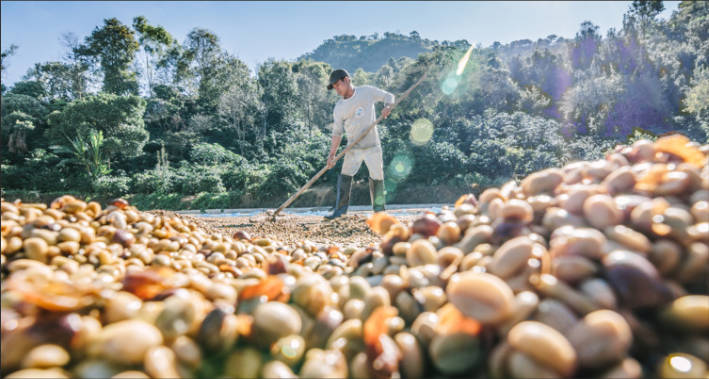
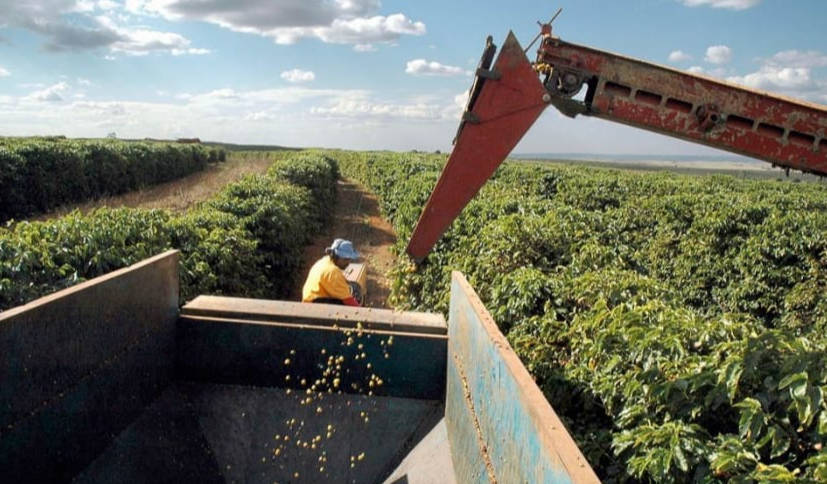
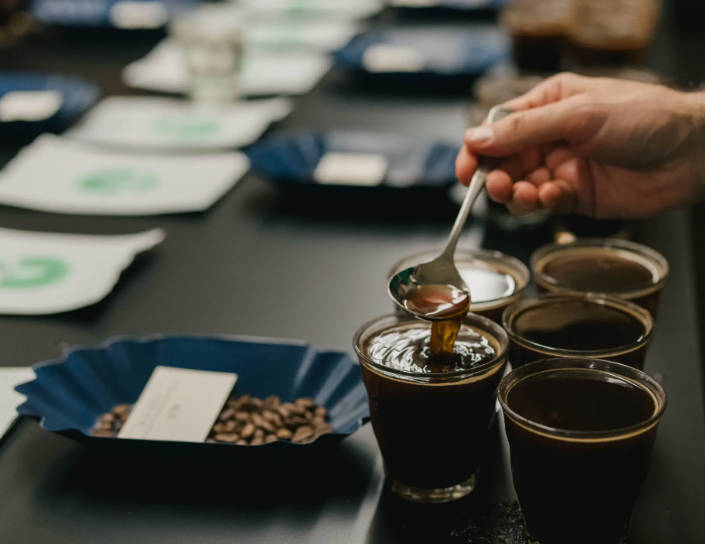
The assumption that single origin coffee automatically improves farmer livelihoods is deeply embedded in specialty coffee marketing and consumer belief. The logic seems compelling: by identifying specific producers and paying premium prices, buyers create value that should flow to those who grew the coffee. Through fifteen years of direct engagement with producers—establishing purchasing relationships, visiting farms, analyzing income data, and observing long-term outcomes—I have developed a considerably more nuanced perspective on this assumption. Single origin coffee can benefit farmers significantly, but it can also harm them, and the difference depends on program design rather than single origin designation itself.
The potential benefits of single origin programs for farmers are genuine. Premium pricing above commodity rates can substantially improve farm economics. The average specialty coffee price exceeds commodity coffee price by significant margins—often 50-200% for genuine specialty single origin purchases compared to commodity rates. For a farmer selling 50 bags annually, this difference can represent thousands of dollars in additional income.
Beyond price, single origin relationships can provide stability through multi-year purchasing commitments. This stability enables investment and planning impossible under spot-market commodity sales. I have seen farms use relationship stability to finance processing equipment improvements, plant new varieties, invest in shade tree rehabilitation, and diversify income through coffee tourism. The predictability of single origin relationships often matters more than the absolute price premium.
Visibility is another potential benefit. Farmers whose names and stories appear on single origin packaging gain market identity that can attract additional buyers and support premium positioning. I have watched producers transition from anonymous commodity suppliers to recognized specialty producers whose coffees are sought by multiple roasters. This transition fundamentally changes their market position and negotiating power.
However, single origin programs also create risks and burdens that may harm rather than help producers. The quality requirements for single origin programs typically exceed commodity standards, demanding greater investment in agricultural practice, harvest selectivity, and processing precision. These requirements add costs—for labor, equipment, quality control—that must be offset by premium pricing. When premiums are modest, the additional costs may consume most or all of the price benefit.
I have documented cases where farmers participating in single origin programs earned less net income than neighbors selling to commodity markets. The single origin producer received higher gross prices but incurred higher production costs for quality requirements, leaving net returns comparable to or below commodity alternatives. This outcome is particularly likely when single origin buyers emphasize quality without providing proportional premiums, or when farmers lack the infrastructure to achieve quality requirements efficiently.
Market exposure represents perhaps the most significant risk. Farmers who develop single origin relationships with specific buyers become dependent on those relationships continuing. When buyers change strategies, switch origins, or exit the market, the farmers they leave behind face sudden income loss without easy alternative market access. Their investments in quality infrastructure and relationship-specific production may have no value with other buyers.
I have witnessed multiple instances of this dynamic. A cooperative in East Africa invested significantly in traceability systems, quality control training, and processing upgrades to meet a specialty buyer's requirements. After three years of purchases, the buyer switched to different origins for novelty reasons. The cooperative was left with debt from infrastructure investments, training investments that did not transfer to new relationships, and production quality specifications that other buyers did not value equally.
The power dynamics of single origin relationships often disadvantage producers. Buyers typically have multiple sourcing options; producers—especially small producers without diversified market access—have limited buyer alternatives. This asymmetry affects price negotiation, contract terms, and relationship stability. When problems arise, producers typically absorb costs that more balanced relationships might distribute.
Scale significantly affects outcomes. Larger farms and well-organized cooperatives typically benefit more consistently from single origin programs than smallholders. They can negotiate more effectively, absorb quality control costs more efficiently, and attract multiple buyers to reduce relationship dependency. Smallholders often lack negotiating leverage, efficient quality infrastructure, and diversified market access, making them more vulnerable to single origin relationship failures.
Geographic and infrastructure factors matter as well. Producers with good road access, proximity to export points, and telecommunications connectivity can participate in single origin programs more easily than remote producers. Single origin requirements for traceability, communication, and quality verification favor producers with existing infrastructure, potentially excluding those most in need of income improvements.
The most beneficial single origin relationships I have observed share common characteristics: long-term commitment (multi-year contracts, not spot purchases), transparent pricing (clear information about price formation and margin distribution), shared risk (buyers absorbing some quality variation rather than penalizing farmers for factors beyond their control), and investment reciprocity (buyer contribution to farmer capacity development, not just farmer investment to meet buyer requirements).
Programs incorporating these elements genuinely transform farmer livelihoods. I have seen farming families transition from subsistence income to comfortable security, finance children's education, invest in farm improvements, and achieve meaningful economic mobility—all enabled by single origin relationships structured with genuine partnership orientation. These outcomes demonstrate what single origin programs can achieve when designed thoughtfully.
But these elements are not inherent to single origin designation—they require deliberate program design and sustained organizational commitment. The mere fact that coffee carries single origin labeling provides no assurance that the relationship benefits farmers or that premiums reach producers. Consumer purchases of single origin coffee without additional information about relationship structure may support excellent programs or problematic ones.
Transparency alone is insufficient without investment in farmer capacity. Farmers need training, infrastructure support, quality improvement assistance, and market development help to participate effectively in single origin markets. Programs that demand quality without building capacity to achieve it extract value rather than creating it. The most effective programs integrate these elements into purchasing relationships.
My recommendation for consumers concerned about farmer welfare is to look beyond single origin designation to specific relationship information. How long has the buyer purchased from this producer? What premium does the farmer receive? Does the buyer invest in farmer development? Is pricing transparent? These questions reveal more about farmer benefit than origin specificity.
For industry professionals, I argue that we bear responsibility for single origin program outcomes. If our purchases harm farmers—through volatile relationships, inadequate premiums, or extraction without investment—we cannot claim that our single origin positioning benefits producers. Genuine farmer benefit requires intentional program design that goes beyond purchasing coffee with geographic specificity.
My conclusion after years of engagement with these questions is that single origin coffee can benefit farmers substantially—but only when implemented with responsibility, reciprocity, and realistic assessment of farmer circumstances. Without these elements, single origin designation risks becoming another extraction mechanism that benefits marketers and consumers while leaving producers no better off, or worse off, than commodity alternatives. The choice between beneficial and harmful single origin programs is ours to make; making it wisely requires looking far beyond the origin label.

Daniel Carter
Emma Johnson is a coffee expert with years of experience in brewing techniques, coffee culture, and the global coffee industry. She has extensive knowledge of coffee origins, roasting methods, equipment, and preparation practices, and regularly shares insights, guides, and tips to help enthusiasts and beginners enhance their coffee experience.
You Might Also Like
Comments
-
 Reply
ReplyDaniel Carter
Jun 23, 2025, 11:45 am
I’ve been experimenting with different brewing methods for a few months, and this guide really helped me understand the nuances between pour-over and French press. The tips on water temperature and grind size were especially useful. Thanks for sharing such a detailed article!
-
 Reply
ReplyRonda Otoole
Jun 23, 2025, 11:45 am
As a beginner, I often struggle with choosing the right coffee beans. This post broke down the flavor profiles clearly and gave practical advice on selecting beans based on taste preferences. I feel much more confident in my next purchase now.
 Reply
ReplyJames Whitley
Jun 23, 2025, 11:45 am
Loved the section about sustainable coffee practices! It’s great to see articles that not only focus on brewing but also educate readers on ethical sourcing and environmental impact. Definitely inspired me to try beans from local fair-trade roasters.
-
 Reply
ReplyKimberly Chretien
Jun 23, 2025, 11:45 am
I tried some of the latte art tips from this blog, and even though I’m still a beginner, my coffee looks way better now. The step-by-step instructions and real-world examples made it really easy to follow. Can’t wait to try more techniques!
-
 Reply
ReplyDaniel Carter
Jun 23, 2025, 11:45 am
I really appreciate how this post explains coffee concepts in a simple, approachable way. The breakdown of aroma, acidity, and body helped me understand why different coffees taste the way they do. It’s the kind of article I’ll come back to whenever I try a new bean.