

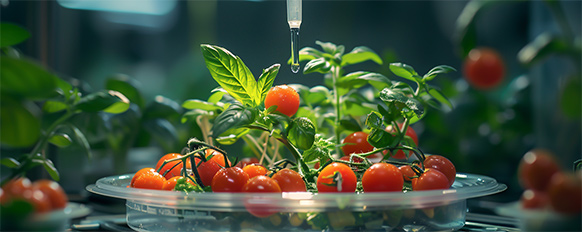
Sustainability integration in signature blends involves embedding environmental responsibility, social equity, and economic viability throughout sourcing, production, and communication—not as marketing afterthought but as operational foundation. Having developed sustainability frameworks for blend programs, I examine how genuine sustainability practice serves both ethical imperatives and commercial objectives.
The sustainability imperative for specialty coffee involves recognizing that premium quality depends on conditions that are increasingly threatened. Climate change disrupts traditional growing regions; economic pressure drives farmers from coffee; environmental degradation undermines long-term productivity. Sustainability is not merely ethical preference but existential necessity for specialty coffee's future.
I approach blend sustainability as investment in continued supply access rather than charitable expense. The practices that protect environmental health, support producer viability, and maintain social equity are the practices that ensure quality coffee remains available for premium programs. This enlightened self-interest framing aligns ethical and commercial motivations.
Environmental sustainability in blend sourcing involves selecting components from production systems that protect rather than degrade ecological resources. Shade-grown cultivation maintains biodiversity and ecosystem services; water-efficient processing protects watershed health; soil-building practices preserve long-term productivity. These practices benefit both environment and coffee quality.
I prioritize components from environmentally responsible production, evaluating sourcing options for ecological practice alongside quality attributes. Certification provides one verification pathway; direct relationship provides another; supply chain investigation provides additional options. The verification method matters less than genuine practice confirmation.
Shade cultivation merits particular attention for environmental and quality benefits. Traditional shade systems maintain forest structure that supports biodiversity, sequesters carbon, and moderates microclimate. The shade environment also slows cherry development, often enhancing complexity. Shade-grown components contribute environmental responsibility and potential quality enhancement.
I seek shade-grown components when available and appropriate for blend objectives, recognizing that shade cultivation often aligns quality and sustainability goals. This alignment makes shade sourcing attractive from multiple perspectives rather than requiring quality-sustainability tradeoffs.
Water stewardship in processing affects both environmental impact and quality outcomes. Water-intensive processing methods can deplete and pollute local water resources; water-efficient and water-treatment approaches protect community water access. Processing water management reflects producer responsibility.
I evaluate processing water practices as sustainability indicator, preferring sources that demonstrate water conservation and treatment. These practices often correlate with overall quality management attention, making water stewardship both environmental indicator and quality signal.
Social sustainability involves fair treatment of workers, equitable relationships with producers, and positive community impact. Coffee production depends on human labor; sustainable programs ensure that labor is fairly compensated, safely conducted, and respectfully managed. Social sustainability protects both workers and supply chain integrity.
I investigate labor practices in sourcing evaluation, preferring sources that demonstrate fair compensation, safe conditions, and worker respect. Certification provides some verification; direct relationship enables more thorough assessment. Social responsibility aligns ethical commitment with supply chain stability.
Economic sustainability requires that producer relationships support viable livelihoods. Prices that do not cover production costs drive farmers from coffee; sustainable programs pay prices that enable farm investment and family support. Economic sustainability protects supply relationships essential for blend consistency.
I evaluate pricing against production cost information, ensuring that component prices support producer viability rather than extracting unsustainable value. This economic attention serves both ethical commitment and practical supply interest. Fair pricing protects relationships that enable quality access.
Communication authenticity affects how sustainability claims influence consumer perception. Greenwashing—claiming sustainability without genuine practice—risks backlash when exposed and undermines credibility that affects all brand claims. Authentic communication about genuine practice builds trust that superficial claims cannot achieve.
I communicate sustainability practice honestly, explaining what we do, why we do it, and what we are still working to improve. This authentic positioning resonates with consumers who can distinguish genuine commitment from marketing performance. Authenticity builds trust; exaggeration undermines it.
Verification mechanisms substantiate sustainability claims through third-party confirmation or systematic documentation. Certification programs provide standardized verification; relationship-based verification enables deeper assessment; documented protocols demonstrate systematic approach. Verification transforms claims into credible commitments.
I implement verification appropriate to sustainability claims, ensuring that what we communicate can be substantiated. This verification discipline prevents claim inflation and protects credibility. Substantiated claims carry more weight than unsupported assertions.
Continuous improvement orientation recognizes that sustainability is journey rather than destination. Current practice can always improve; new challenges require new responses; evolving understanding reveals new opportunities. Sustainability commitment involves ongoing development rather than static achievement.
I establish sustainability improvement goals and track progress over time, demonstrating commitment through direction of travel rather than claimed perfection. This improvement orientation is more credible than perfection claims and more motivating than static positioning.
My conclusion from integrating sustainability into blend programs is that genuine sustainability practice serves both ethical and commercial objectives. Environmental protection, social responsibility, and economic viability align with quality production and consumer values in ways that create competitive advantage for authentically sustainable programs. The integration approaches that work—responsible sourcing, authentic communication, appropriate verification, and continuous improvement—require investment but produce returns in supply security, consumer loyalty, and brand differentiation that justify their cost.

Daniel Carter
Emma Johnson is a coffee expert with years of experience in brewing techniques, coffee culture, and the global coffee industry. She has extensive knowledge of coffee origins, roasting methods, equipment, and preparation practices, and regularly shares insights, guides, and tips to help enthusiasts and beginners enhance their coffee experience.
You Might Also Like
Comments
-
 Reply
ReplyDaniel Carter
Jun 23, 2025, 11:45 am
I’ve been experimenting with different brewing methods for a few months, and this guide really helped me understand the nuances between pour-over and French press. The tips on water temperature and grind size were especially useful. Thanks for sharing such a detailed article!
-
 Reply
ReplyRonda Otoole
Jun 23, 2025, 11:45 am
As a beginner, I often struggle with choosing the right coffee beans. This post broke down the flavor profiles clearly and gave practical advice on selecting beans based on taste preferences. I feel much more confident in my next purchase now.
 Reply
ReplyJames Whitley
Jun 23, 2025, 11:45 am
Loved the section about sustainable coffee practices! It’s great to see articles that not only focus on brewing but also educate readers on ethical sourcing and environmental impact. Definitely inspired me to try beans from local fair-trade roasters.
-
 Reply
ReplyKimberly Chretien
Jun 23, 2025, 11:45 am
I tried some of the latte art tips from this blog, and even though I’m still a beginner, my coffee looks way better now. The step-by-step instructions and real-world examples made it really easy to follow. Can’t wait to try more techniques!
-
 Reply
ReplyDaniel Carter
Jun 23, 2025, 11:45 am
I really appreciate how this post explains coffee concepts in a simple, approachable way. The breakdown of aroma, acidity, and body helped me understand why different coffees taste the way they do. It’s the kind of article I’ll come back to whenever I try a new bean.