
Innovative pairing transforms signature blend development from formula application into creative exploration. While conventional blending relies on established combinations—Latin American base, African accent, Indonesian depth—innovative pairing investigates unexpected combinations that can produce remarkable results. Having explored unconventional pairings throughout my blending career, I share approaches that enable creative combination while managing the risks inherent in departure from proven formulas.
The foundation of innovative pairing lies in understanding why conventional pairings work. Traditional combinations succeed because they achieve complementarity: components that fill different flavor roles combine into balanced wholes. An Ethiopian providing brightness pairs with a Brazilian providing body because each contributes what the other lacks. This complementarity principle applies regardless of whether pairings follow conventional geography or explore new territory.
I evaluate potential pairings against complementarity criteria: Does each component contribute something distinct? Do contributions combine to create balance? Are there gaps that leave the blend incomplete or conflicts that create dissonance? Innovative pairings that satisfy these criteria can succeed even when they violate conventional expectations.
Cross-continental combinations explore complementarity across geographic boundaries not traditionally paired. An Indonesian processed for clarity rather than earthiness might pair with a Central American processed for fruit rather than balance. These combinations work when the specific coffees—rather than their broad origin categories—provide complementary contributions.
I have developed successful blends pairing origins rarely combined: Rwanda with Brazil, Myanmar with Colombia, Uganda with Guatemala. Each combination required finding specific coffees whose particular characteristics created complementarity that general origin assumptions would not predict. This specificity distinguishes innovative pairing from random combination.
Processing method pairing creates flavor combinations unavailable from single-process components. A washed coffee providing clean acidity can pair with a natural-processed coffee providing fruit and body in ways that neither processing approach alone could achieve. The contrast between processing styles, when calibrated properly, creates complexity that single-process blends cannot match.
I explore processing pairings systematically, testing how washed, natural, honey, and experimental processes interact in combination. Some processing pairs create synergy; others create conflict. Understanding these interaction patterns enables selecting process combinations likely to succeed rather than discovering conflicts through failed experiments.
Single-origin blending—combining different lots, varietals, or processing from the same farm or region—creates complexity while maintaining origin coherence. A blend of washed Bourbon and natural Gesha from the same Colombian farm might achieve complexity unavailable from either component while presenting a unified origin story. This approach innovates within constraints that maintain storytelling simplicity.
I have developed single-origin blends that showcase producer range rather than single-lot character. Consumers appreciate the complexity while maintaining connection to a specific place and producer. The story—that one farm can produce this range of flavors—engages differently than generic blending narratives.
Varietal pairing investigates how different coffee varieties interact. Bourbon's balanced sweetness might complement Gesha's floral aromatics differently than Typica would. Variety contributes flavor potential that processing and growing conditions realize; pairing varieties with complementary potential can produce combinations that single-variety approaches miss.
I test varietal combinations from the same origin and processing to isolate variety effects. A washed Pacamara versus washed Bourbon from the same Salvadoran farm reveals varietal character differences. Understanding these differences enables varietal pairing decisions based on actual flavor contribution rather than variety reputation.
Roast contrast pairing combines differently roasted components for effects unavailable from single-profile roasting. A light-roasted component providing brightness can pair with a darker-roasted component providing depth. This contrast, when integrated properly, creates dynamic profiles that evolve through the tasting experience.
I approach roast contrast carefully—too much contrast produces disjointed results where components do not integrate into unified experience. The goal is contrast that creates interest while maintaining cohesion. Testing various contrast levels reveals the range where distinction enhances rather than fragments the blend.
Experimental processing incorporation adds innovation potential unavailable a decade ago. Anaerobic fermentation, carbonic maceration, and other novel techniques produce flavor profiles that conventional processing cannot achieve. Incorporating these experimental coffees as blend components creates possibilities that expand the flavor space available to signature blends.
I use experimental components as accents rather than foundations, adding interest and complexity without making blends dependent on limited-availability experimental lots. A small percentage of anaerobic-processed coffee can add distinctive notes to a blend otherwise composed of conventional components. This approach accesses innovation benefits while managing supply and consistency risks.
Risk management in innovative pairing protects against creative failures. Not all innovative combinations succeed; some produce results worse than conventional approaches. Managing this risk involves limiting initial investment in unproven concepts, conducting thorough evaluation before production commitment, and maintaining portfolio balance between innovation and reliability.
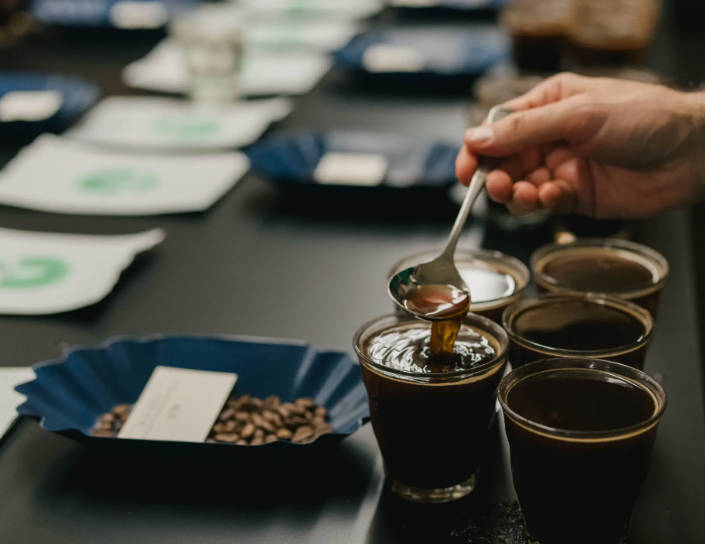
I evaluate innovative pairings through extensive cupping across multiple evaluators before considering production. Consumer acceptance testing may follow internal evaluation for concepts that pass professional assessment. This thorough vetting prevents launching innovative blends that professional enthusiasm may favor but that broader markets would reject.
My conclusion from years of innovative pairing exploration is that creativity and discipline must combine. The most successful innovative blends emerge from creative vision guided by understanding of why pairings work, systematic evaluation of novel concepts, and honest assessment of results. Innovation that ignores complementarity principles produces novelty without quality; innovation that applies those principles in unexpected ways produces genuine differentiation. The signature blends that most memorably distinguish a brand are often those where innovative pairing created character unavailable through conventional approaches.

Sophia Reynolds
Emma Johnson is a coffee expert with years of experience in brewing techniques, coffee culture, and the global coffee industry. She has extensive knowledge of coffee origins, roasting methods, equipment, and preparation practices, and regularly shares insights, guides, and tips to help enthusiasts and beginners enhance their coffee experience.
You Might Also Like
Comments
-
 Reply
ReplySophia Reynolds
Jun 23, 2025, 11:45 am
I’ve been experimenting with different brewing methods for a few months, and this guide really helped me understand the nuances between pour-over and French press. The tips on water temperature and grind size were especially useful. Thanks for sharing such a detailed article!
-
 Reply
ReplyRonda Otoole
Jun 23, 2025, 11:45 am
As a beginner, I often struggle with choosing the right coffee beans. This post broke down the flavor profiles clearly and gave practical advice on selecting beans based on taste preferences. I feel much more confident in my next purchase now.
 Reply
ReplyJames Whitley
Jun 23, 2025, 11:45 am
Loved the section about sustainable coffee practices! It’s great to see articles that not only focus on brewing but also educate readers on ethical sourcing and environmental impact. Definitely inspired me to try beans from local fair-trade roasters.
-
 Reply
ReplyKimberly Chretien
Jun 23, 2025, 11:45 am
I tried some of the latte art tips from this blog, and even though I’m still a beginner, my coffee looks way better now. The step-by-step instructions and real-world examples made it really easy to follow. Can’t wait to try more techniques!
-
 Reply
ReplySophia Reynolds
Jun 23, 2025, 11:45 am
I really appreciate how this post explains coffee concepts in a simple, approachable way. The breakdown of aroma, acidity, and body helped me understand why different coffees taste the way they do. It’s the kind of article I’ll come back to whenever I try a new bean.