

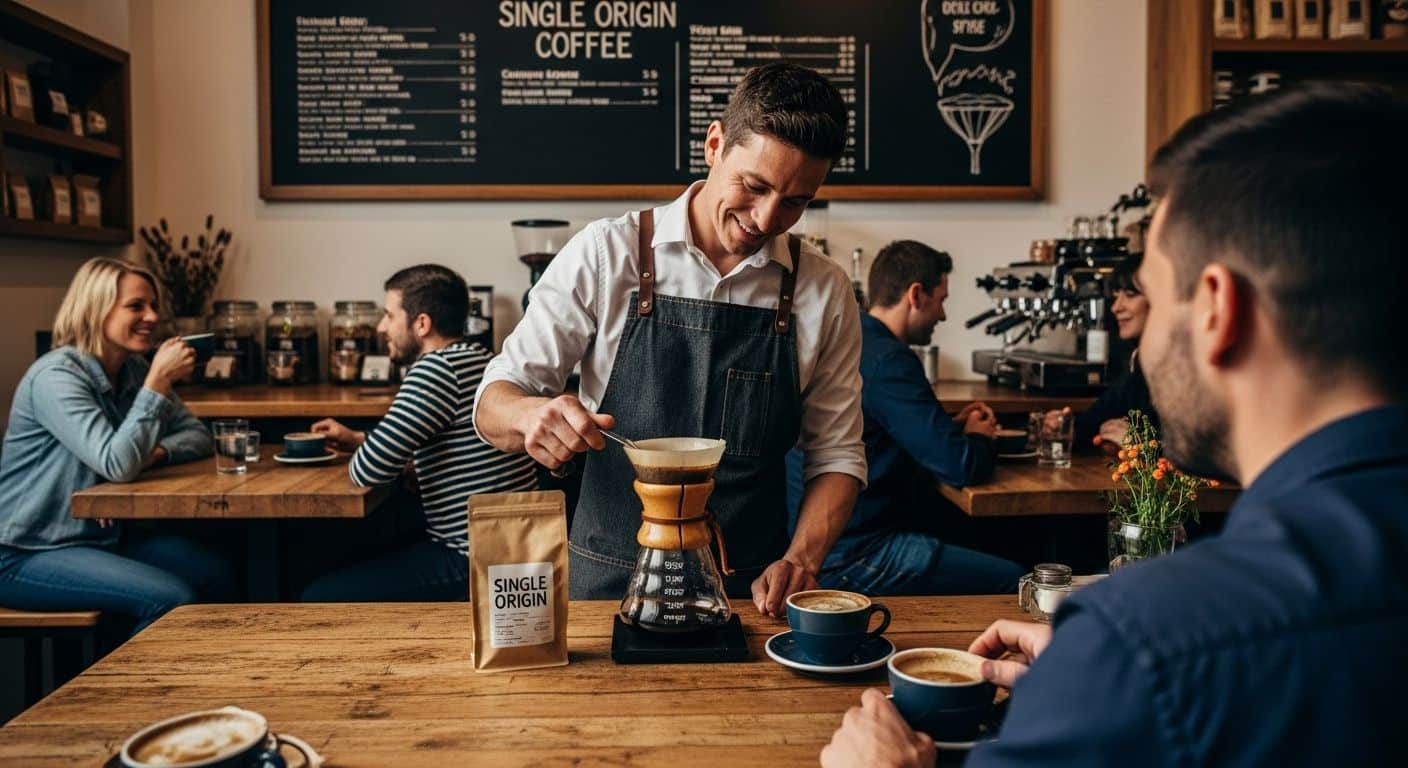
Coffee competitions have become significant drivers of quality development, market access, and pricing dynamics in single origin coffee. Having participated in competitions as judge, organizer, and buyer of competition coffees, I have observed their effects across the supply chain—effects that are largely positive but include complications worth understanding. This analysis examines how competitions shape single origin quality and markets.
The competition landscape includes several influential programs with different structures and emphases. Cup of Excellence, operating in over a dozen producing countries, uses multi-round evaluation to identify top-scoring lots that then sell through online auction. Best of Panama, focused on a single origin, has driven dramatic premiums for Panama's specialty sector. National and regional competitions identify quality across diverse contexts. World Coffee Championships evaluate barista, brewing, and roasting skills alongside coffee quality.
The quality development effects of competitions are substantial and documented. Producers preparing competition lots invest in every quality-influencing factor: selective harvesting to ensure ripe-only cherries, careful processing with attention to fermentation timing and drying uniformity, rigorous sorting to remove defects, optimal storage to preserve quality until evaluation. These practices produce measurably superior coffee—not through tricks but through disciplined execution of quality fundamentals.
I have visited farms during competition preparation and observed the intensity of effort. Pickers are trained and supervised more carefully; processing is monitored around the clock; samples are cupped repeatedly to verify quality. The investment of time and attention far exceeds what commercial production receives. This concentrated effort produces coffees that demonstrate what careful farming and processing can achieve.
The demonstration effect extends beyond competition lots themselves. Producers who learn quality practices for competition often apply them more broadly, improving their overall production quality. Neighboring producers observe competition success and adopt similar practices. Competition winners become local quality leaders whose methods spread through their communities. These spillover effects multiply competition impact beyond the small volumes that actually compete.
Market access through competitions transforms producer economics. A Cup of Excellence winner or Best of Panama medalist gains visibility with specialty roasters worldwide, often establishing purchasing relationships that persist beyond the competition year. The auction format generates prices that demonstrate quality value in concrete terms—prices that may exceed what producers thought possible and reset their expectations for ongoing relationships.
I have purchased competition coffees at prices that seemed extraordinary at the time and proved entirely justified by the cup quality delivered. These purchases also introduced me to producers I would never have found through conventional sourcing, expanding my supplier network and enabling relationships that continued for years after the original competition contact.
However, competition dynamics create complications that merit acknowledgment. The intensity required for competition success may not be sustainable for ongoing production. A producer who dedicates weeks to perfecting a competition lot may lack capacity to apply similar attention across their full harvest. The competition coffee represents peak quality that regular production cannot match.
I have observed producers struggle when roasters who purchased competition lots expected similar quality from subsequent harvests. The expectation gap creates relationship friction and sometimes disappointment that undermines trust built through competition success. Managing expectations—understanding that competition lots represent aspirational achievement rather than baseline capability—prevents this friction.
Competition scoring preferences shape producer behavior in ways that may or may not serve broader quality development. Judges reward specific flavor characteristics—clean cups with distinctive acidity, interesting aromatics, complex but balanced profiles. Producers learn to optimize for these preferences, potentially at the expense of characteristics that competitions do not emphasize but that some markets value.
The experimental processing trend reflects competition influence directly. Anaerobic fermentation, carbonic maceration, and other novel techniques often produce the distinctive, unusual flavors that stand out in competitive evaluation. Producers invest in experimental processing to differentiate in competition even when these methods may not produce the most balanced or universally appealing results. Competition success does not necessarily predict commercial success.
Auction dynamics create their own complications. The competitive bidding format, combined with limited availability and collector psychology, produces prices that may exceed quality-based valuation. A coffee that sells for $100 per pound at auction may not be ten times better than a coffee that sells for $10 per pound through conventional channels. Auction prices reflect scarcity, competition narrative, and bidder enthusiasm alongside cup quality.
I have observed auction prices that seemed disconnected from sensory merit—coffees that were good but not extraordinary commanding extraordinary prices. These outcomes can distort market signals, creating expectations that conventional pricing cannot satisfy and potentially discouraging producers whose excellent coffees do not achieve auction-level recognition.
The geographic concentration of competition success deserves attention. Certain origins—Panama, Ethiopia, Colombia—dominate competition results, reflecting both genuine quality advantages and accumulated competition expertise. Producers in these regions understand what judges reward and how to prepare samples for evaluation. Less competition-experienced origins may produce excellent coffee that fails to achieve recognition due to presentation rather than substance.
Expanding competition infrastructure and coaching to underrepresented origins could identify quality that current frameworks miss. I have cupped coffees from less-celebrated origins that deserved competition recognition but came from producers who lacked competition experience or entry resources.
My conclusion is that competitions play a valuable role in single origin quality development and market access, providing incentives for quality investment, visibility for exceptional producers, and pricing that demonstrates quality value. However, competition dynamics have limitations and potential distortions that sophisticated market participants should understand. Competition results indicate quality but do not comprehensively define it; competition prices indicate value but may reflect factors beyond cup merit. Integrating competition information with direct evaluation and relationship knowledge produces more complete quality assessment than competition results alone.

Daniel Carter
Emma Johnson is a coffee expert with years of experience in brewing techniques, coffee culture, and the global coffee industry. She has extensive knowledge of coffee origins, roasting methods, equipment, and preparation practices, and regularly shares insights, guides, and tips to help enthusiasts and beginners enhance their coffee experience.
You Might Also Like
Comments
-
 Reply
ReplyDaniel Carter
Jun 23, 2025, 11:45 am
I’ve been experimenting with different brewing methods for a few months, and this guide really helped me understand the nuances between pour-over and French press. The tips on water temperature and grind size were especially useful. Thanks for sharing such a detailed article!
-
 Reply
ReplyRonda Otoole
Jun 23, 2025, 11:45 am
As a beginner, I often struggle with choosing the right coffee beans. This post broke down the flavor profiles clearly and gave practical advice on selecting beans based on taste preferences. I feel much more confident in my next purchase now.
 Reply
ReplyJames Whitley
Jun 23, 2025, 11:45 am
Loved the section about sustainable coffee practices! It’s great to see articles that not only focus on brewing but also educate readers on ethical sourcing and environmental impact. Definitely inspired me to try beans from local fair-trade roasters.
-
 Reply
ReplyKimberly Chretien
Jun 23, 2025, 11:45 am
I tried some of the latte art tips from this blog, and even though I’m still a beginner, my coffee looks way better now. The step-by-step instructions and real-world examples made it really easy to follow. Can’t wait to try more techniques!
-
 Reply
ReplyDaniel Carter
Jun 23, 2025, 11:45 am
I really appreciate how this post explains coffee concepts in a simple, approachable way. The breakdown of aroma, acidity, and body helped me understand why different coffees taste the way they do. It’s the kind of article I’ll come back to whenever I try a new bean.