

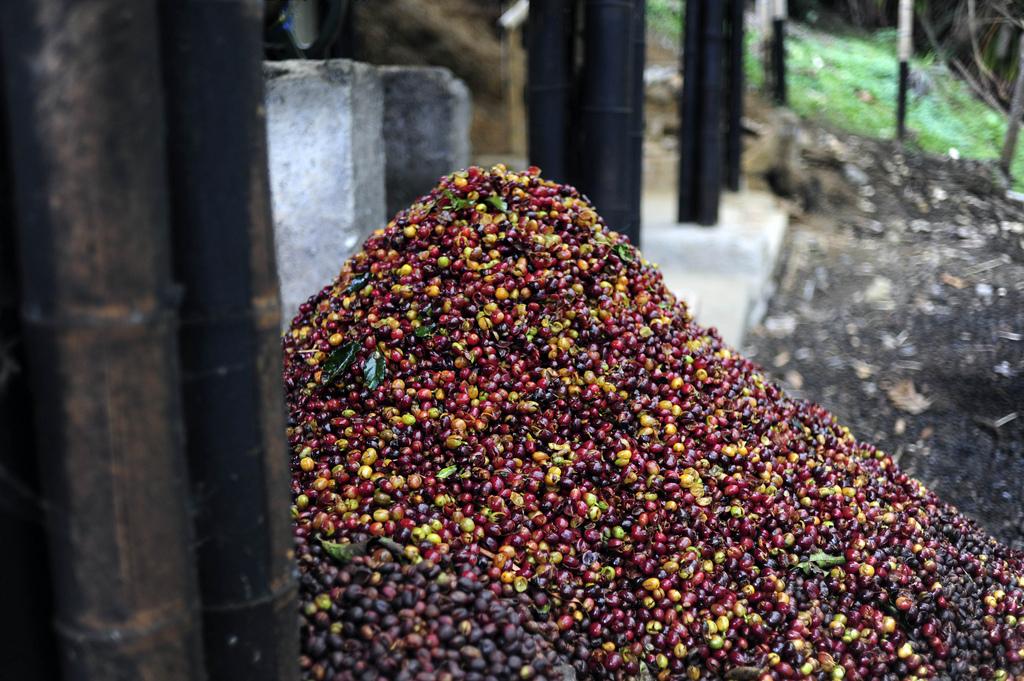
Over the past fifteen years, I have visited the same coffee-growing regions repeatedly—returning to farms in Guatemala, Ethiopia, Kenya, and Colombia at regular intervals to maintain relationships and evaluate consistency. What I have witnessed during this period is not subtle variation within normal agricultural cycles but fundamental transformation in growing conditions that is reshaping single origin coffee in ways the industry has barely begun to acknowledge. Climate change is not a future threat to specialty coffee; it is a present reality that is already altering flavor profiles, challenging traditional sourcing models, and forcing difficult decisions about what single origin authenticity will mean in a destabilized climate.
The most immediate and measurable impact involves temperature increases that are pushing viable coffee cultivation to higher altitudes. Arabica coffee evolved in the cool highlands of Ethiopia and performs optimally within relatively narrow temperature bands—roughly 18-22°C average temperature for quality production. As temperatures rise, the elevation required to achieve these conditions increases correspondingly. Farms that produced exceptional coffee at 1,400 meters a decade ago may now require cultivation at 1,600 meters or higher to achieve comparable quality.
I have documented this shift through repeated cupping of coffees from the same producers over time. A Guatemalan farm I have purchased from since 2012 has seen its best lots migrate progressively upslope. The lower sections that once produced complex, fruit-forward cups now yield coffee with notably lower acidity, reduced aromatic complexity, and flatter flavor profiles. The farmer has responded by focusing investment on higher parcels, but this adaptation has limits—eventually, the farm runs out of altitude.
The flavor profile changes I have observed across warming regions share common characteristics: decreased acidity brightness, reduced aromatic complexity, increased body but often at the expense of elegance, and accelerated maturation that produces less sugar development in the cherry. These changes are gradual enough that year-to-year comparisons may miss them, but comparing current production to samples from a decade ago reveals unmistakable degradation in the distinctive characteristics that made these origins valuable.
Rainfall unpredictability compounds temperature effects. Coffee requires specific precipitation patterns—adequate rainfall during vegetative growth and flowering, followed by dry periods during maturation and harvest. Climate disruption has scrambled these patterns in many producing regions. Extended wet periods during harvest create processing nightmares, promoting fermentation defects and mold development. Drought stress during flowering reduces yields and can permanently damage trees. Irregular rainfall makes traditional processing methods unreliable.
I visited a cooperative in East Africa during a harvest season where unexpected rainfall extended fermentation times beyond controllable limits. The resulting lots displayed over-fermented characteristics—boozy, vinegary notes that destroyed the clean fruit profiles the region is known for. This was not farmer negligence; it was environmental conditions that exceeded the processing infrastructure's capacity to manage. Such events, once exceptional, are becoming regular occurrences.
Pest and disease pressure intensifies as climate patterns shift. Coffee berry borer, the most economically significant coffee pest, thrives in warmer conditions and is expanding into previously unaffected regions. Coffee leaf rust, the fungal disease that devastated Central American production in the early 2010s, benefits from the combination of increased temperatures and humidity that climate change is producing in many regions. Farmers face escalating costs for pest and disease management while dealing with yield reductions from climate stress.
From a sourcing perspective, these changes fundamentally challenge the traditional single origin model. The implicit promise of single origin coffee is that geographic specificity predicts distinctive flavor—that Ethiopian Yirgacheffe will taste like Yirgacheffe, that Guatemalan Huehuetenango will deliver its characteristic profile. But when the environmental conditions that produced those profiles are changing, what exactly does the origin name guarantee?
I have grappled with this question directly in purchasing decisions. When a farm I have bought from for years produces coffee that no longer resembles its historical profile—not due to processing failure or agricultural neglect, but due to environmental conditions beyond anyone's control—what is the ethical purchasing response? Continuing to buy supports the farmer but may disappoint consumers expecting the established profile. Discontinuing purchases punishes farmers for environmental changes they did not cause.
The industry's adaptation strategies remain inadequate to the scale of the problem. Climate-resilient varieties are being developed, but breeding programs require decades, and many promising varieties sacrifice cup quality for disease resistance or heat tolerance. Geographic migration—moving production to newly viable areas at higher altitudes or latitudes—is constrained by land availability, infrastructure, and the social disruption of relocating agricultural communities. Processing innovation can compensate for some climate effects but cannot fundamentally overcome degraded raw material.
Consumers largely remain unaware of these dynamics. Marketing narratives emphasize the romance of origin while obscuring the environmental pressures that threaten the continuity of those origins. When consumers purchase single origin coffee expecting the profile they experienced previously, and instead receive something notably different, their disappointment often targets the roaster or farmer rather than recognizing the systemic cause.
I believe the industry has an obligation to communicate more honestly about climate impacts. This means acknowledging when origin profiles are shifting, explaining the environmental causes, and helping consumers understand that agricultural products reflect growing conditions that are increasingly unstable. Such transparency risks reducing the premium value of origin-specific positioning, but maintaining misleading expectations ultimately damages trust more severely.
The financial implications for producers are severe. Farmers who invested in quality infrastructure and specialty market access based on their regions' historical profiles may find those profiles degrading through no fault of their own. Premiums that once rewarded quality may become inaccessible as quality becomes harder to achieve. The economic sustainability of smallholder specialty coffee production is genuinely threatened in climate-vulnerable regions.
My conclusion from witnessing these changes firsthand is that climate change requires fundamental rethinking of single origin coffee's value proposition. The concept retains validity—geographic factors still influence flavor, and transparency about sourcing remains valuable—but the implicit promise of consistent, predictable profiles based on origin name alone is increasingly untenable. The industry must develop new frameworks that acknowledge climate variability, support farmer adaptation, and help consumers understand that single origin coffee exists within ecological systems undergoing profound transformation.
What remains clear is that the single origin coffees we enjoy today may not exist in recognizable form within our lifetimes. The distinctive profiles that define regions like Yirgacheffe, Huehuetenango, or Boquete evolved under climate conditions that are rapidly changing. Preserving what we value about single origin coffee requires not just purchasing decisions but systemic engagement with the climate crisis that threatens the entire foundation of quality coffee production.

Daniel Carter
Emma Johnson is a coffee expert with years of experience in brewing techniques, coffee culture, and the global coffee industry. She has extensive knowledge of coffee origins, roasting methods, equipment, and preparation practices, and regularly shares insights, guides, and tips to help enthusiasts and beginners enhance their coffee experience.
You Might Also Like
Comments
-
 Reply
ReplyDaniel Carter
Jun 23, 2025, 11:45 am
I’ve been experimenting with different brewing methods for a few months, and this guide really helped me understand the nuances between pour-over and French press. The tips on water temperature and grind size were especially useful. Thanks for sharing such a detailed article!
-
 Reply
ReplyRonda Otoole
Jun 23, 2025, 11:45 am
As a beginner, I often struggle with choosing the right coffee beans. This post broke down the flavor profiles clearly and gave practical advice on selecting beans based on taste preferences. I feel much more confident in my next purchase now.
 Reply
ReplyJames Whitley
Jun 23, 2025, 11:45 am
Loved the section about sustainable coffee practices! It’s great to see articles that not only focus on brewing but also educate readers on ethical sourcing and environmental impact. Definitely inspired me to try beans from local fair-trade roasters.
-
 Reply
ReplyKimberly Chretien
Jun 23, 2025, 11:45 am
I tried some of the latte art tips from this blog, and even though I’m still a beginner, my coffee looks way better now. The step-by-step instructions and real-world examples made it really easy to follow. Can’t wait to try more techniques!
-
 Reply
ReplyDaniel Carter
Jun 23, 2025, 11:45 am
I really appreciate how this post explains coffee concepts in a simple, approachable way. The breakdown of aroma, acidity, and body helped me understand why different coffees taste the way they do. It’s the kind of article I’ll come back to whenever I try a new bean.