

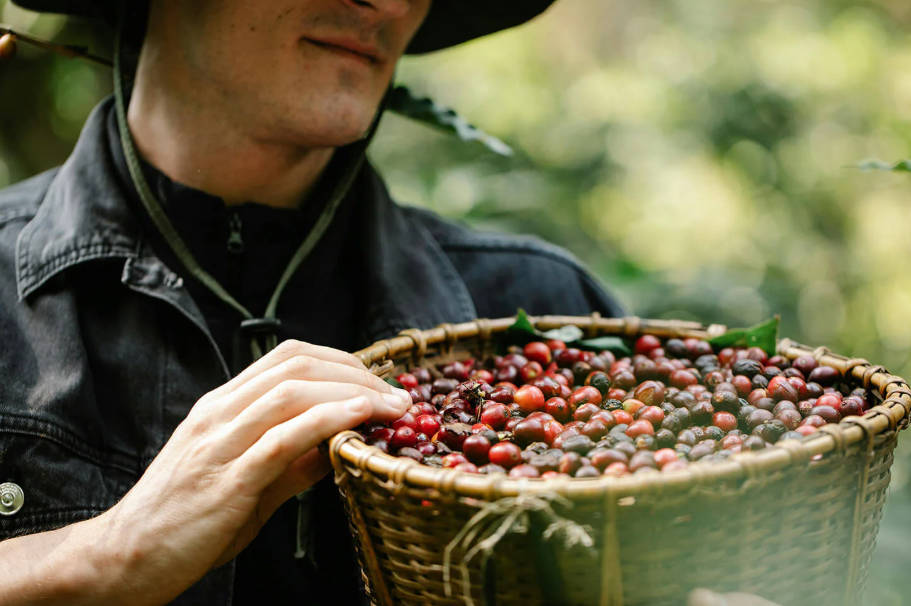
Regional origin shapes coffee character through the complex interaction of climate, altitude, soil, cultivation practices, and processing traditions—the terroir that distinguishes coffee from different places. Understanding regional profiles enables strategic blend construction that leverages geographic diversity for flavor complexity. Having worked extensively with coffees from diverse origins, I examine how regional characteristics serve blend development.
The regional profile concept recognizes that coffees from different places exhibit different characteristic tendencies. Ethiopian coffees often display floral and fruity character; Brazilian coffees often exhibit nutty and chocolatey notes; Kenyan coffees often feature bright, complex acidity. These regional tendencies provide a starting framework for blend component selection, though individual lots within regions vary significantly.
I use regional profiles as initial guidance rather than definitive prediction. When seeking bright acidity for a blend, African origins provide logical starting points; when seeking body foundation, Indonesian or Brazilian origins merit consideration. This regional orientation focuses sourcing efficiently while remaining open to exceptions that defy regional tendencies.
Climate effects on coffee character operate through temperature patterns, rainfall distribution, and seasonal variation. Coffees grown in cooler climates often develop more complex acidity; those from warmer climates may exhibit more body and less brightness. Understanding climate-character relationships helps predict how geographic choices affect blend contributions.
I consider climate factors when evaluating potential components, recognizing how growing conditions likely influenced the character I observe in cupping. This climate awareness enriches evaluation beyond pure sensory assessment, providing context that improves selection decisions.
Altitude influences coffee density and development, affecting both flavor character and roasting behavior. Higher altitude coffees typically develop more slowly, producing denser beans with more complex flavor potential; lower altitude coffees develop faster with typically simpler profiles. Altitude effects interact with other regional factors to produce distinctive character.
I note altitude information alongside sensory evaluation, understanding how elevation contributed to observed characteristics. High-altitude components often contribute complexity and acidity; lower-altitude components may provide body and sweetness. This altitude awareness guides component selection toward contributions that serve blend objectives.
Soil composition affects nutrient availability and plant health in ways that influence flavor development. Volcanic soils, common in many premium coffee regions, provide mineral content that affects cup character. Soil-character relationships are less predictable than climate or altitude effects but contribute to regional distinctiveness.
I recognize soil influence as contributing factor without overemphasizing its predictive value. Soil effects interact with cultivation practices, varietal selection, and processing in complex ways that resist simple prediction. Acknowledging soil contribution enriches understanding without suggesting deterministic relationships.
Processing traditions vary regionally, contributing to regional flavor profiles alongside agricultural factors. Ethiopian processing emphasizes natural methods that enhance fruit character; Central American traditions favor washed processing that emphasizes clarity; Indonesian wet-hulling produces distinctive body and earthy notes. Processing tradition shapes regional character as much as agriculture.
I consider regional processing tendencies when interpreting regional profiles. The bright fruit of Ethiopian naturals reflects processing as much as origin; the clean clarity of Colombian washed coffees reflects method as much as terroir. Understanding processing contribution prevents misattributing processing effects to geographic factors.
Blend construction using regional profiles involves strategic combination of regional characters toward unified blend objectives. Combining Ethiopian brightness with Brazilian foundation creates different character than combining Kenyan brightness with Sumatran foundation. Regional selection determines the palette from which blend character emerges.
I approach regional selection strategically, choosing origins whose characteristic tendencies serve intended blend character. This strategic orientation differs from simple quality aggregation—the goal is not combining excellent coffees but combining appropriate regional characters. Strategic regional selection produces more intentional blend outcomes.
Complementary pairing leverages regional differences for flavor complexity. Regions with contrasting but compatible characters create blends with more dimensionality than single-region approaches. The contrast creates interest; the compatibility enables integration. Identifying complementary regional pairings expands blend development possibilities.
I evaluate regional pairings for both contrast and compatibility. Strong contrast without compatibility produces blends that taste like mixtures; compatibility without contrast produces blends that lack interest. The optimal pairings provide enough contrast for complexity while maintaining enough compatibility for integration.
Seasonal availability of regional components affects blend planning and consistency. Different origins harvest at different times; relying on fresh-crop character from multiple origins requires planning around harvest calendars. Understanding regional availability enables blend design that can be executed throughout the year.
I plan blend component sourcing around regional harvest calendars, ensuring that needed regional contributions are available when needed. This calendar awareness prevents designing blends that cannot be consistently produced due to component availability gaps.
My conclusion from working with regional profiles in blend development is that geographic diversity provides tools for flavor complexity that single-region approaches cannot match. Understanding regional characteristics—climate, altitude, soil, and processing traditions—enables strategic component selection that serves blend objectives. The regional knowledge that supports effective blend development accumulates over time through cupping experience, origin visits, and systematic documentation. Blend programs that master regional profile utilization access flavor possibilities that regionally-naive approaches cannot achieve.

Sophia Reynolds
Emma Johnson is a coffee expert with years of experience in brewing techniques, coffee culture, and the global coffee industry. She has extensive knowledge of coffee origins, roasting methods, equipment, and preparation practices, and regularly shares insights, guides, and tips to help enthusiasts and beginners enhance their coffee experience.
You Might Also Like
Comments
-
 Reply
ReplySophia Reynolds
Jun 23, 2025, 11:45 am
I’ve been experimenting with different brewing methods for a few months, and this guide really helped me understand the nuances between pour-over and French press. The tips on water temperature and grind size were especially useful. Thanks for sharing such a detailed article!
-
 Reply
ReplyRonda Otoole
Jun 23, 2025, 11:45 am
As a beginner, I often struggle with choosing the right coffee beans. This post broke down the flavor profiles clearly and gave practical advice on selecting beans based on taste preferences. I feel much more confident in my next purchase now.
 Reply
ReplyJames Whitley
Jun 23, 2025, 11:45 am
Loved the section about sustainable coffee practices! It’s great to see articles that not only focus on brewing but also educate readers on ethical sourcing and environmental impact. Definitely inspired me to try beans from local fair-trade roasters.
-
 Reply
ReplyKimberly Chretien
Jun 23, 2025, 11:45 am
I tried some of the latte art tips from this blog, and even though I’m still a beginner, my coffee looks way better now. The step-by-step instructions and real-world examples made it really easy to follow. Can’t wait to try more techniques!
-
 Reply
ReplySophia Reynolds
Jun 23, 2025, 11:45 am
I really appreciate how this post explains coffee concepts in a simple, approachable way. The breakdown of aroma, acidity, and body helped me understand why different coffees taste the way they do. It’s the kind of article I’ll come back to whenever I try a new bean.