

This guide synthesizes lessons from years of professional coffee work into actionable recommendations for enthusiasts at all levels. Whether you are a curious consumer beginning your single origin exploration, a developing barista building professional skills, or a home enthusiast seeking to deepen your appreciation, these recommendations provide pathways to enhanced experience and understanding.
For consumers beginning single origin exploration, start with coffees from regions with established reputations and clear flavor profiles. Ethiopian coffees, with their distinctive fruit-forward character, demonstrate dramatically what single origin can offer compared to generic blends. Colombian coffees provide accessible entry with their balanced sweetness. Brazilian coffees offer approachable chocolate and nut profiles. These origins provide clear reference points that orient further exploration.
Purchase from roasters who provide meaningful origin information and freshness guarantees. The roaster's selection and presentation indicate their commitment to quality; those who source carefully and communicate transparently produce better consumer experiences than those who simply acquire and sell. Ask questions—knowledgeable roasters welcome engagement and can guide exploration productively.
Invest in a decent grinder before investing in expensive coffees. The flavor difference between freshly ground and pre-ground coffee exceeds the difference between good and exceptional beans. A basic hand grinder producing reasonably consistent particles transforms results more than doubling your bean budget. Grind immediately before brewing, every time.
Brew with attention rather than on autopilot. Single origin coffee rewards the attention required to taste its distinctive characteristics; brewing while distracted squanders what you paid for. Even simple improvements—consistent water temperature, appropriate grind size, attentive timing—significantly enhance results. Taste deliberately and notice what you perceive.
For developing baristas building professional skills, focus first on fundamentals: extraction theory, equipment operation, sensory evaluation basics. Advanced techniques cannot compensate for fundamental gaps. Master basic espresso extraction before exploring alternative methods; develop consistent pour-over technique before pursuing exotic approaches. The professionals who impress most are those whose fundamentals are impeccable, not those who attempt advanced techniques poorly.
Cup systematically and frequently. Professional sensory development requires volume—tasting many coffees, repeatedly, under consistent conditions. Seek calibration opportunities with experienced cuppers; participate in quality evaluation rather than only drinking. Build your reference library by tasting identified coffees with known characteristics.
Learn the supply chain. Understanding where coffee comes from, how it is processed, what creates quality differences, and what challenges producers face enriches both your professional capability and your appreciation. Visit origin if possible; study when travel is not feasible. This context transforms coffee from product to agricultural achievement.
For home enthusiasts seeking deeper engagement, develop systematic practice. Document your brewing—grind setting, dose, water volume, timing—and your sensory impressions. This documentation enables identifying what produces results you prefer and diagnosing problems when they occur. Review your notes before brewing the same coffee again.
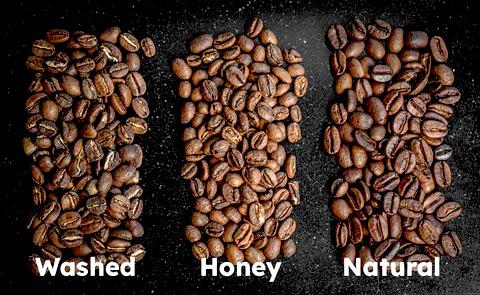
Explore deliberately rather than randomly. Instead of buying whatever looks interesting, design your exploration to build understanding. Compare the same origin processed differently (washed versus natural). Compare the same processing across different origins. These controlled comparisons reveal how specific factors influence flavor more clearly than random sampling.
Develop your vocabulary by connecting descriptors to perceptions. When professional tasting notes mention 'citrus acidity,' taste actual citrus while drinking coffee that supposedly displays it. Build personal references that enable you to apply descriptors meaningfully. Your vocabulary need not match industry conventions—personal frameworks that work for you serve better than borrowed language you do not really understand.
Engage with coffee community. Online forums, local cupping events, café conversations with knowledgeable baristas all provide learning opportunities. The single origin coffee community generally welcomes curious newcomers; most professionals enjoy sharing knowledge with interested consumers. This engagement accelerates learning and provides social dimension that enhances enjoyment.
Support practices you value. If sustainability matters to you, seek information about producer practices and support roasters who prioritize sustainability authentically. If you value direct relationships between roasters and farmers, patronize roasters who maintain such relationships genuinely rather than merely claiming them. Consumer choices influence market incentives; directing your spending toward practices you value supports their continuation.
Practice patience with your own development. Flavor discrimination and vocabulary develop over months and years, not days. Experienced professionals have thousands of hours of deliberate practice behind their capabilities. Comparing yourself to experts produces discouragement rather than learning. Compare yourself to your past self; celebrate progress rather than lamenting distance from mastery.
My conclusion from helping many people develop their coffee appreciation is that the journey rewards effort at every stage. Beginners can experience profound pleasure from well-brewed single origin coffee even without sophisticated palate development. Advanced enthusiasts continue discovering new dimensions in coffees they might have dismissed as familiar. There is no endpoint where learning completes—only progressive deepening that continues as long as attention persists. Single origin coffee offers essentially unlimited opportunity for exploration and appreciation; the recommendations in this guide provide pathways into that opportunity.

Daniel Carter
Emma Johnson is a coffee expert with years of experience in brewing techniques, coffee culture, and the global coffee industry. She has extensive knowledge of coffee origins, roasting methods, equipment, and preparation practices, and regularly shares insights, guides, and tips to help enthusiasts and beginners enhance their coffee experience.
You Might Also Like
Comments
-
 Reply
ReplyDaniel Carter
Jun 23, 2025, 11:45 am
I’ve been experimenting with different brewing methods for a few months, and this guide really helped me understand the nuances between pour-over and French press. The tips on water temperature and grind size were especially useful. Thanks for sharing such a detailed article!
-
 Reply
ReplyRonda Otoole
Jun 23, 2025, 11:45 am
As a beginner, I often struggle with choosing the right coffee beans. This post broke down the flavor profiles clearly and gave practical advice on selecting beans based on taste preferences. I feel much more confident in my next purchase now.
 Reply
ReplyJames Whitley
Jun 23, 2025, 11:45 am
Loved the section about sustainable coffee practices! It’s great to see articles that not only focus on brewing but also educate readers on ethical sourcing and environmental impact. Definitely inspired me to try beans from local fair-trade roasters.
-
 Reply
ReplyKimberly Chretien
Jun 23, 2025, 11:45 am
I tried some of the latte art tips from this blog, and even though I’m still a beginner, my coffee looks way better now. The step-by-step instructions and real-world examples made it really easy to follow. Can’t wait to try more techniques!
-
 Reply
ReplyDaniel Carter
Jun 23, 2025, 11:45 am
I really appreciate how this post explains coffee concepts in a simple, approachable way. The breakdown of aroma, acidity, and body helped me understand why different coffees taste the way they do. It’s the kind of article I’ll come back to whenever I try a new bean.