

Experimental processing has transformed single origin coffee over the past decade, introducing flavor possibilities that conventional methods cannot achieve and creating market differentiation that commands significant premiums. Having evaluated hundreds of experimentally processed coffees and observed processing innovation firsthand at origin, I offer a grounded assessment of what these techniques accomplish, what risks they carry, and how to evaluate their results.
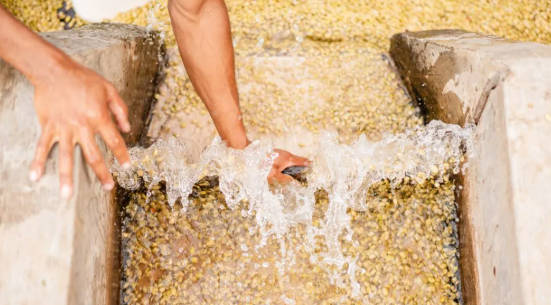
The processing stage that experimental techniques primarily modify is fermentation—the microbial breakdown of coffee cherry mucilage that precedes drying. Conventional fermentation occurs in open tanks or on drying surfaces, with limited control over temperature, duration, or microbial population. Experimental approaches introduce control variables that influence fermentation outcomes and thereby flavor development.
Anaerobic fermentation conducts fermentation in sealed containers that exclude oxygen, creating conditions favoring different microbial populations than aerobic fermentation. The resulting flavor profiles often include enhanced fruit character, wine-like complexity, and distinctive aromatic compounds that open-air fermentation does not produce. When executed well, anaerobic fermentation can create genuinely exceptional coffees with unique and compelling character.
I have cupped anaerobic coffees that ranked among the most interesting I have ever tasted—vibrant fruit complexity with unexpected flavor notes that conventional processing could not have produced. These coffees demonstrated that processing innovation can genuinely expand the flavor space available to single origin coffee.
However, anaerobic fermentation also carries elevated risk. The sealed environment that produces distinctive flavors can also produce off-flavors if conditions shift unfavorably. Insufficient temperature control during extended anaerobic fermentation can promote undesirable microbial activity; the resulting coffees may exhibit boozy, vinegary, or phenolic characteristics that constitute defects rather than interesting complexity.
I have also cupped anaerobic coffees that were genuinely problematic—fermentation gone wrong producing flavors that no amount of roasting or brewing optimization could redeem. The gap between exceptional anaerobic results and defective ones is narrower than the gap between good and bad conventional processing. Anaerobic fermentation rewards precision and punishes error.
Carbonic maceration, adapted from wine production, places whole cherries in carbon dioxide-rich environments before conventional processing. The technique induces intracellular fermentation that produces distinctive flavor characteristics—often described as enhanced sweetness and reduced harshness. Results can be excellent but require significant infrastructure investment and technical understanding that many producers lack.
Extended fermentation protocols—doubling or tripling conventional fermentation times—intensify flavor development but also intensify risk. The line between beneficially extended fermentation and over-fermentation is difficult to identify and varies with conditions. I have seen producers successfully extend fermentation to 72 or 96 hours with excellent results; I have also seen 48-hour fermentation that went wrong due to temperature spikes or inappropriate starting conditions.
Thermal shock processing—alternating hot and cold water during fermentation—affects cellular permeability and enzyme activity in ways that influence flavor development. The technique is newer and less documented than anaerobic approaches; results vary widely and best practices are still emerging. Early examples I have cupped showed potential but also inconsistency that reflects the technique's developmental stage.
Yeast inoculation introduces specific cultured yeasts to replace or augment wild fermentation microbes. The approach borrows from wine and beer production, where controlled fermentation produces more predictable results than wild fermentation. Coffee applications are still experimental, but early results suggest that specific yeast strains can enhance specific flavor characteristics—increased fruit, enhanced sweetness, particular aromatic notes.
The market response to experimental processing has been enthusiastic, sometimes excessively so. Experimental coffees command significant premiums based partly on genuine quality and partly on novelty appeal. I have observed buyers paying premiums for experimental processing that could not be justified by cup quality alone—the novelty and storytelling value contributed to pricing alongside sensory merit.
This market enthusiasm creates incentive for producers to adopt experimental techniques whether or not they have the infrastructure and expertise to execute them successfully. A producer who sees neighbors achieving premiums for anaerobic coffee may attempt similar processing without the temperature control, monitoring, or experience necessary for consistent results. The failures that result undermine both the individual producer's position and broader market confidence in experimental processing.
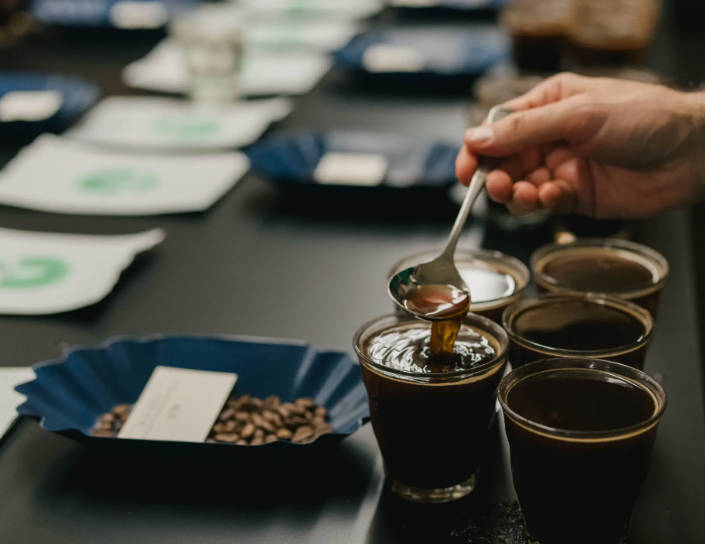
Quality evaluation of experimental coffees requires specific attention. I cup experimental coffees with questions beyond standard evaluation: Is the experimental character integrated or superimposed? Does the processing complement or overwhelm origin characteristics? Is the flavor balanced or merely distinctive? Would I want to drink this coffee daily or only as occasional curiosity? These questions distinguish genuinely excellent experimental coffees from technically interesting but practically unsatisfying ones.
The relationship between experimental processing and competition success deserves acknowledgment. Many recent competition winners have featured experimental processing, reflecting judges' appreciation for distinctive, complex flavor profiles that stand out in competitive evaluation. This competition success reinforces market enthusiasm but may not reflect how these coffees perform in everyday consumption contexts.
Consistency presents a fundamental challenge for experimental processing at scale. The precise control that produces exceptional results in small batches becomes difficult to maintain across larger volumes or multiple batches. I have purchased experimental coffees where the initial sample was extraordinary but subsequent deliveries varied disappointingly. This consistency challenge limits how experimental coffees can be positioned within commercial programs.
My conclusion is that experimental processing represents genuine innovation that has expanded single origin coffee's flavor possibilities. The techniques can produce exceptional results that conventional processing cannot achieve. However, they also carry elevated risks, require specialized expertise and infrastructure, and may not always justify the premiums they command. Sophisticated evaluation—beyond novelty appreciation to critical quality assessment—enables identifying experimental coffees that deliver genuine value versus those that are merely unusual. For producers, buyers, and consumers, understanding both the potential and the limitations of experimental processing enables better decisions about when these techniques serve quality versus when they represent trend-following without substance.

Daniel Carter
Emma Johnson is a coffee expert with years of experience in brewing techniques, coffee culture, and the global coffee industry. She has extensive knowledge of coffee origins, roasting methods, equipment, and preparation practices, and regularly shares insights, guides, and tips to help enthusiasts and beginners enhance their coffee experience.
You Might Also Like
Comments
-
 Reply
ReplyDaniel Carter
Jun 23, 2025, 11:45 am
I’ve been experimenting with different brewing methods for a few months, and this guide really helped me understand the nuances between pour-over and French press. The tips on water temperature and grind size were especially useful. Thanks for sharing such a detailed article!
-
 Reply
ReplyRonda Otoole
Jun 23, 2025, 11:45 am
As a beginner, I often struggle with choosing the right coffee beans. This post broke down the flavor profiles clearly and gave practical advice on selecting beans based on taste preferences. I feel much more confident in my next purchase now.
 Reply
ReplyJames Whitley
Jun 23, 2025, 11:45 am
Loved the section about sustainable coffee practices! It’s great to see articles that not only focus on brewing but also educate readers on ethical sourcing and environmental impact. Definitely inspired me to try beans from local fair-trade roasters.
-
 Reply
ReplyKimberly Chretien
Jun 23, 2025, 11:45 am
I tried some of the latte art tips from this blog, and even though I’m still a beginner, my coffee looks way better now. The step-by-step instructions and real-world examples made it really easy to follow. Can’t wait to try more techniques!
-
 Reply
ReplyDaniel Carter
Jun 23, 2025, 11:45 am
I really appreciate how this post explains coffee concepts in a simple, approachable way. The breakdown of aroma, acidity, and body helped me understand why different coffees taste the way they do. It’s the kind of article I’ll come back to whenever I try a new bean.