

Ethiopian Single Origin Coffee: Terroir, Tradition, and the Birthplace of Flavor
June 01, 2025
Having spent multiple harvest seasons working alongside exporters and smallholder farmers in Sidamo and Yirgacheffe, I have come to understand Ethiopian single origin coffee not as a product, but as a living agricultural culture. Ethiopia is often called the birthplace of coffee, but that phrase alone fails to explain why Ethiopian coffees remain unmatched in diversity, aromatic complexity, and genetic richness.
From an agronomic perspective, Ethiopia is unique because much of its coffee is still grown from indigenous heirloom varieties rather than standardized cultivars. These genetic lineages evolved naturally in forest ecosystems, adapting to microclimates, soil chemistry, and elevation over centuries. As a result, two coffees harvested only a few kilometers apart can exhibit radically different flavor profiles. This diversity presents both an opportunity and a challenge for buyers: consistency is harder to achieve, but character is unparalleled.
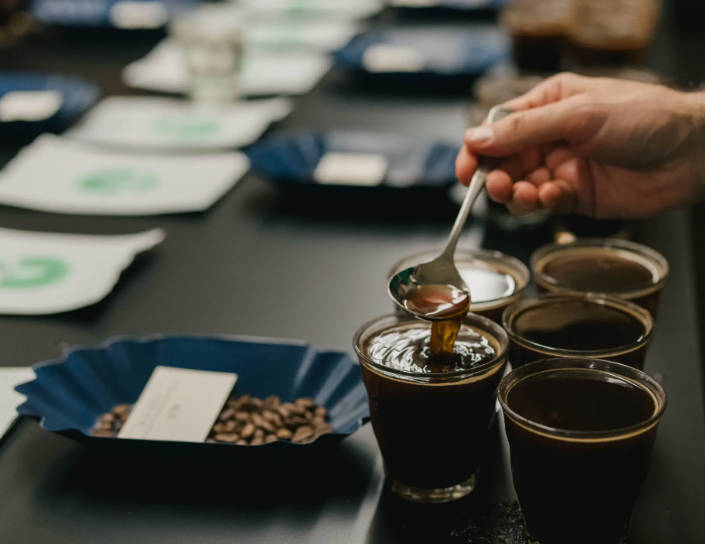
During cupping sessions conducted with regional quality teams, I observed that Ethiopian washed coffees consistently express layered acidity—often floral, tea-like, and citrus-driven—while natural processed lots lean toward ripe berry, tropical fruit, and wine-like fermentation notes. These profiles are not accidental. They are the direct result of altitude (often 1,800–2,200 meters), cooler night temperatures, and traditional processing methods that emphasize slow maturation and careful drying.
One often overlooked factor is the role of community washing stations. In many regions, thousands of farmers contribute cherries to centralized facilities. The skill of the station manager—controlling fermentation time, water quality, and drying conditions—has as much impact on cup quality as the farm itself. This human variable is why Ethiopian single origin coffees demand trust-based sourcing relationships rather than transactional buying.
From a sustainability standpoint, Ethiopia challenges modern certification narratives. Many coffees are organically grown by default, yet uncertified due to cost and bureaucracy. Experienced buyers know that on-the-ground verification and long-term partnerships often provide more meaningful assurance than labels alone.
In conclusion, Ethiopian single origin coffee represents the intersection of biodiversity, tradition, and terroir. It rewards patient roasting, careful brewing, and informed consumption. For those willing to move beyond simplified origin descriptors, Ethiopia offers not just flavor, but a deeper understanding of what coffee can be when culture and ecology evolve together.

Unknown Author
Emma Johnson is a coffee expert with years of experience in brewing techniques, coffee culture, and the global coffee industry. She has extensive knowledge of coffee origins, roasting methods, equipment, and preparation practices, and regularly shares insights, guides, and tips to help enthusiasts and beginners enhance their coffee experience.
You Might Also Like
Comments
-
 Reply
ReplyUnknown Author
Jun 23, 2025, 11:45 am
I’ve been experimenting with different brewing methods for a few months, and this guide really helped me understand the nuances between pour-over and French press. The tips on water temperature and grind size were especially useful. Thanks for sharing such a detailed article!
-
 Reply
ReplyRonda Otoole
Jun 23, 2025, 11:45 am
As a beginner, I often struggle with choosing the right coffee beans. This post broke down the flavor profiles clearly and gave practical advice on selecting beans based on taste preferences. I feel much more confident in my next purchase now.
 Reply
ReplyJames Whitley
Jun 23, 2025, 11:45 am
Loved the section about sustainable coffee practices! It’s great to see articles that not only focus on brewing but also educate readers on ethical sourcing and environmental impact. Definitely inspired me to try beans from local fair-trade roasters.
-
 Reply
ReplyKimberly Chretien
Jun 23, 2025, 11:45 am
I tried some of the latte art tips from this blog, and even though I’m still a beginner, my coffee looks way better now. The step-by-step instructions and real-world examples made it really easy to follow. Can’t wait to try more techniques!
-
 Reply
ReplyUnknown Author
Jun 23, 2025, 11:45 am
I really appreciate how this post explains coffee concepts in a simple, approachable way. The breakdown of aroma, acidity, and body helped me understand why different coffees taste the way they do. It’s the kind of article I’ll come back to whenever I try a new bean.