


Consumer education represents one of specialty coffee's most significant challenges—and opportunities. The value proposition of single origin coffee depends on consumer understanding: without appreciation for what distinguishes origins, why quality costs more, and how to experience differences, the premium pricing that sustains specialty production cannot survive. Having developed and delivered consumer education programs across multiple contexts, I share strategies that effectively communicate single origin value without condescension or overwhelming complexity.
The fundamental challenge is bridging the gap between professional knowledge and consumer experience. Coffee professionals inhabit a world of cupping scores, processing methods, varietal characteristics, and origin distinctions that most consumers have never encountered. Dumping this knowledge on unprepared consumers creates confusion and alienation rather than appreciation. Effective education meets consumers where they are and builds understanding incrementally.
Starting points matter enormously. When introducing single origin concepts to commodity coffee consumers, I begin not with origin geography or processing chemistry but with the simple observation that coffees can taste different from each other. Side-by-side tasting of distinctly different coffees—an Ethiopian alongside a Brazilian, for instance—demonstrates variation that consumers can perceive without prior training. This experiential foundation makes subsequent explanation meaningful.
I avoid leading with vocabulary. Terms like 'washed process,' 'Bourbon varietal,' or 'SCA score' mean nothing to novice consumers and signal exclusivity that may discourage engagement. Instead, I describe sensory experiences in accessible language and introduce technical vocabulary only after consumers have experienced what the terms describe. When someone tastes the brightness in a Kenyan coffee and asks what causes it, explaining acidity and origin characteristics answers a question they actually have.
Storytelling connects abstract concepts to human experience. Rather than lecturing about supply chain economics, I share stories about specific producers—their challenges, their innovations, their pride in their coffee. These stories create emotional connection that abstract information cannot. When consumers understand that a specific person grew the coffee they are drinking, price premiums become investment in that person's livelihood rather than arbitrary markups.
The stories that resonate most are those grounded in genuine relationship rather than manufactured narrative. I share stories from farms I have actually visited, conversations I have actually had, challenges I have actually witnessed. Consumers can distinguish authentic engagement from marketing fabrication; authenticity builds trust while manufactured storytelling undermines it.
Transparency about pricing builds credibility rather than undermining it. Many consumers assume that specialty coffee premiums disappear into roaster margins rather than reaching producers. Sharing actual pricing information—what farmers receive, what export and import costs add, what roasting and retail contribute—demonstrates that premiums reflect real costs across the supply chain. This transparency enables consumers to evaluate whether pricing seems fair rather than simply trusting claims.
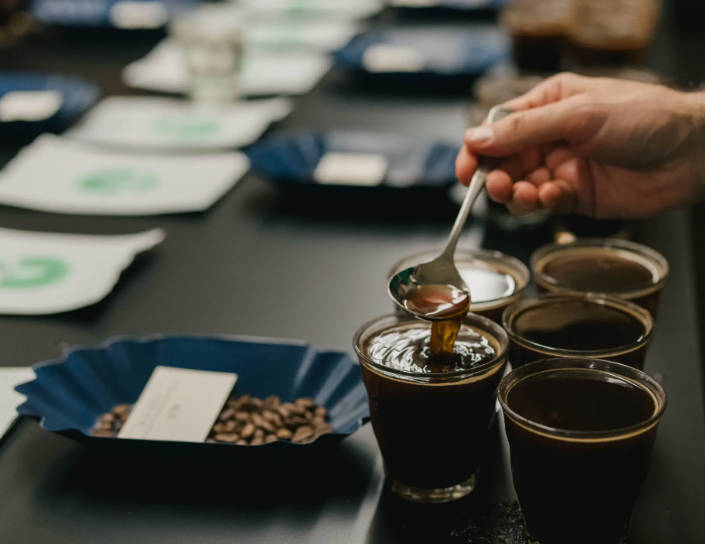
Interactive experiences prove more effective than passive presentation. Guided tastings where consumers evaluate coffees themselves—comparing acidity levels, identifying sweetness differences, describing their own perceptions—create ownership of the learning process. These experiences build confidence that carries beyond the educational session into purchasing decisions and daily consumption.
I structure comparative tastings to highlight specific differences rather than overwhelming with variety. Three coffees maximum for most sessions; more creates confusion rather than clarity. Each comparison should illustrate a specific concept—processing method differences, origin character differences, roast level effects. This focused approach builds cumulative understanding across sessions.
Avoiding condescension requires genuine respect for consumer intelligence and preferences. Not everyone needs to become a coffee expert; not everyone will prefer light-roasted single origins over familiar flavors. Education should empower choice rather than impose preference. When a consumer tastes an exceptional Ethiopian and prefers a simpler Brazilian, respecting that preference demonstrates that education serves the consumer rather than the educator's ego.
The language of tasting notes deserves particular attention in consumer education. Professional descriptors—'notes of bergamot, stone fruit, and honey'—often confuse rather than help consumers whose reference libraries do not include those specific experiences. I translate professional language into more accessible descriptions while acknowledging that taste perception is subjective and personal descriptors are valid.
Digital resources extend education beyond in-person encounters. Well-designed website content, instructional videos, and social media presence can reach consumers who never attend tastings or visit specialty cafés. However, digital education works best as complement to experiential learning rather than replacement. The combination of accessible online content with opportunities for in-person tasting creates effective educational pathways.
Retail staff training determines whether educational investment translates to consumer benefit. Knowledgeable, confident staff who can answer questions, make recommendations, and adapt their communication to customer needs provide education naturally through service interactions. I invest as much in training staff to communicate effectively as in developing formal educational programs.
Measuring educational effectiveness helps refine approaches over time. Consumer surveys, sales pattern analysis, and repeat purchase tracking reveal whether education translates to behavior change. Programs that increase consumer confidence, improve quality perception, and drive premium purchasing demonstrate effectiveness; those that merely consume resources without behavior impact need revision.
My conclusion from years of consumer education work is that the single origin segment's long-term health depends on expanding the base of informed consumers. Current specialty consumers, while valuable, represent a ceiling that limits growth. Breaking through that ceiling requires education that converts commodity consumers and deepens occasional specialty consumers' engagement. This education must be accessible, experiential, authentic, and respectful—characteristics that professional coffee culture does not always embody. Those who invest in effective consumer education contribute not just to their own commercial success but to the broader industry infrastructure that sustains specialty coffee production.

Daniel Carter
Emma Johnson is a coffee expert with years of experience in brewing techniques, coffee culture, and the global coffee industry. She has extensive knowledge of coffee origins, roasting methods, equipment, and preparation practices, and regularly shares insights, guides, and tips to help enthusiasts and beginners enhance their coffee experience.
You Might Also Like
Comments
-
 Reply
ReplyDaniel Carter
Jun 23, 2025, 11:45 am
I’ve been experimenting with different brewing methods for a few months, and this guide really helped me understand the nuances between pour-over and French press. The tips on water temperature and grind size were especially useful. Thanks for sharing such a detailed article!
-
 Reply
ReplyRonda Otoole
Jun 23, 2025, 11:45 am
As a beginner, I often struggle with choosing the right coffee beans. This post broke down the flavor profiles clearly and gave practical advice on selecting beans based on taste preferences. I feel much more confident in my next purchase now.
 Reply
ReplyJames Whitley
Jun 23, 2025, 11:45 am
Loved the section about sustainable coffee practices! It’s great to see articles that not only focus on brewing but also educate readers on ethical sourcing and environmental impact. Definitely inspired me to try beans from local fair-trade roasters.
-
 Reply
ReplyKimberly Chretien
Jun 23, 2025, 11:45 am
I tried some of the latte art tips from this blog, and even though I’m still a beginner, my coffee looks way better now. The step-by-step instructions and real-world examples made it really easy to follow. Can’t wait to try more techniques!
-
 Reply
ReplyDaniel Carter
Jun 23, 2025, 11:45 am
I really appreciate how this post explains coffee concepts in a simple, approachable way. The breakdown of aroma, acidity, and body helped me understand why different coffees taste the way they do. It’s the kind of article I’ll come back to whenever I try a new bean.