
Direct Trade and Single Origin Coffee: What Transparency Really Looks Like
May 14, 2025
I have participated in direct trade relationships with coffee producers for over a decade, negotiating contracts, visiting farms, and evaluating quality on site. The term "direct trade" is frequently associated with single origin coffee, yet it remains loosely defined and often misused. This article aims to clarify what genuine transparency looks like in practice.
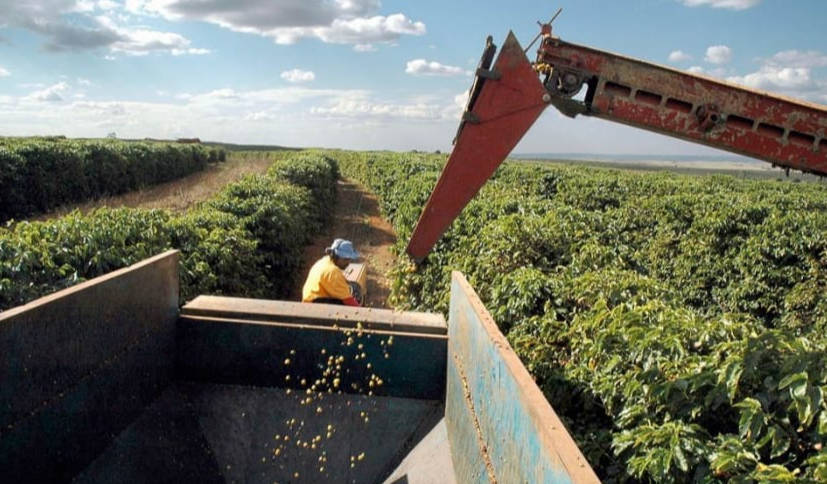
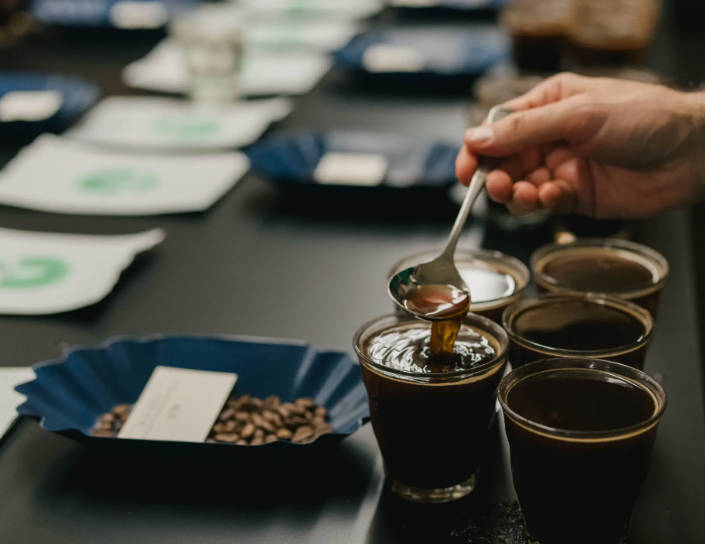
True direct trade begins with access to information. In legitimate relationships, buyers can identify the producer, farm location, harvest timeline, pricing structure, and quality benchmarks. I have reviewed contracts where premiums were tied to cupping scores and sustainability outcomes, creating mutual accountability.
One common misconception is that direct trade automatically guarantees ethical sourcing. In reality, ethical outcomes depend on long-term commitment, price stability, and shared risk. Short-term purchasing, even if direct, often fails to provide meaningful security for farmers.
From a quality perspective, direct trade enables feedback loops. I have worked with producers who adjusted fermentation protocols based on buyer input, resulting in measurable improvements in cup quality over multiple seasons. This iterative process is impossible in anonymous supply chains.
However, direct trade is not scalable for every roaster. Logistical complexity, capital requirements, and seasonal risk make it unsuitable for some operations. Understanding these limitations is essential to evaluating claims responsibly.
My conclusion is that transparency is not a label but a practice. Single origin coffee sourced through authentic direct trade reflects a shared investment in quality, trust, and long-term value rather than short-term marketing advantage.

Daniel Carter
Emma Johnson is a coffee expert with years of experience in brewing techniques, coffee culture, and the global coffee industry. She has extensive knowledge of coffee origins, roasting methods, equipment, and preparation practices, and regularly shares insights, guides, and tips to help enthusiasts and beginners enhance their coffee experience.
You Might Also Like
Comments
-
 Reply
ReplyDaniel Carter
Jun 23, 2025, 11:45 am
I’ve been experimenting with different brewing methods for a few months, and this guide really helped me understand the nuances between pour-over and French press. The tips on water temperature and grind size were especially useful. Thanks for sharing such a detailed article!
-
 Reply
ReplyRonda Otoole
Jun 23, 2025, 11:45 am
As a beginner, I often struggle with choosing the right coffee beans. This post broke down the flavor profiles clearly and gave practical advice on selecting beans based on taste preferences. I feel much more confident in my next purchase now.
 Reply
ReplyJames Whitley
Jun 23, 2025, 11:45 am
Loved the section about sustainable coffee practices! It’s great to see articles that not only focus on brewing but also educate readers on ethical sourcing and environmental impact. Definitely inspired me to try beans from local fair-trade roasters.
-
 Reply
ReplyKimberly Chretien
Jun 23, 2025, 11:45 am
I tried some of the latte art tips from this blog, and even though I’m still a beginner, my coffee looks way better now. The step-by-step instructions and real-world examples made it really easy to follow. Can’t wait to try more techniques!
-
 Reply
ReplyDaniel Carter
Jun 23, 2025, 11:45 am
I really appreciate how this post explains coffee concepts in a simple, approachable way. The breakdown of aroma, acidity, and body helped me understand why different coffees taste the way they do. It’s the kind of article I’ll come back to whenever I try a new bean.