
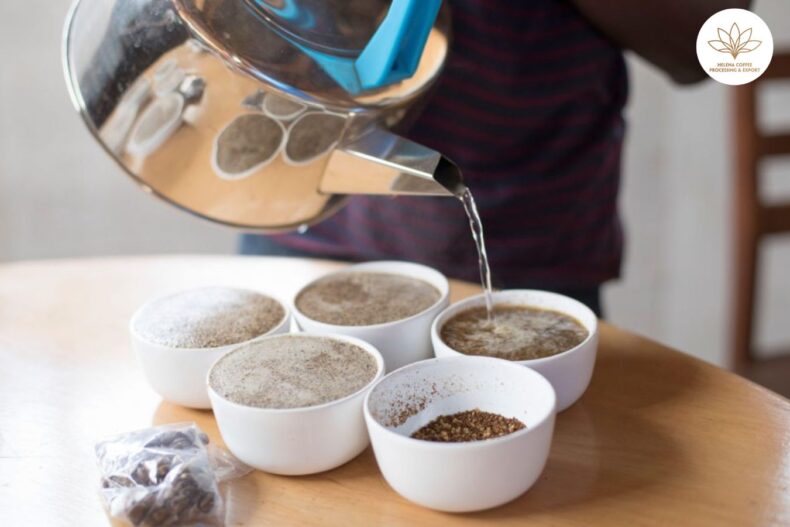
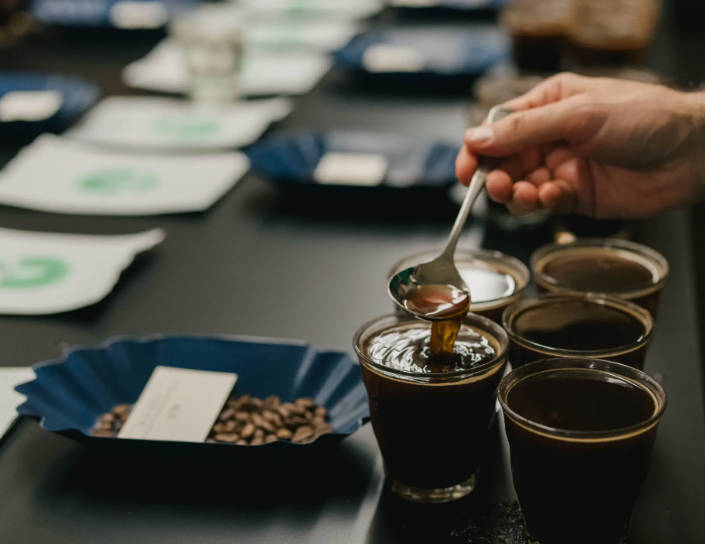
Cupping protocols adapted for blend development provide the sensory evaluation foundation that enables objective assessment, systematic refinement, and consistent quality. Standard cupping protocols serve individual coffee evaluation; blend-specific protocols address the additional questions that blend development raises. Having developed evaluation methodologies for numerous blend programs, I examine protocol elements that serve blend-specific needs.
The evaluation challenge for blends involves assessing combination outcomes rather than individual coffee quality. Does the blend achieve its character objectives? Do components integrate effectively? Is balance appropriate? These blend-specific questions require adapted evaluation approaches that standard protocols do not address.
I design blend evaluation protocols around blend-specific questions rather than applying generic quality protocols unchanged. This adaptation ensures that evaluation generates information relevant to blend improvement rather than individual component assessment.
Reference standard comparison provides the benchmark for blend evaluation. The reference represents intended character—the target against which production should be measured. Evaluation assesses current production against this target rather than against abstract quality criteria.
I establish reference standards for every signature blend, cupping them regularly to maintain calibrated understanding of intended character. Production evaluation compares against these references; deviation from reference indicates production variation requiring investigation.
Blind evaluation protocols prevent expectation effects from influencing perception. When evaluators know which sample is production versus reference, expectations can influence perception and compromise evaluation accuracy. Blind protocols ensure that assessment reflects actual sensory experience.
I implement blind evaluation for production quality assessment, ensuring that evaluators cannot identify samples during evaluation. Only after evaluation completion is sample identity revealed. This blind discipline produces more accurate assessment than aware evaluation.
Component cupping alongside blend evaluation reveals how individual elements contribute to combination. Tasting components separately, then tasting the blend, demonstrates what each component provides and how components interact. This comparative approach illuminates blend dynamics that blend-only evaluation cannot reveal.
I include component samples in blend evaluation sessions, enabling comparison that reveals contribution patterns. When blend character disappoints, component comparison helps identify which component is responsible; when blend succeeds, component comparison reveals what each element contributed.
Integration assessment evaluates how well components combine into unified experience. Do components integrate into coherent whole, or do they remain perceptually distinct? Integration represents the value blending adds; evaluating integration reveals whether that value is achieved.
I assess integration explicitly during blend evaluation, noting whether the blend tastes like unified coffee or like combined components. Low integration indicates that blend architecture or execution needs refinement; high integration confirms successful combination.
Balance assessment evaluates whether flavor elements relate appropriately. Does acidity balance body? Does sweetness balance bitterness? Do aromatics align with taste? Balance represents the structural foundation of blend satisfaction; evaluating balance ensures that foundation is sound.
I assess balance through attention to element relationships rather than individual element evaluation. The question is not whether acidity is appropriate in isolation but whether acidity relates appropriately to other elements. This relational assessment captures balance in ways that individual scoring cannot.
Temporal evaluation assesses character through the tasting arc—attack, mid-palate, finish, and aftertaste. Blend character may vary through these phases; evaluation should capture temporal dynamics rather than just initial impression.
I evaluate blends across temporal phases, noting how character evolves from first taste through finish. This temporal attention identifies phase-specific issues that single-point evaluation would miss and ensures that intended character persists through the complete experience.
Application-specific evaluation assesses blend performance in intended use contexts. Cupping provides standardized evaluation but may not predict application performance; espresso, filter, and other applications require method-specific assessment.
I conduct application evaluation alongside cupping for blends with specific intended uses. This application testing verifies that cupping quality translates to application quality and identifies application-specific issues that cupping might miss.
Panel calibration maintains consistent evaluation across assessors and sessions. Individual perception varies; calibration ensures that evaluations from different people and different times remain comparable. Without calibration, evaluation data cannot be meaningfully aggregated.
I conduct regular calibration sessions where panel members cup reference samples and compare evaluations. Divergence from group consensus indicates individual drift requiring correction. This ongoing calibration maintains evaluation reliability.
Documentation captures evaluation results for quality tracking and improvement. Recording scores, observations, and decisions creates institutional knowledge that enables trend identification and informs refinement efforts. Undocumented evaluation provides only immediate feedback; documented evaluation builds continuous improvement capability.
I maintain comprehensive evaluation records including all cupping sessions, scores, observations, and resulting decisions. Periodic review of accumulated records identifies patterns that individual sessions cannot reveal—seasonal trends, recurring issues, successful interventions.
My conclusion from developing blend evaluation protocols is that adapted cupping methodology serves blend development differently than standard protocols serve individual coffee assessment. The adaptations that work—reference comparison, blind evaluation, component cupping, integration and balance assessment, temporal and application evaluation, panel calibration, and comprehensive documentation—create evaluation capability specifically suited to blend-specific needs. Programs that invest in adapted evaluation methodology make better blend decisions than those applying generic protocols unchanged.

Sophia Reynolds
Emma Johnson is a coffee expert with years of experience in brewing techniques, coffee culture, and the global coffee industry. She has extensive knowledge of coffee origins, roasting methods, equipment, and preparation practices, and regularly shares insights, guides, and tips to help enthusiasts and beginners enhance their coffee experience.
You Might Also Like
Comments
-
 Reply
ReplySophia Reynolds
Jun 23, 2025, 11:45 am
I’ve been experimenting with different brewing methods for a few months, and this guide really helped me understand the nuances between pour-over and French press. The tips on water temperature and grind size were especially useful. Thanks for sharing such a detailed article!
-
 Reply
ReplyRonda Otoole
Jun 23, 2025, 11:45 am
As a beginner, I often struggle with choosing the right coffee beans. This post broke down the flavor profiles clearly and gave practical advice on selecting beans based on taste preferences. I feel much more confident in my next purchase now.
 Reply
ReplyJames Whitley
Jun 23, 2025, 11:45 am
Loved the section about sustainable coffee practices! It’s great to see articles that not only focus on brewing but also educate readers on ethical sourcing and environmental impact. Definitely inspired me to try beans from local fair-trade roasters.
-
 Reply
ReplyKimberly Chretien
Jun 23, 2025, 11:45 am
I tried some of the latte art tips from this blog, and even though I’m still a beginner, my coffee looks way better now. The step-by-step instructions and real-world examples made it really easy to follow. Can’t wait to try more techniques!
-
 Reply
ReplySophia Reynolds
Jun 23, 2025, 11:45 am
I really appreciate how this post explains coffee concepts in a simple, approachable way. The breakdown of aroma, acidity, and body helped me understand why different coffees taste the way they do. It’s the kind of article I’ll come back to whenever I try a new bean.