

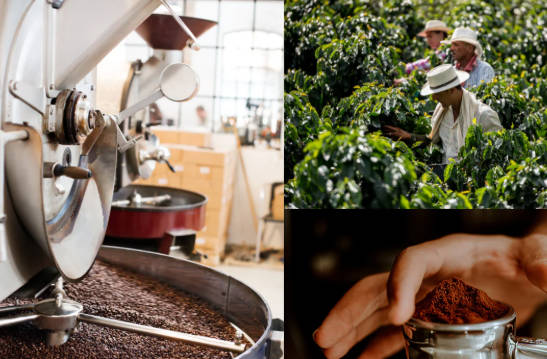
Creating a signature blend that achieves both distinction and consistency represents one of coffee roasting's most challenging endeavors. Unlike single origin coffees where the roaster's role is largely interpretive—revealing what the coffee inherently contains—blend creation is genuinely compositional, requiring decisions about what flavor profile to pursue and which components to combine in achieving it. Having developed signature blends for specialty roasters across different market positions, I share the principles and philosophy that guide successful blend creation.
The foundational question is deceptively simple: what should this blend taste like? Many blend development failures trace to insufficient clarity about the target. A blend cannot be all things simultaneously—extremely bright and extremely full-bodied, intensely fruity and deeply chocolatey. Choosing what to emphasize necessarily means choosing what to subordinate. This prioritization should reflect market positioning, customer preferences, and the roaster's identity rather than attempting generic appeal.
I begin blend development by articulating target profile in specific sensory terms: acidity type and intensity, sweetness character, body weight and texture, aromatic direction, and finish qualities. This articulation becomes the evaluation framework against which trial blends are assessed. Without clear target, development becomes aimless iteration rather than purposeful refinement.
Component selection follows target definition. Each component in a blend should serve specific function in achieving the target profile. A blend seeking bright acidity might include a washed East African component; one seeking full body might include a naturally processed Brazilian. Components should be selected for their contribution to the target rather than their individual excellence—an outstanding single origin coffee may not serve a particular blend if its characteristics conflict with the target.
I evaluate potential components not primarily as individual coffees but as potential contributors to the target profile. A component that seems unremarkable as a single origin might provide exactly the body or sweetness the blend needs. Conversely, a spectacular single origin might introduce characteristics that conflict with the target. This functional evaluation differs from simple quality ranking.
Component compatibility matters beyond individual contribution. Certain coffees combine more harmoniously than others; flavors can complement, enhance, or conflict depending on specific combinations. Predicting compatibility requires experience with how different coffee types interact—experience that develops through systematic blend experimentation over time.
I test compatibility through small-batch trials that isolate two-component interactions before building full blends. Understanding how component A interacts with component B, and how A interacts with component C, provides foundation for predicting how A, B, and C will interact together. This systematic approach is more efficient than random combination testing.
Ratio determination involves finding proportions that produce optimal expression of the target profile. Small ratio changes can significantly affect flavor balance; a blend that performs beautifully at 40/30/30 may disappoint at 45/30/25. Systematic ratio testing—holding two components constant while varying the third—efficiently identifies optimal proportions.
Documentation throughout development creates reference for production and future development. Recording every trial—components, proportions, roast parameters, cupping notes—enables returning to promising directions and avoiding repeated failures. This documentation also provides starting points for future blend development; understanding what worked and why accelerates subsequent projects.
Roast profile development for blends involves decisions about pre-blend versus post-blend roasting. Pre-blending (combining green coffees before roasting) simplifies production but limits profile optimization for individual components. Post-blending (roasting components separately before combining) enables component-specific profiles but increases production complexity. The appropriate approach depends on component characteristics and production capabilities.
I generally recommend post-blending when components have significantly different density, moisture content, or optimal development levels. A high-altitude Ethiopian and a low-altitude Brazilian may require quite different roast approaches to express optimally; pre-blending forces compromise that serves neither well. When components are similar in roast requirements, pre-blending can work effectively with simpler production.
Consistency maintenance presents ongoing challenge. Agricultural products vary season to season and lot to lot; maintaining consistent blend character requires adapting component selection and proportions as inputs change. A blend formula that worked with last year's Brazilian may not produce the same results with this year's crop. Consistent blend character requires flexible formula rather than rigid recipe.
I maintain target profile documentation and reference samples against which current production is evaluated. When production drifts from target, adjustment options include component ratio modification, component substitution, or roast profile adjustment. The goal is consistent consumer experience rather than consistent formula.
Supply chain planning for blend components requires longer-term thinking than single origin sourcing. A blend that depends on components with limited availability risks disruption when those components become unavailable. Identifying alternative components that can substitute without dramatically changing character provides contingency for supply variability.
Quality control for blends involves evaluating against target profile rather than absolute quality metrics. A blend sample might cup well by general standards yet fail if it drifts from the intended character. This target-focused evaluation requires clear reference and disciplined comparison.
My philosophy is that great blends achieve character that no single origin could provide—combinations that create emergent properties exceeding what components contribute individually. The best blends are not merely competent combinations but distinctive creations with their own identity. Achieving this requires both technical skill in execution and creative vision in conception. The signature blend that genuinely merits signature positioning offers something unique rather than merely acceptable—a reason for consumers to seek it specifically rather than accepting any available option.

Sophia Reynolds
Emma Johnson is a coffee expert with years of experience in brewing techniques, coffee culture, and the global coffee industry. She has extensive knowledge of coffee origins, roasting methods, equipment, and preparation practices, and regularly shares insights, guides, and tips to help enthusiasts and beginners enhance their coffee experience.
You Might Also Like
Comments
-
 Reply
ReplySophia Reynolds
Jun 23, 2025, 11:45 am
I’ve been experimenting with different brewing methods for a few months, and this guide really helped me understand the nuances between pour-over and French press. The tips on water temperature and grind size were especially useful. Thanks for sharing such a detailed article!
-
 Reply
ReplyRonda Otoole
Jun 23, 2025, 11:45 am
As a beginner, I often struggle with choosing the right coffee beans. This post broke down the flavor profiles clearly and gave practical advice on selecting beans based on taste preferences. I feel much more confident in my next purchase now.
 Reply
ReplyJames Whitley
Jun 23, 2025, 11:45 am
Loved the section about sustainable coffee practices! It’s great to see articles that not only focus on brewing but also educate readers on ethical sourcing and environmental impact. Definitely inspired me to try beans from local fair-trade roasters.
-
 Reply
ReplyKimberly Chretien
Jun 23, 2025, 11:45 am
I tried some of the latte art tips from this blog, and even though I’m still a beginner, my coffee looks way better now. The step-by-step instructions and real-world examples made it really easy to follow. Can’t wait to try more techniques!
-
 Reply
ReplySophia Reynolds
Jun 23, 2025, 11:45 am
I really appreciate how this post explains coffee concepts in a simple, approachable way. The breakdown of aroma, acidity, and body helped me understand why different coffees taste the way they do. It’s the kind of article I’ll come back to whenever I try a new bean.