
Consumer engagement transforms signature blends from products to experiences, creating emotional connections and loyalty that quality alone cannot generate. Having developed engagement strategies for blend programs across different market contexts, I examine approaches that deepen consumer appreciation and build lasting brand relationships around signature blend offerings.
The engagement opportunity for signature blends differs from single origin offerings. Single origins can leverage origin stories—specific places, specific producers, specific terroir—that provide natural narrative hooks. Blends lack these obvious stories; their engagement potential lies instead in craft narrative, consistent quality promise, and the relationship between the blend and the consumer's daily ritual. Understanding these different engagement levers enables strategy development.
I frame blend engagement around the craft narrative rather than origin narrative. The story is not about where the coffee comes from but about how it was created—the expertise applied, the objectives pursued, the decisions made to achieve intended character. This craft narrative positions the roaster as skilled artisan rather than mere importer, creating engagement through demonstrated expertise rather than borrowed origin authenticity.
Consistency messaging represents a powerful engagement lever for blends. Where single origins change with harvest years and lot variations, blends promise the same experience cup after cup. For consumers seeking reliable daily ritual, this consistency promise creates value that novelty-focused single origin programs cannot match. Emphasizing consistency positions blends as dependable anchors in uncertain worlds.
I communicate consistency commitment explicitly in blend marketing, emphasizing the expertise and effort required to maintain consistent character despite component variation. This messaging resonates with consumers who value reliability; it positions blend purchase as relationship investment rather than transaction. The promise of consistent future experiences creates emotional connection to current purchase.
Educational content builds engagement by helping consumers appreciate complexity they might otherwise miss. Explaining what components contribute, how roasting affects flavor, and what characteristics to notice during tasting transforms passive consumption into active appreciation. Consumers who understand what they are drinking engage more deeply than those who simply consume.
I develop educational content specifically for signature blends, explaining the flavor architecture, component contributions, and craft decisions behind the blend. This content can be delivered through packaging, website, social media, or in-person events—the channel matters less than the educational substance. Informed consumers become advocates who share their understanding with others.
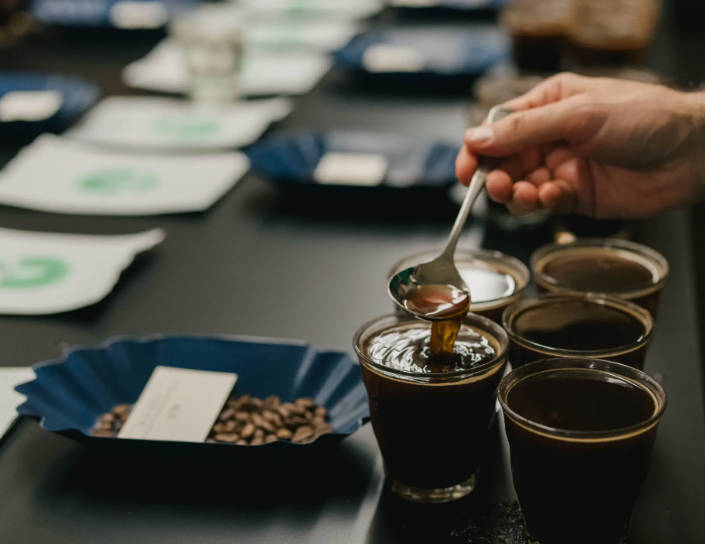
Guided tasting experiences create memorable engagement moments that pure product quality cannot achieve. Whether in-person cuppings, virtual tastings, or structured at-home experiences with guidance materials, tasting events create social connection around the blend and deepen flavor appreciation through focused attention. The experience becomes associated with the product in memory.
I design tasting experiences specifically for signature blend engagement, structuring them to highlight the blend's distinctive characteristics and craft story. Comparative elements—tasting individual components alongside the blend—reveal the transformation blending creates. Social elements—sharing observations with other participants—create community connection. These experiences generate engagement that persists beyond the event itself.
Ritual integration strategies position blends as essential elements of consumers' daily routines. When a blend becomes associated with morning ritual, quiet afternoon moment, or evening wind-down, it gains emotional significance beyond its sensory qualities. This ritual positioning creates habitual engagement that survives competitive alternatives.
I support ritual integration through marketing that depicts blend consumption as meaningful moment rather than mere caffeine intake. Emphasizing the pause, the appreciation, the daily anchor—these framings invite consumers to build rituals around the blend. Once established, ritual associations create powerful loyalty that rational comparison cannot easily disrupt.
Community building creates peer-to-peer engagement that amplifies brand efforts. When blend consumers connect with each other—sharing brewing tips, comparing experiences, advocating to friends—they create engagement that does not depend on brand messaging. Community engagement is more credible than marketing and more persistent than advertising.
I cultivate community through social media engagement, customer events, and platforms that enable consumer connection. Responding to customer posts, featuring customer content, and creating opportunities for customer-to-customer interaction builds community that surrounds the blend. This community becomes an engagement asset that compounds over time.
Feedback loops demonstrate that consumer voices matter, creating engagement through participation. When consumers see their feedback influence blend development or marketing, they develop ownership feelings that deepen connection. This participatory engagement transforms customers from passive recipients to active collaborators.
I implement feedback mechanisms that capture consumer input and visibly respond to it. Survey results that influence blend adjustments, customer suggestions that appear in marketing, testimonials that shape communication—these visible feedback incorporations demonstrate that consumer voices matter. The resulting engagement is qualitatively different from passive consumption.
Loyalty programs create structural engagement through accumulated benefits. Subscription discounts, volume rewards, exclusive access, and recognition programs give consumers rational reasons to maintain engagement alongside emotional connections. Well-designed loyalty programs reinforce engagement habits and increase switching costs.
I develop loyalty programs specifically designed for blend consumers, emphasizing consistency rewards that align with blend positioning. Subscription models that ensure uninterrupted supply, bulk pricing that rewards commitment, exclusive blend variations for loyal customers—these programs align incentives with desired engagement behaviors.
My conclusion from developing blend engagement strategies is that signature blend success depends on engagement investment alongside quality investment. Exceptional blends that fail to generate consumer engagement underperform mediocre blends that successfully create emotional connection. The engagement strategies that work—craft narrative, consistency messaging, educational content, guided experiences, ritual integration, community building, feedback loops, and loyalty programs—require deliberate development and ongoing refinement. Blend programs that invest in engagement create durable competitive advantages that quality alone cannot provide.

Sophia Reynolds
Emma Johnson is a coffee expert with years of experience in brewing techniques, coffee culture, and the global coffee industry. She has extensive knowledge of coffee origins, roasting methods, equipment, and preparation practices, and regularly shares insights, guides, and tips to help enthusiasts and beginners enhance their coffee experience.
You Might Also Like
Comments
-
 Reply
ReplySophia Reynolds
Jun 23, 2025, 11:45 am
I’ve been experimenting with different brewing methods for a few months, and this guide really helped me understand the nuances between pour-over and French press. The tips on water temperature and grind size were especially useful. Thanks for sharing such a detailed article!
-
 Reply
ReplyRonda Otoole
Jun 23, 2025, 11:45 am
As a beginner, I often struggle with choosing the right coffee beans. This post broke down the flavor profiles clearly and gave practical advice on selecting beans based on taste preferences. I feel much more confident in my next purchase now.
 Reply
ReplyJames Whitley
Jun 23, 2025, 11:45 am
Loved the section about sustainable coffee practices! It’s great to see articles that not only focus on brewing but also educate readers on ethical sourcing and environmental impact. Definitely inspired me to try beans from local fair-trade roasters.
-
 Reply
ReplyKimberly Chretien
Jun 23, 2025, 11:45 am
I tried some of the latte art tips from this blog, and even though I’m still a beginner, my coffee looks way better now. The step-by-step instructions and real-world examples made it really easy to follow. Can’t wait to try more techniques!
-
 Reply
ReplySophia Reynolds
Jun 23, 2025, 11:45 am
I really appreciate how this post explains coffee concepts in a simple, approachable way. The breakdown of aroma, acidity, and body helped me understand why different coffees taste the way they do. It’s the kind of article I’ll come back to whenever I try a new bean.