
Consumer education transforms signature blend appreciation from passive consumption to engaged experience, creating deeper satisfaction and stronger brand loyalty. Having developed education programs for blend consumers across diverse contexts, I examine the approaches that effectively build appreciation while respecting consumer autonomy and avoiding condescension.
The education opportunity for blends involves explaining craft that is not immediately apparent. Single origin education can point to geography, producer stories, and terroir—visible, tangible elements. Blend education must explain invisible craft—the decisions, expertise, and technique that created something from multiple somethings. This craft visibility challenge requires different educational approaches.
I frame blend education around the transformation story—how separate components become unified experience through deliberate craft. This narrative positions blending as value creation rather than mere combination, helping consumers appreciate what expertise contributed. The transformation frame elevates perception of blend value.
Taste vocabulary development enables consumers to perceive and articulate blend characteristics they would otherwise experience vaguely. Teaching consumers to recognize acidity, body, sweetness, and specific flavor notes provides tools for conscious appreciation. This vocabulary is not jargon imposition but perception enablement.
I develop taste vocabulary appropriate to consumer context—accessible terms for general audiences, more technical vocabulary for enthusiast audiences. The vocabulary should enable perception, not demonstrate expertise. Consumer-appropriate vocabulary choices respect audience and serve educational objectives.
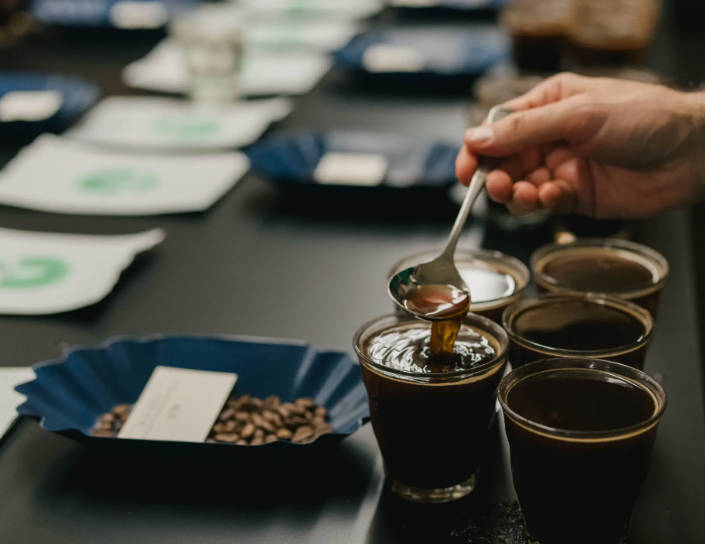
Comparative tasting exercises reveal blend characteristics through contrast. Tasting blend components individually, then tasting the blend, demonstrates what combination creates. Tasting blends against single origins highlights what blending achieves differently. These comparisons make abstract concepts concrete.
I structure comparative tastings with clear educational objectives—what should participants perceive differently after this comparison? This clarity focuses tasting attention and enables learning verification. Aimless comparison produces confusion; focused comparison produces insight.
Brewing guidance helps consumers achieve blend potential in their own preparation. A well-crafted blend underperforms if poorly brewed; education that improves brewing improves blend experience. This practical guidance creates immediate value that builds educational relationship.
I provide brewing recommendations specific to each blend's characteristics—grind settings, water temperatures, brew ratios, and timing that optimize the specific blend. Generic brewing advice misses opportunity; blend-specific guidance demonstrates expertise while improving consumer experience.
Story context creates emotional engagement alongside sensory appreciation. Understanding why a blend was created, what it aims to achieve, and what challenges it overcomes creates narrative connection that pure sensory description cannot. Story context transforms tasting from analysis to experience.
I develop blend stories that are authentic, specific, and emotionally engaging. Generic quality claims fail to connect; specific stories about decisions, challenges, and aspirations create relationship. The story should be true—fabricated narratives eventually undermine credibility.
Interactive formats engage consumers more effectively than passive presentation. Guided tastings, Q&A sessions, workshop activities, and hands-on brewing create involvement that lectures cannot achieve. Active participation improves learning and creates memorable experiences.
I design educational experiences with interaction built in—moments where consumers taste, describe, compare, and question rather than simply receive information. This interaction orientation ensures engagement; passive audiences learn less and connect less than active participants.
Multi-channel delivery reaches consumers through their preferred information sources. In-person events work for some; digital content works for others; packaging information reaches those who seek neither events nor online content. Comprehensive education strategy utilizes multiple channels.
I develop educational content across channels—event curricula, website content, video materials, social media posts, and packaging information—with appropriate adaptation for each medium. This multi-channel approach ensures that education reaches consumers however they prefer to receive it.
Repeat exposure builds understanding that single interactions cannot achieve. Consumer education is not a moment but a relationship—ongoing communication that deepens appreciation over time. Education strategy should include ongoing touchpoints, not just initial introduction.
I plan education as ongoing program rather than one-time event. Follow-up communications, seasonal updates, new release education, and community engagement maintain educational relationship. This ongoing approach builds deeper appreciation than isolated educational moments.
Respect for consumer autonomy acknowledges that not all consumers want education and that educated consumers may still prefer differently than experts. Education should empower choice, not impose preference. Consumers who taste educated and still prefer different characteristics deserve respect for their preferences.
I frame education as offering rather than obligation, making educational opportunities available without pressuring participation. When consumers engage, I respect their conclusions even when they differ from expert preferences. This respect orientation builds trust; imposition orientation alienates.
My conclusion from developing blend education programs is that effective consumer education creates value for both consumers and brands. Consumers gain appreciation capability and satisfaction enhancement; brands gain loyalty, advocacy, and willingness to pay for quality. The education approaches that work—craft narrative, vocabulary development, comparative tasting, brewing guidance, story context, interactive formats, multi-channel delivery, ongoing engagement, and respect for autonomy—require investment but produce returns that justify their cost. Blend programs that invest in consumer education build relationships that transcend transactions.

Sophia Reynolds
Emma Johnson is a coffee expert with years of experience in brewing techniques, coffee culture, and the global coffee industry. She has extensive knowledge of coffee origins, roasting methods, equipment, and preparation practices, and regularly shares insights, guides, and tips to help enthusiasts and beginners enhance their coffee experience.
You Might Also Like
Comments
-
 Reply
ReplySophia Reynolds
Jun 23, 2025, 11:45 am
I’ve been experimenting with different brewing methods for a few months, and this guide really helped me understand the nuances between pour-over and French press. The tips on water temperature and grind size were especially useful. Thanks for sharing such a detailed article!
-
 Reply
ReplyRonda Otoole
Jun 23, 2025, 11:45 am
As a beginner, I often struggle with choosing the right coffee beans. This post broke down the flavor profiles clearly and gave practical advice on selecting beans based on taste preferences. I feel much more confident in my next purchase now.
 Reply
ReplyJames Whitley
Jun 23, 2025, 11:45 am
Loved the section about sustainable coffee practices! It’s great to see articles that not only focus on brewing but also educate readers on ethical sourcing and environmental impact. Definitely inspired me to try beans from local fair-trade roasters.
-
 Reply
ReplyKimberly Chretien
Jun 23, 2025, 11:45 am
I tried some of the latte art tips from this blog, and even though I’m still a beginner, my coffee looks way better now. The step-by-step instructions and real-world examples made it really easy to follow. Can’t wait to try more techniques!
-
 Reply
ReplySophia Reynolds
Jun 23, 2025, 11:45 am
I really appreciate how this post explains coffee concepts in a simple, approachable way. The breakdown of aroma, acidity, and body helped me understand why different coffees taste the way they do. It’s the kind of article I’ll come back to whenever I try a new bean.