

Comprehensive Best Practices for Single Origin Coffee Sourcing
December 15, 2025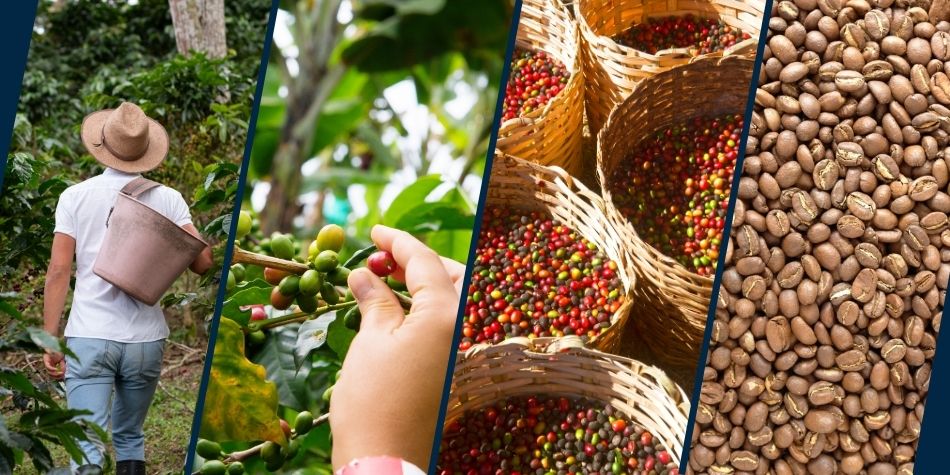
Single origin sourcing at a professional level integrates quality evaluation, supply chain management, relationship building, and commercial judgment into coherent practice. Having developed and managed sourcing programs across multiple contexts, I have distilled best practices that consistently produce superior results. This comprehensive guide synthesizes these practices into actionable framework for buyers seeking to build or improve their single origin programs.
Strategic clarity must precede tactical execution. Before evaluating any specific coffee, define what your sourcing program needs to accomplish. What quality tier are you targeting? What price points can your market support? What story elements enhance your positioning? What volume do you need, and what supply consistency does your operation require? Answers to these questions establish evaluation criteria that focus effort on coffees that could actually work rather than wasting time on those that cannot.
I develop written sourcing strategies that document target profiles, price parameters, volume needs, and relationship priorities. These documents provide consistent framework across evaluation sessions and enable team alignment when multiple people participate in sourcing decisions. Strategy revision occurs annually or when business circumstances change significantly—not reactively in response to individual opportunities.
Supplier portfolio development builds the infrastructure for quality sourcing. Rather than approaching sourcing as a series of isolated transactions, develop ongoing relationships with importers, exporters, and producers whose values, capabilities, and offerings align with your needs. These relationships provide preferential access to limited coffees, better pricing through commitment, and quality assurance through accumulated trust.
I maintain active relationships with a core group of suppliers who understand my quality expectations and proactively offer coffees matching my needs. These relationships developed over years through consistent purchasing, honest feedback, and mutual commitment to long-term partnership. The coffees I access through these relationships exceed what I could find through spot-market shopping.
Sample evaluation protocols structure quality assessment for consistency and efficiency. Establish standard cupping procedures aligned with industry norms (SCA protocols provide solid foundation); apply these procedures consistently across all samples; document results in formats that enable comparison. The evaluation should answer specific questions: Does this coffee meet our quality threshold? Does it fill a specific need in our lineup? Does the price-quality relationship justify purchase?
I evaluate samples against reference coffees that represent our quality standard. A new sample compared to current offerings reveals whether it would improve, maintain, or diminish our quality positioning. This comparative evaluation provides clearer guidance than absolute scoring alone.
Beyond cupping score, evaluate fit with program needs. A technically excellent coffee that duplicates something you already offer provides less value than a slightly lower-scoring coffee that fills a lineup gap. Consider brewing application—will this coffee perform well in the formats your customers use? Consider seasonality—will quality hold across the timeframe you need to sell the purchased volume? Consider story—does this coffee's origin, producer, or processing provide narrative elements that support your marketing?
Production testing extends evaluation beyond cupping. The sample roast that revealed quality in cupping may not predict production roast performance. Before committing to significant purchases, conduct test roasts at production parameters and evaluate results through your normal quality control process. Some coffees that cup beautifully prove difficult to roast consistently; discovering this before purchasing prevents expensive mistakes.
Commercial analysis must validate sensory enthusiasm. Calculate landed cost including green price, shipping, duties, and any financing costs. Project retail pricing based on your margin requirements. Assess whether that price aligns with the coffee's quality positioning and your customers' willingness to pay. Exceptional coffees that cannot be sold profitably do not serve commercial sourcing programs.
I maintain costing models that translate green coffee offers into projected retail prices, enabling quick assessment of commercial viability. This discipline prevents acquiring coffees that seem exciting but prove impossible to sell at prices that work.
Contract terms deserve careful attention. Understand payment terms, shipping arrangements, quality guarantee provisions, and contingencies for problems. Establish clear expectations about sample accuracy—the production lot should match the pre-shipment sample within acceptable tolerance. Define procedures for addressing quality disputes.
Documentation creates institutional memory that improves sourcing over time. Record every sample evaluated, including those rejected, with quality notes and decision rationale. Track supplier performance across transactions. Document pricing and terms to inform future negotiations. This accumulated information enables pattern identification and continuous improvement.
Relationship investment distinguishes transactional purchasing from partnership-based sourcing. Visit origin when possible; understand producer circumstances and challenges; provide feedback that helps suppliers improve; honor commitments even when circumstances change. These investments produce benefits—preferential access, better quality, favorable terms—that purely transactional approaches cannot access.
I allocate budget specifically for relationship development: origin travel, sample coffees for feedback, communication infrastructure. These investments generate returns that exceed their costs through improved access and quality.
Risk management addresses the uncertainties inherent in agricultural sourcing. Diversify across multiple suppliers to avoid dependency that exposes you to single-source failure. Stage purchases across the season rather than committing entire volume early. Maintain contingency options for supply disruption. These practices provide resilience that enables sustained program quality.
Quality verification continues through the supply chain. Verify that arriving lots match approved samples. Monitor storage conditions to prevent degradation. Track quality evolution through production and selling periods. This ongoing verification catches problems before they reach customers.
My conclusion from years of professional sourcing is that excellence results from systematic application of sound practices rather than from exceptional individual decisions. The buyers who consistently source outstanding single origin coffees are those who develop strategic clarity, build supplier relationships, apply disciplined evaluation protocols, validate commercial viability, document thoroughly, invest in relationships, and manage risk systematically. These practices are learnable and improvable; their consistent application produces results that unsystematic approaches cannot match.

Daniel Carter
Emma Johnson is a coffee expert with years of experience in brewing techniques, coffee culture, and the global coffee industry. She has extensive knowledge of coffee origins, roasting methods, equipment, and preparation practices, and regularly shares insights, guides, and tips to help enthusiasts and beginners enhance their coffee experience.
You Might Also Like
Comments
-
 Reply
ReplyDaniel Carter
Jun 23, 2025, 11:45 am
I’ve been experimenting with different brewing methods for a few months, and this guide really helped me understand the nuances between pour-over and French press. The tips on water temperature and grind size were especially useful. Thanks for sharing such a detailed article!
-
 Reply
ReplyRonda Otoole
Jun 23, 2025, 11:45 am
As a beginner, I often struggle with choosing the right coffee beans. This post broke down the flavor profiles clearly and gave practical advice on selecting beans based on taste preferences. I feel much more confident in my next purchase now.
 Reply
ReplyJames Whitley
Jun 23, 2025, 11:45 am
Loved the section about sustainable coffee practices! It’s great to see articles that not only focus on brewing but also educate readers on ethical sourcing and environmental impact. Definitely inspired me to try beans from local fair-trade roasters.
-
 Reply
ReplyKimberly Chretien
Jun 23, 2025, 11:45 am
I tried some of the latte art tips from this blog, and even though I’m still a beginner, my coffee looks way better now. The step-by-step instructions and real-world examples made it really easy to follow. Can’t wait to try more techniques!
-
 Reply
ReplyDaniel Carter
Jun 23, 2025, 11:45 am
I really appreciate how this post explains coffee concepts in a simple, approachable way. The breakdown of aroma, acidity, and body helped me understand why different coffees taste the way they do. It’s the kind of article I’ll come back to whenever I try a new bean.